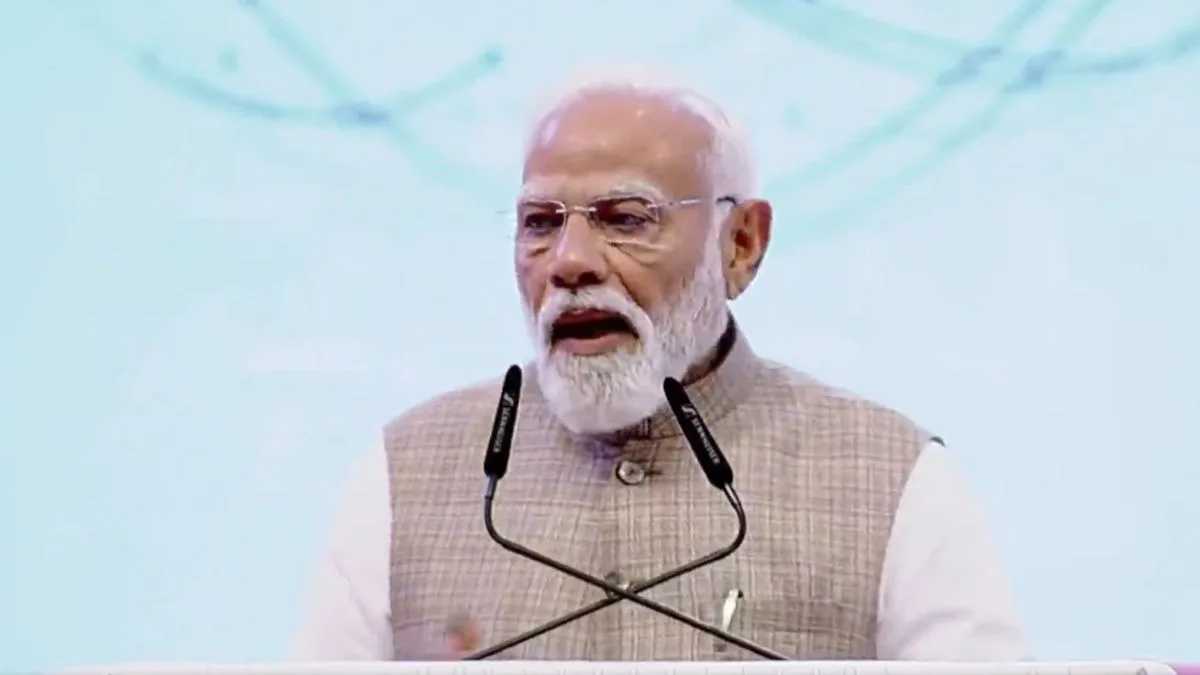
Prime Minister Narendra Modi on Tuesday briefed the Rajya Sabha that the ongoing conflict in West Asia has triggered a “serious energy crisis” globally and could have long-term consequences, even as he assured that India has sufficient crude oil reserves and is taking urgent steps to secure supplies and protect its citizens.
Speaking during the ongoing Budget Session of Parliament, Modi said the war, now in its fourth week, has begun disrupting critical trade routes and the supply of essential commodities such as petrol, diesel, gas and fertilisers. “This war is affecting our trade routes. The regular supply of essential commodities… is being disrupted,” he said, adding that the situation is “a matter of concern for India.”
Advertisement
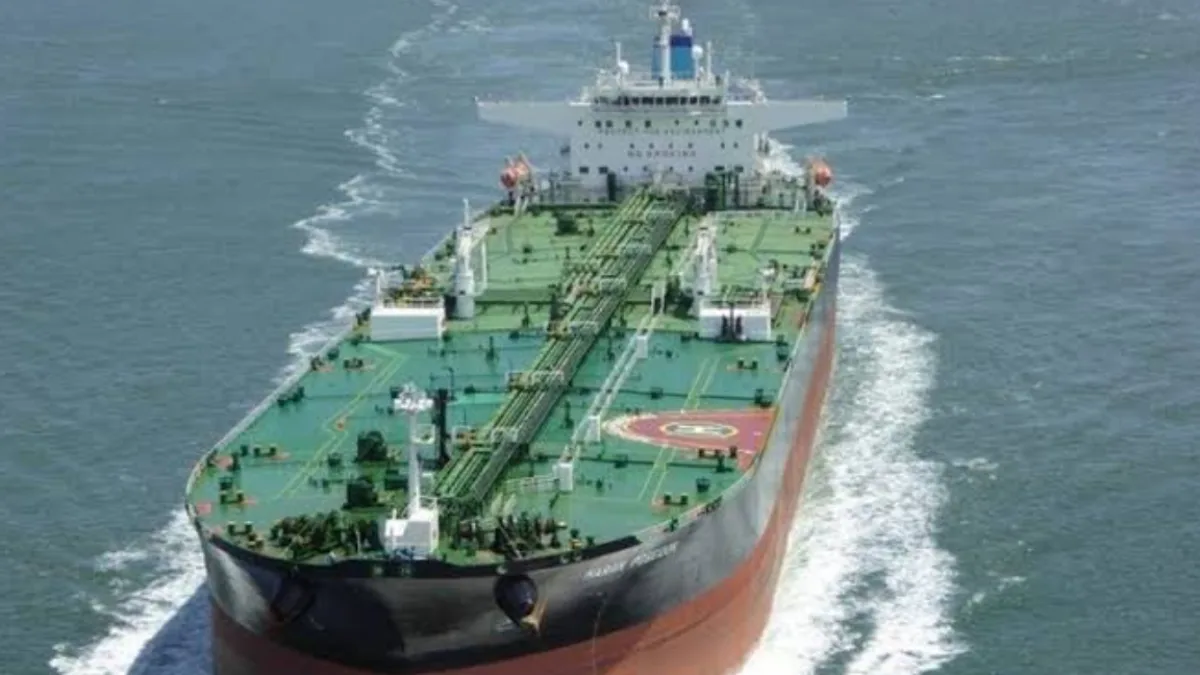
The Prime Minister underscored the strategic importance of the Strait of Hormuz, where shipping disruptions have intensified amid escalating hostilities involving Iran, Israel and the United States. The narrow maritime corridor, which carries roughly a fifth of the world’s crude oil, has seen multiple vessels stranded, including ships with Indian crew members on board.
“Many ships from around the world are stranded… and a large number of Indian crew members are on them. This is a significant concern for India,” Modi said, while stressing that attacks on commercial shipping and disruptions in international waterways are “unacceptable.”
With nearly 10 million Indians living and working across Gulf nations, the Prime Minister said safeguarding their lives and livelihoods remains a top priority. He revealed that more than 375,000 Indians have already been brought back safely since the conflict began, including over 1,000 evacuated from Iran alone. “The safety of Indians, both at home and abroad, is our top priority in times of crisis,” he said, while acknowledging that some Indian nationals have lost their lives in the violence.
Modi said India is actively pursuing diplomatic engagement to de-escalate tensions, holding multiple rounds of talks with leaders across West Asia and maintaining constant contact with Gulf countries as well as Iran, Israel and the United States. “Our goal is to restore peace in the region through dialogue and diplomacy,” he said, adding that India has pushed for reopening the Strait of Hormuz and ensuring safe maritime movement.
Even as the crisis continues to roil global energy markets, the Prime Minister sought to reassure the country on fuel security. “India has sufficient crude oil storage and arrangements for continuous supply,” he said, pointing to expanded energy sourcing. According to Modi, India now imports energy from 41 countries, up from 27 a decade ago, as part of a strategy to reduce dependence on any single region.
The government has also built strategic petroleum reserves exceeding 5.3 million metric tonnes and is working to expand them further, alongside boosting refining capacity and domestic gas production. “If the global conditions created by this war persist for a long time, serious consequences are inevitable,” Modi cautioned, while emphasising the need to accelerate resilience measures.
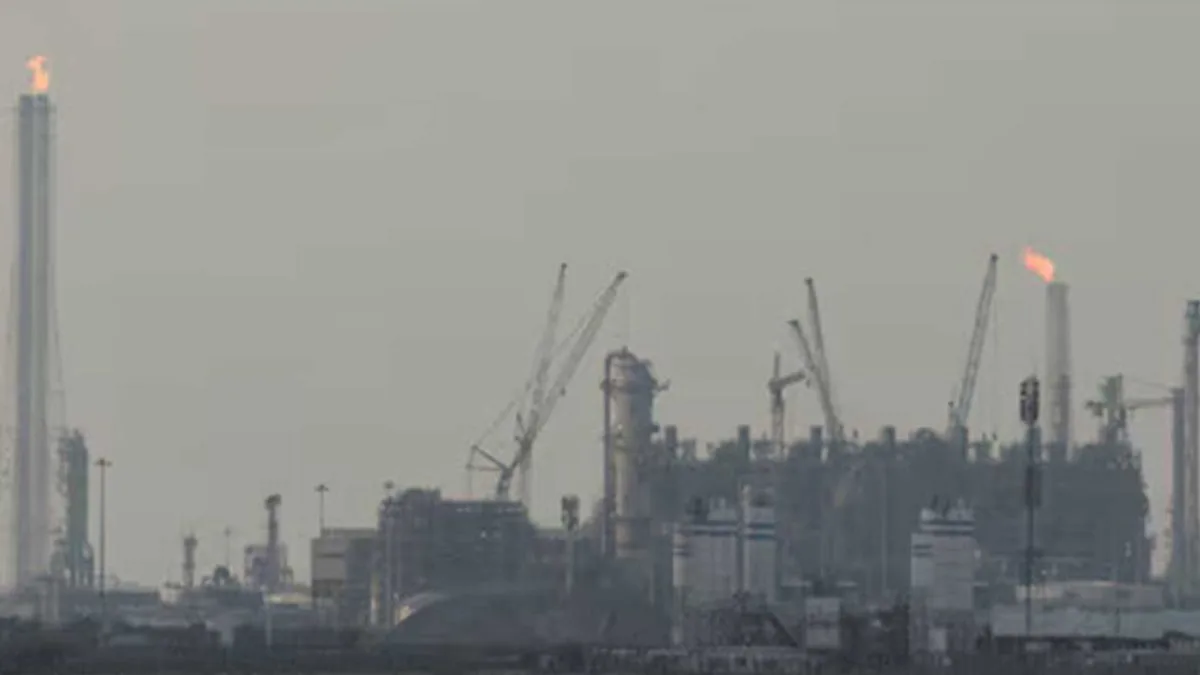
The address comes amid heightened geopolitical tensions following the outbreak of hostilities in late February, when Iran retaliated against US-Israeli actions, leading to disruptions in shipping lanes and energy infrastructure across the region. The resulting uncertainty has rattled global markets and raised fears of prolonged supply shocks.
To manage the fallout, the government has set up an inter-ministerial group and seven empowered groups to monitor supply chains, fuel availability, fertilisers and inflation. Modi said these bodies are working on “short-term, medium-term and long-term strategies” to mitigate the impact on the Indian economy, whose “fundamentals remain strong.”
He also highlighted efforts to shield vulnerable sections, directing states to ensure uninterrupted delivery of welfare schemes such as food distribution under government programmes and to act strictly against hoarding and black marketing. “During times of crisis, the poor, workers and migrant labourers are most affected,” he said.
Drawing parallels with the coordinated response during the COVID-19 pandemic, Modi called for a unified “Team India” approach between the Centre and states. “This is a major test… we must continue working with the same spirit,” he said.
On the domestic front, the Prime Minister stressed the importance of long-term self-reliance, including a Rs 70,000 crore push for indigenous shipbuilding, reducing dependence on foreign vessels that currently transport over 90% of India’s oil. He also cited progress in defence manufacturing, pharmaceutical raw materials and rare earth minerals as part of a broader push towards economic resilience.
As the conflict continues to evolve rapidly, Modi urged citizens to remain prepared. “There is a strong possibility that the effects of this war will last for a long time,” he said, while assuring that the government remains “alert, proactive and working with full seriousness.”
“The welfare of the people of the country is our top priority. This is our identity, and this is our strength,” he said.