From India’s 7.7% growth to Skyroot’s success: 10 key takeaways from PM Modi’s Monsoon Session address
From India's 7.7% growth to Parliament debates and Skyroot's young team, here are the 10 biggest takeaways from PM Modi's Monsoon Session address.
The Budget comes at a time when India remains one of the fastest-growing major economies, even as global growth moderates due to geopolitical uncertainties, tight financial conditions and slowing demand in key markets.




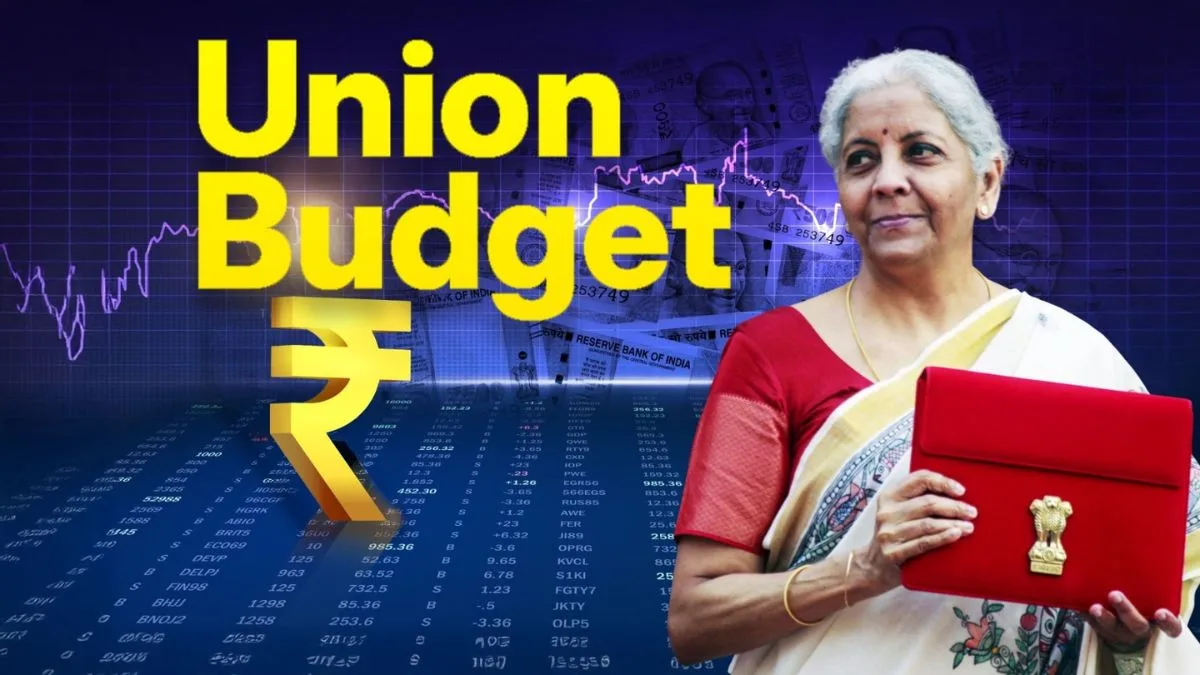
Representational Image (IANS)
As the Union Budget 2026 is set to be presented in Parliament on Sunday, expectations are high that the government will strike a careful balance between sustaining economic growth, generating employment and maintaining fiscal discipline amid a challenging global environment.
Economists believe that Union Finance Minister Nirmala Sitharaman is expected to build on recent reforms while addressing domestic priorities, such as boosting consumption, supporting capital expenditure, and strengthening the manufacturing and services sectors.
Advertisement
The Budget comes at a time when India remains one of the fastest-growing major economies, even as global growth moderates due to geopolitical uncertainties, tight financial conditions and slowing demand in key markets.
Advertisement
Ahead of the Union Budget, the Halwa ceremony, which marks the final stage of the preparation process for Union Budget 2026-27, was held on 27 January in the Budget Press at North Block.
The Economic Survey 2026 was also tabled in Parliament on 29 January. As per the Economic Survey, the Indian economy is expected to expand by 6.8-7.2 per cent in FY27, supported by strong macro fundamentals and a series of regulatory reforms.
It also noted that India’s core and headline inflation rates are likely to be higher in FY27 than in FY26. As of November 2025, India’s fiscal deficit stood at 62.3 per cent of the Budget Estimates, and the government aims to attain a fiscal deficit target of 4.4 per cent of GDP by FY26, the survey noted.
Fiscal consolidation also remains a cornerstone of the Budget as economists have believed the government will continue its glide path towards reducing the fiscal deficit, supported by buoyant tax collections and higher dividend payouts from public sector enterprises, while protecting capital spending on infrastructure.
Economists highlighted that the key sectors to look out for will include railways, infrastructure, urban development, manufacturing, auto, defence, electronics, MSME, renewable energy, AI, healthcare, tourism, agriculture, and logistics, among others.
Measures are also anticipated for labour-intensive sectors such as manufacturing, construction, textiles and MSMEs.
Expectations are also higher on measures to improve farm incomes, enhance irrigation and storage infrastructure, and expand support for allied activities such as dairy and fisheries. Economists say a stronger rural push could help revive consumption demand.
One of the key highlights in last year’s Budget 2025 was a mega boost to Indian taxpayers by cutting income tax on earnings up to Rs 12 lakh, benefitting millions of middle-class taxpayers.
For this year’s budget, middle-class citizens are eyeing some relief in rising prices of essentials such as food, fuel, and cooking gas, as well as better supply management, reduced indirect taxes, and stronger public distribution systems.
A report by the State Bank of India (SBI) has mentioned that the central government should announce reforms across taxation, insurance and pension sectors to boost household financial savings, reduce compliance challenges and improve social security coverage in the country.
Further, incentives for electric mobility, energy storage, green hydrogen, and climate-resilient infrastructure will also be highly anticipated as they will support the transition to a low-carbon economy while creating new economic opportunities.
Finance Minister Sitharaman will present the Budget 2026 at 11 AM in the Lok Sabha.
Advertisement