The Haryana government has undertaken sweeping upgrades to its state and regional Forensic Science Laboratory (FSL) infrastructure, positioning the state as a national leader in capacity, efficiency, and scientific accuracy.
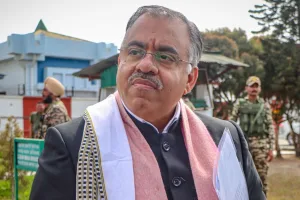
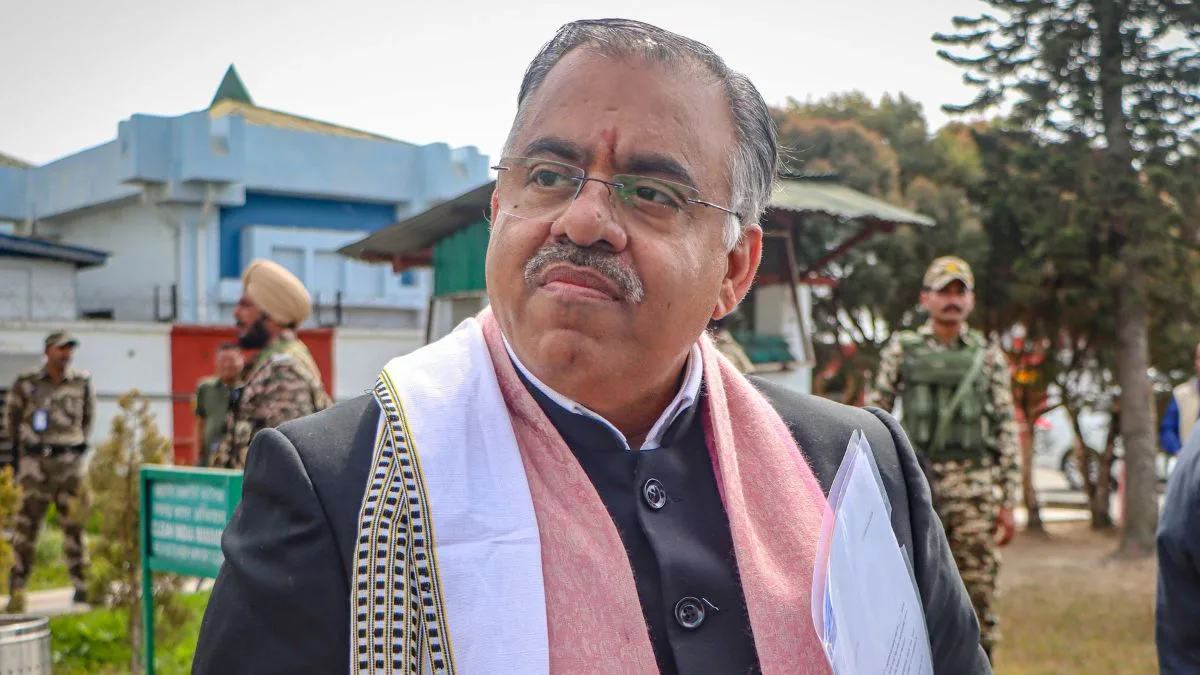
Additional Chief Secretary, Home Department, Sumita Misra, said that Haryana’s FSL has drastically reduced its backlog of Narcotic Drugs and Psychotropic Substances (NDPS) cases. The laboratory is now processing cases faster than new ones are being submitted, placing the state on track to achieve zero pending cases by September 2025, a feat rarely accomplished by forensic labs in India.
Advertisement
Dr Misra attributed this turnaround to a visionary overhaul of the forensic ecosystem, driven by enhanced manpower, robust infrastructure, and cutting-edge technology. The average monthly disposal rate has surged by 49 per cent, from 1,526 cases in 2023 to 2,273 in 2025, despite a record-high case inflow following the enforcement of the new criminal laws.
One of the most notable improvements has been in NDPS cases, where suspects often remain in custody until the FSL report is submitted to court. In just six months, the NDPS backlog has been cut by 70 per cent —from 2,306 to 683 cases—while reporting time has been reduced to 3–4 weeks for most cases and just 15 days for commercial quantity cases. This acceleration ensures speedier trials, quicker bail decisions, and justice delivered when it matters most.
According to Dr Misra, a 70.7 per cent increase in sanctioned strength and a doubling of posted staff have been pivotal to this progress. Recruitment is underway for 22 Senior Scientific Assistants and 17 Scientific Assistants via the Haryana Staff Selection Commission (HSSC), and 47 Group A & B scientific posts through the Haryana Public Service Commission (HPSC).
The Cyber Forensic Division has expanded from one to six reporting officers, with 24 more under recruitment, sharply boosting the state’s capacity to tackle digital evidence in cybercrime, financial fraud, and online abuse cases.
To strengthen frontline response, Haryana has proposed 17 additional Mobile Forensic Science Units (MFSUs), a 150 per cent boost in Scene of Crime (SOC) capacity. Currently, 23 MFSUs operate across the state. These mobile labs will reach crime scenes directly, enabling rapid evidence collection, contamination-free transport, and on-site preliminary analysis, critical in cases of homicide, sexual assault, and major accidents.
Dr Misra also highlighted significant infrastructure and technology enhancements. A new Regional FSL in Gurugram with a dedicated DNA analysis facility is being set up to handle sexual assault and unidentified body cases.
In Hisar, an additional block has been sanctioned for the Regional FSL, and its new Ballistics Unit, operational since May 2025, is already expediting firearm-related investigations. At Moginand FSL in Panchkula, a new Physics Division will handle complex technical cases for the Anti-Corruption Bureau.
To boost speed and accuracy, Haryana has invested ₹14.55 crore in advanced forensic equipment, including three GC-MS units for drug analysis, three comparison microscopes for ballistics, and state-of-the-art DNA sequencers with automated extraction systems.
The FSL has also deployed four Mobile Forensic Vans equipped with FTA card systems for secure, on-site sample collection. An additional ₹3 crore worth of instruments is in the final stages of procurement.
Dr Misra emphasized that Haryana’s forensic reform is about more than numbers but is about restoring public trust in justice through science-led, time-bound investigations. With a zero-backlog target in sight and a plan to maintain pendency below one month thereafter, Haryana is setting a new national benchmark in forensic governance.