Rekha Gupta seeks suggestions from university students for Delhi budget
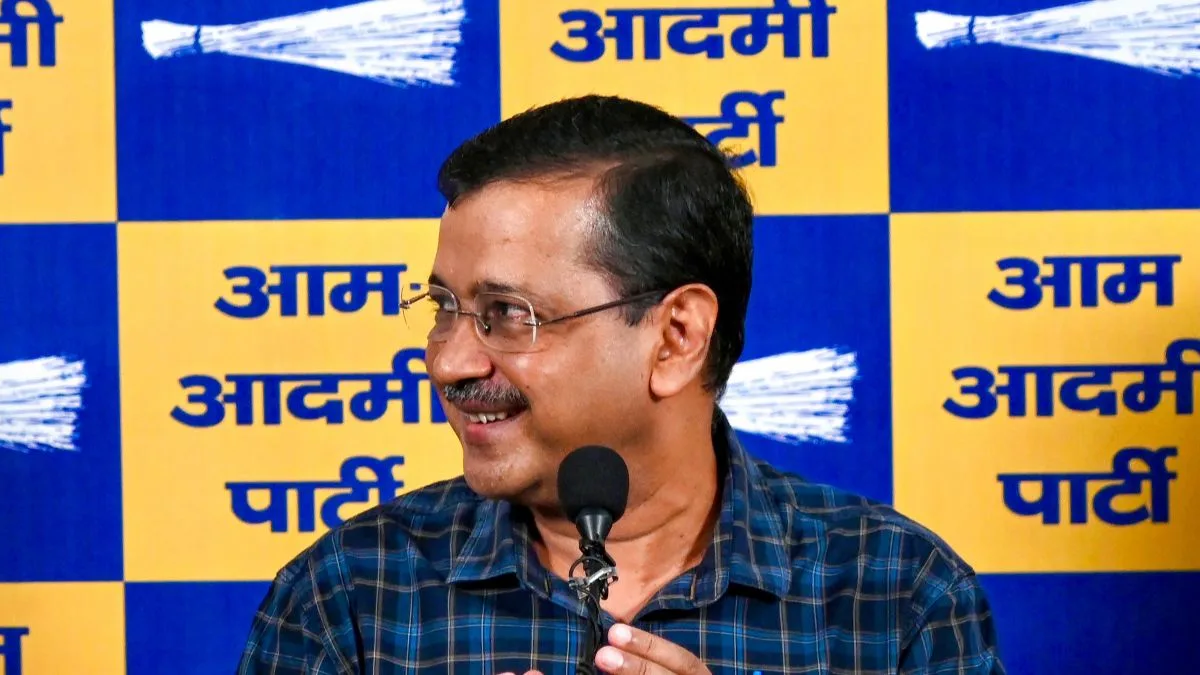
Delhi Chief Minister Rekha Gupta on Monday reached out to college students, especially girls, for their inputs on the upcoming budget for the national capital.
In a move that connects academic spaces with ground-level governance, the East Singhbhum district administration has launched a survey to assess the social and economic conditions of Particularly Vulnerable Tribal Groups (PVTGs) under Project Utthan.





Photo: SNS
In a move that connects academic spaces with ground-level governance, the East Singhbhum district administration has launched a survey to assess the social and economic conditions of Particularly Vulnerable Tribal Groups (PVTGs) under Project Utthan. But this is more than just data collection — it’s a step toward listening to voices that are often distant from the policy discourse.
What makes this initiative distinctive is the participation of 104 students from Jamshedpur Women’s University, forming 18 field teams. These students, from departments such as Economics, Political Science, Geography, and History, will visit various blocks of the district and meet PVTG families face-to-face. They will document access to government schemes, living conditions, and immediate needs — not from afar, but by engaging directly with communities.
Advertisement
A workshop was held at the university auditorium on Tuesday to orient the participants. Deputy Commissioner Karn Satyarthi and Deputy Development Commissioner Nagendra Paswan addressed the gathering, alongside District Planning Officer Mrityunjay Kumar and all Block Development Officers.
Advertisement
“You are not just students — you are citizens,” the Deputy Commissioner told the gathering. “What you see and hear during this survey should be reported truthfully. Only then can we build plans that reflect actual needs.”
He added that the government no longer labels these communities as “primitive” but recognises them as “vulnerable,” requiring focused support. “Don’t walk away from problems you observe,” he said. “Understand them and record them. That is the goal of this entire exercise.”
The DDC said the survey is designed to determine whether government schemes have actually reached the identified villages and families. “We need to collect factual information before making decisions. This is a way to plan based on reality, not assumptions,” he said.
For many students, this will be their first experience of walking into tribal hamlets, interacting with families, and documenting stories beyond textbooks.
The initiative aims to not only gather data but also build mutual awareness between institutions and communities. While the survey’s primary goal is program planning, it also gives young people an opportunity to connect with regions and realities often excluded from mainstream discourse.
When students knock on doors in remote settlements, they will not just ask questions — they will also listen. And sometimes, listening is the first step toward meaningful change.
Advertisement