1 / 11
2 / 11
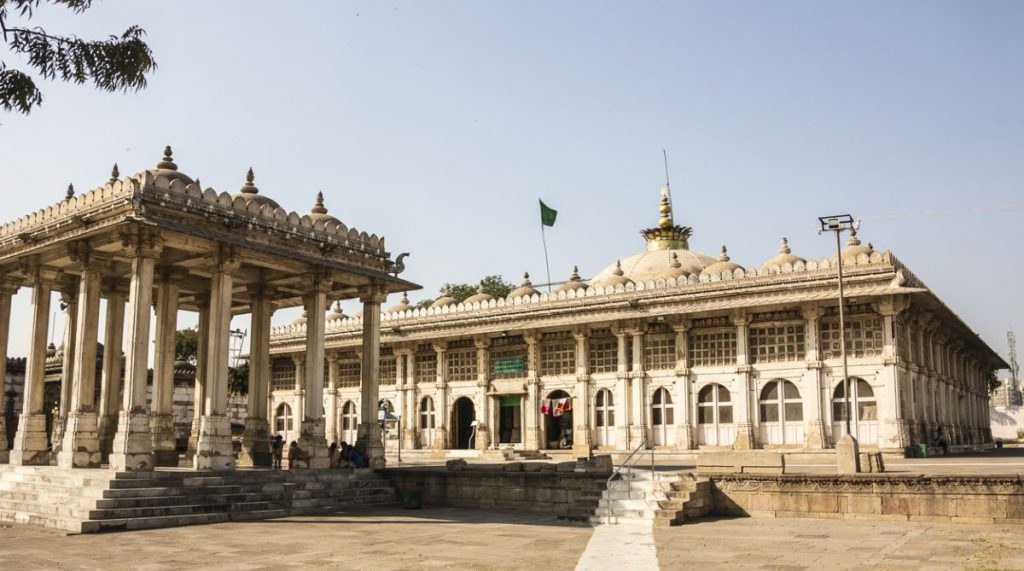
The walled city of Ahmedabad on the eastern bank of the Sabarmati river was granted the World Unesco Heritage Site tag in 2017. Founded by Sultan Ahmad Shah in the 15th century, the city presents a rich architectural heritage from the sultanate period. The Bhadra citadel, the walls and gates of the Fort city and its innumerable mosques and tombs, besides Hindu and Jain temples of later periods make the city a worthy claimant to the prestigious tag. (Photo: Getty Images)
3 / 11
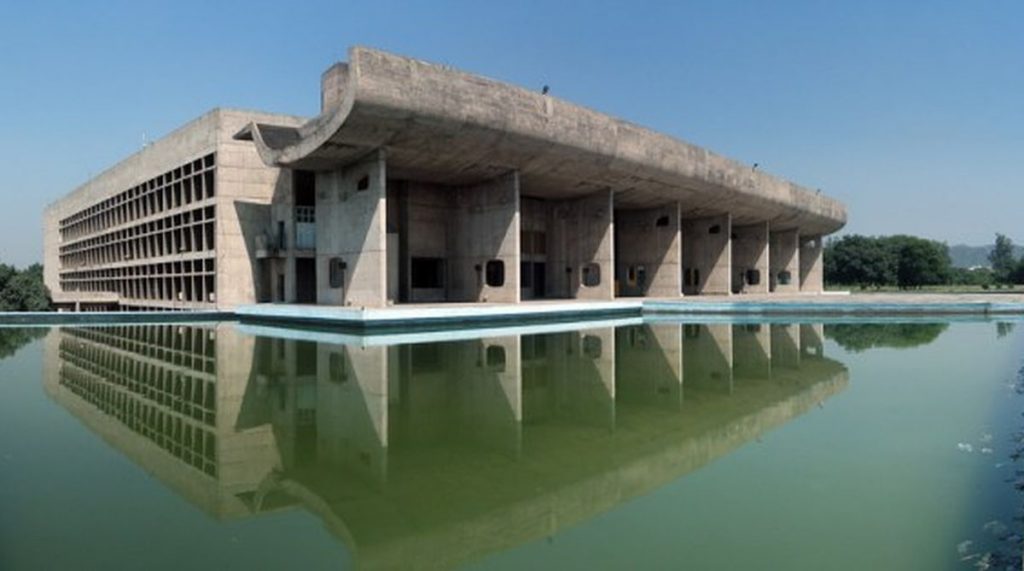
The Capitol Complex of buildings in Chandigarh, one of the architectural works of Le Corbusier, got the UNESCO World Heritage Site status in 2016. It was part of the transnational serial nomination of 17 sites -- all designed by the Swiss-French architect across three continents and seven countries -- presented before the World Heritage Committee. The Capitol Complex includes the Punjab and Haryana High Court building, the Assembly, the Secretariat, and the signature Open Hand Monument. (Photo:Twitter/Alex Curylo)
4 / 11
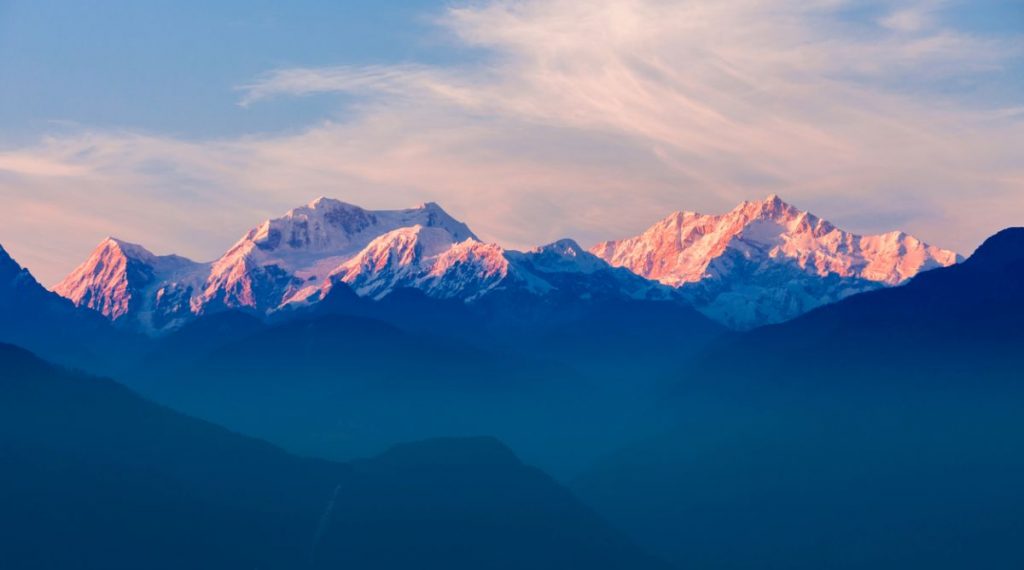
The Khangchendzonga National Park, located at the heart of the Himalayan range in Sikkim, was awarded the World Heritage Site status in 2016. The park includes a diversity of plains, valleys, lakes, snow-capped mountains covered with ancient forests, glaciers and also Mount Khangchendzonga, the world’s third highest peak. (Photo: Getty Images)
5 / 11
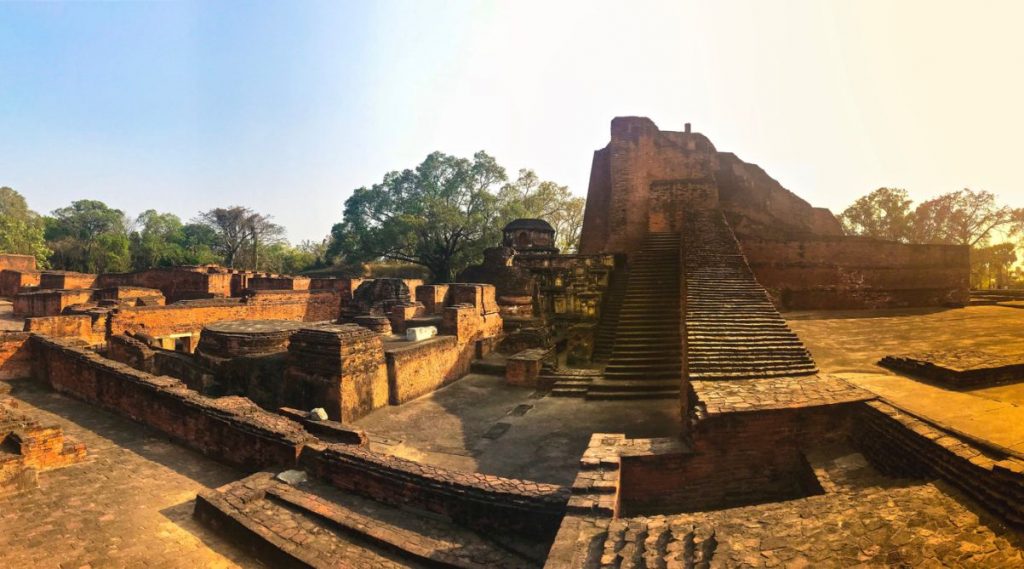
The Nalanda Mahavihara in Bihar was the third site to get the World Heritage Site status in 2016. The ancient Nalanda Mahavihara site, comprising the archaeological remains of a monastic and scholastic institution that flourished between 5th century BC and 13th century AD, was witness to Buddhism developing into a religion. Its stupas, shrines, residential and educational buildings, art works in stucco, stone and metal, all stood testimony to a glorious history unfolding until invaders under Bakhtiyar Khalji burnt it down in 1193. According to historians, the library of Nalanda Mahavihara was so vast that it apparently burnt for three months. (Photo: Getty Images)
6 / 11
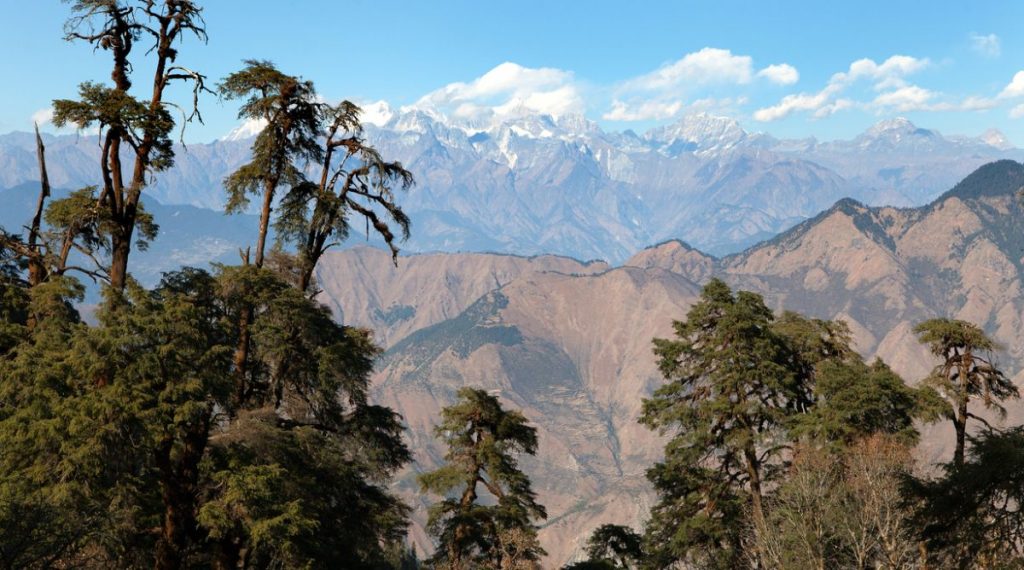
The Great Himalayan National Park, in Kullu, Himachal Pradesh, was awarded the UNESCO World Heritage Site status in 2014. Characterised by high alpine peaks, meadows and forests, the Great Himalayan National Park Conservation Area protects the monsoon-affected forests and the meadows. Part of the Himalaya biodiversity hotspot, the 90,540 hectares property includes 25 forest types besides a rich fauna species, including some threatened ones. (Photo: Getty Images)
7 / 11
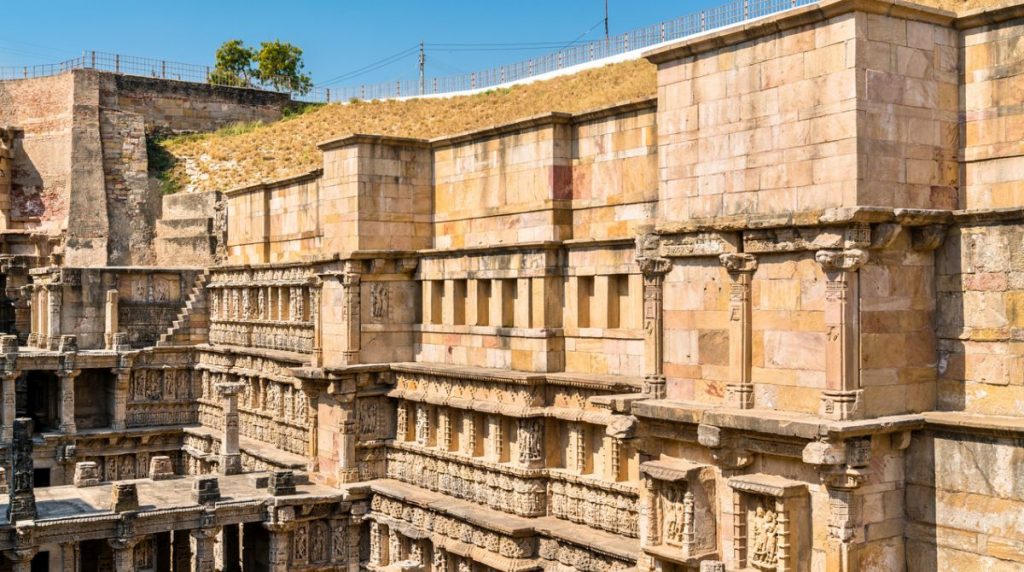
Another 2014 addition, Rani ki Vav or the queen’s stepwell is situated in Patan, Gujarat. Famous for its size and sculpture, the Rani ki Vav is spread over 64 metres in length and 20 metres in width. The stepwell is 27 metres deep and there are more than 500 sculptures of gods, mostly Vishnu in His ten avatars. (Photo: Getty Images)
8 / 11
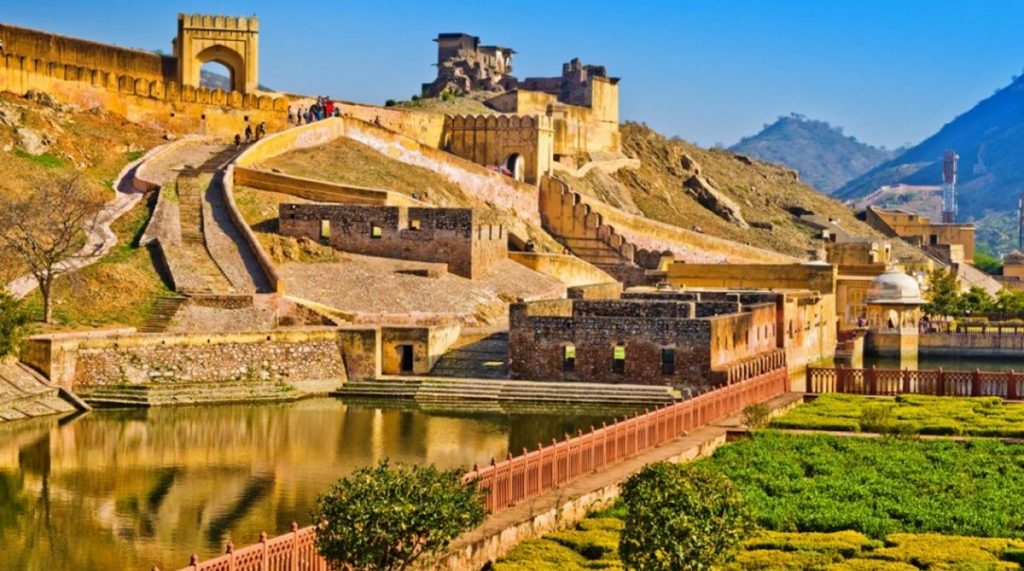
The World Heritage Committee included the hill forts of Rajasthan on the list in 2013. The hill forts in the Aravali mountain region represent the Rajput military hill architecture characterised by their peak settings designed to defend properties of the hilly terrain. The Rajput military strongholds are well known for their defensive architecture. The hill forts that got the World Heritage Site tag include Chittor Fort, Kumbhalgarh Fort, Ranthambore Fort, Gagron Fort, Amber Fort (in photo) and Jaisalmer fort. (Photo: Getty Images)
9 / 11
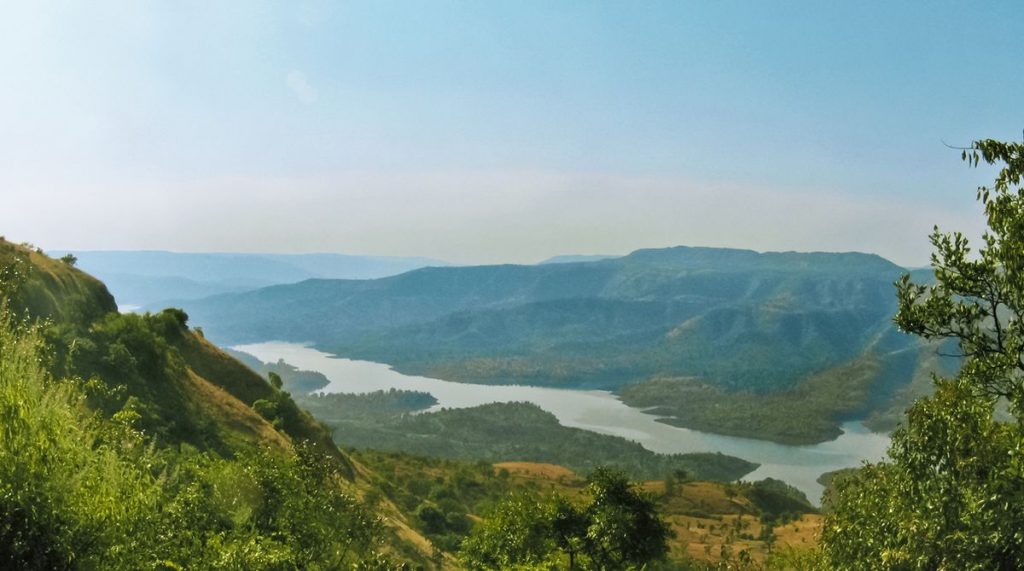
Western Ghats, or Sahyadri mountains, were a 2012 addition to India’s World Heritage sites. The committee gave the status to a total of 39 properties, including national parks, wildlife sanctuaries and reserve forests -- 20 in Kerala, 10 in Karnataka, five in Tamil Nadu and four in Maharashtra. The Western Ghats also come under one of the world’s ten “hottest biodiversity spots”. (Photo: Getty Images)
10 / 11
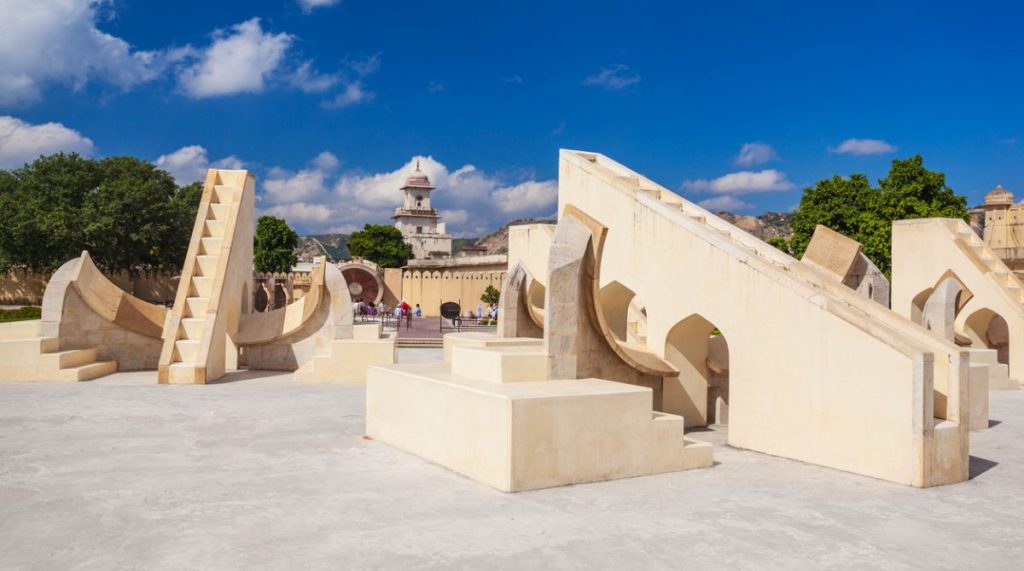
Jantar Mantar, in the Rajasthan capital of Jaipur, got the World Heritage tag in 2010. Built by Maharaja Jai Singh II between 1727 and 1734, Jantar Mantar has been inscribed as cultural property on the UNESCO World Heritage List as “an expression of the astronomical skills and cosmological concepts of the court of a scholarly prince at the end of the Mughal period”. Jai Singh II had constructed a total of five Jantar Mantars at different locations, including Delhi, of which the Jaipur facility is the largest and the best preserved. (Photo: Getty Images)
11 / 11
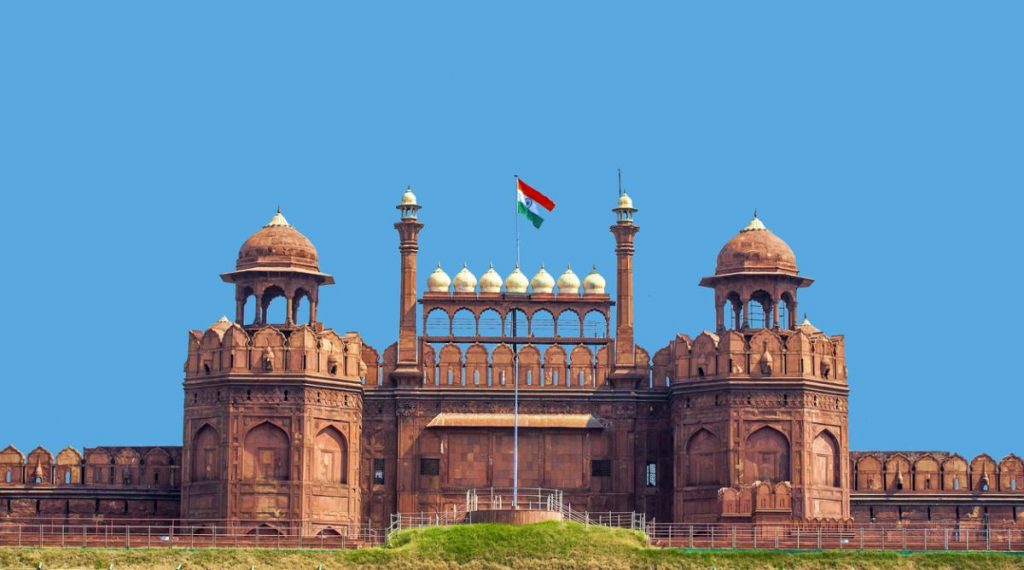
In 2007, Delhi’s majestic Red Fort complex, or the Lal Qila, got the UNESCO World Heritage Site status. Built in the 17th century, the palace fort of Shahjahanabad -- the new capital of Emperor Shah Jahan -- is a symbol of Mughal rule in India. The massive enclosing walls made of red sandstone gives the fort its name, the Red Fort, which is adjacent to the older Salimgarh fort built by Islam Shah Suri in 1546. Together, they form the Red Fort complex. The planning of the palace fort and its architectural style complete with its gardens influenced many buildings and gardens that came up later in Rajasthan, Delhi, Agra and other places. (Photo: Getty Images)
Related posts
India begin rebuild as Afghanistan Test their growth in New Chandigarh
India begin their one-off Test against Afghanistan at the Maharaja Yadavindra Singh International Cricket Stadium in New Chandigarh on Saturday with plenty more at stake than just another win.
Dalai Lama arrives in Delhi for left knee treatment, Ladakh visit planned after recovery
Days after formally receiving his Grammy Award in Dharamshala, the Dalai Lama has travelled to Delhi for medical care and is expected to continue to Ladakh later this month.
Counting Trust
Every country counts its people. The real test lies in whether people are willing to be counted.