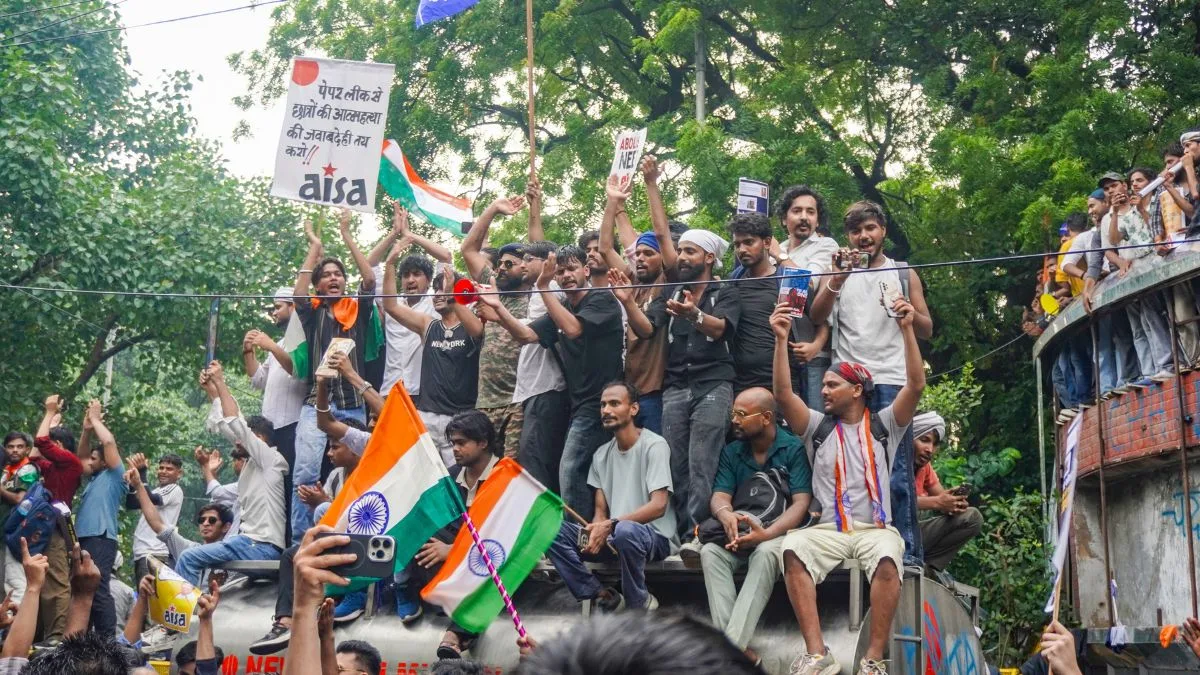
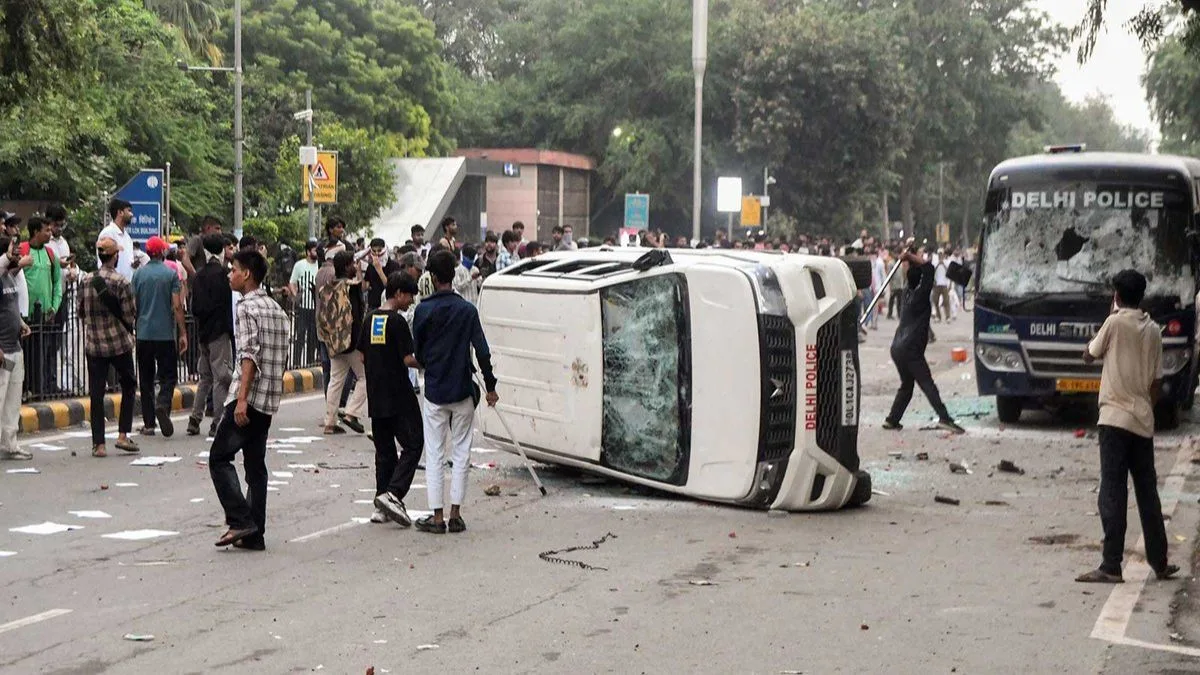
What began as an irreverent internet joke has acquired the unmistakable weight of a political movement. The Cockroach Janta Party’s ability to bring tens of thousands onto Delhi’s streets, defying restrictions and attempting to march towards Parliament, marks a significant escalation in youth anger over India’s examination system. More importantly, it shows how a specific grievance can become a vessel for much wider discontent. The immediate cause is serious enough.
The cancellation of NEET-UG after allegations of a paper leak struck at an institution on which millions of young Indians stake years of preparation, family savings and professional ambitions. Examination integrity is not an administrative detail in a country where competition for limited educational opportunities is ferocious. When such systems repeatedly appear vulnerable to manipulation, the damage extends beyond individual candidates. It corrodes faith in merit itself.
Advertisement
Yet the movement has clearly travelled beyond NEET. Its appeal now draws upon anxieties over employment, opportunity, institutional accountability and whether those in authority suffer consequences when public systems fail. The transformation of the word “cockroach” from an insult into a badge of collective identity is politically potent. Successful protest movements often begin by giving scattered frustrations a common language and symbol.
Activist Sonam Wangchuk’s hunger strike added another dimension. Fasting carries unusual moral resonance in Indian politics, from Mahatma Gandhi and Potti Sriramulu to later movements led by Irom Sharmila and Anna Hazare. Wangchuk’s forcible removal to hospital after a prolonged fast may have protected his health, but the manner of state intervention also intensified the symbolism of the protest. The government therefore faces a familiar political danger. Barricades can prevent demonstrators reaching Parliament; they cannot resolve the grievance that brought them there.
Allegations of baton charges, injured protesters and restrictions on mobile internet risk shifting the argument from examination reform to the democratic handling of dissent. Once that happens, a government can inadvertently broaden a movement it hoped to contain. The CJP faces an equally important test. Opposition leaders will naturally seek to associate themselves with an agitation embarrassing the government. But becoming another vehicle in conventional partisan combat could dilute precisely what has made the movement distinctive: its organic appeal among young people who feel poorly represented by established politics. Escalating demands from the education minister’s resignation to that of Prime Minister Narendra Modi may generate attention, but maximalism can make concrete victories harder to secure.
The lasting significance of these protests will therefore depend on what follows the spectacle. If the movement converts anger into sustained pressure for transparent examinations, institutional responsibility and credible reform, it could become an important new expression of youth politics. If momentum dissipates or is captured by established parties, it may join India’s long history of dramatic but transient agitations. For now, however, one conclusion is unavoidable. A movement born in satire has demonstrated that the grievances beneath are anything but frivolous. The cockroach has become a political symbol because a generation that feels dismissed has discovered the power of refusing to disappear.