US President Donald Trump on Tuesday (local time) hinted that the stalled talks between Washington and Tehran could be back on track within the next couple of days, offering a glimmer of movement in an otherwise tense standoff.
The signal comes even as the US-Iran crisis drags into its seventh week, with the conflict already spilling beyond the battlefield and starting to pinch economies and markets around the world. Any movement on talks is being closely tracked as a potential turning point in the crisis.
Advertisement
Speaking over the phone to a New York Post reporter in Islamabad, Trump said, “You should stay there, really, because something could be happening over the next two days, and we’re more inclined to go.” He added, “It’s more likely,” signalling growing optimism about restarting negotiations.
In an earlier interaction, Trump had acknowledged that discussions were underway but progressing slowly. “Discussions were happening, but, you know, a little bit slow,” he said.
Islamabad may replace Europe as talks venue
While Trump initially indicated that the next round could take place in Europe, he later hinted that Islamabad may host the discussions.
The US President also clarified that he would not personally attend the talks, without specifying who would represent Washington this time. Previously, Vice-President JD Vance had led the American delegation in marathon negotiations with Iran’s Parliament Speaker Mohammad Bagher Ghalibaf and Foreign Minister Abbas Araghchi.
UN and Iran echo possibility of renewed dialogue
There were parallel signals from the international community as well. UN Secretary-General Antonio Guterres said he had spoken to Pakistan’s Foreign Minister Ishaq Dar and noted, “The indication we have is that it is highly probable that these talks will restart.”
Araghchi also acknowledged some headway in earlier discussions but blamed Washington for derailing progress. According to Iran’s Tasnim news agency, he told France’s Foreign Minister Jean-Noel Barrot, “Although progress was made in the negotiation process on many issues, the American side’s excessive demands and constant changes in their requirements prevented reaching an agreement.”
Nuclear dispute remains a sticking point
Trump dismissed reports that the US had proposed a 20-year moratorium on Iran’s nuclear programme, reiterating his opposition to anything short of a complete ban. “I’ve been saying they can’t have nuclear weapons, so I don’t like the 20 years,” he said, adding, “I don’t want them (Iran) to feel like they have a win.”
Media reports suggested Iran had instead proposed a five-year pause on uranium enrichment, which Washington rejected.
War, blockade and economic pressure
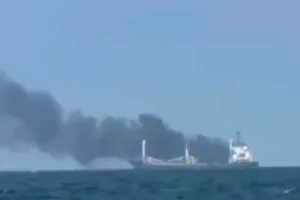
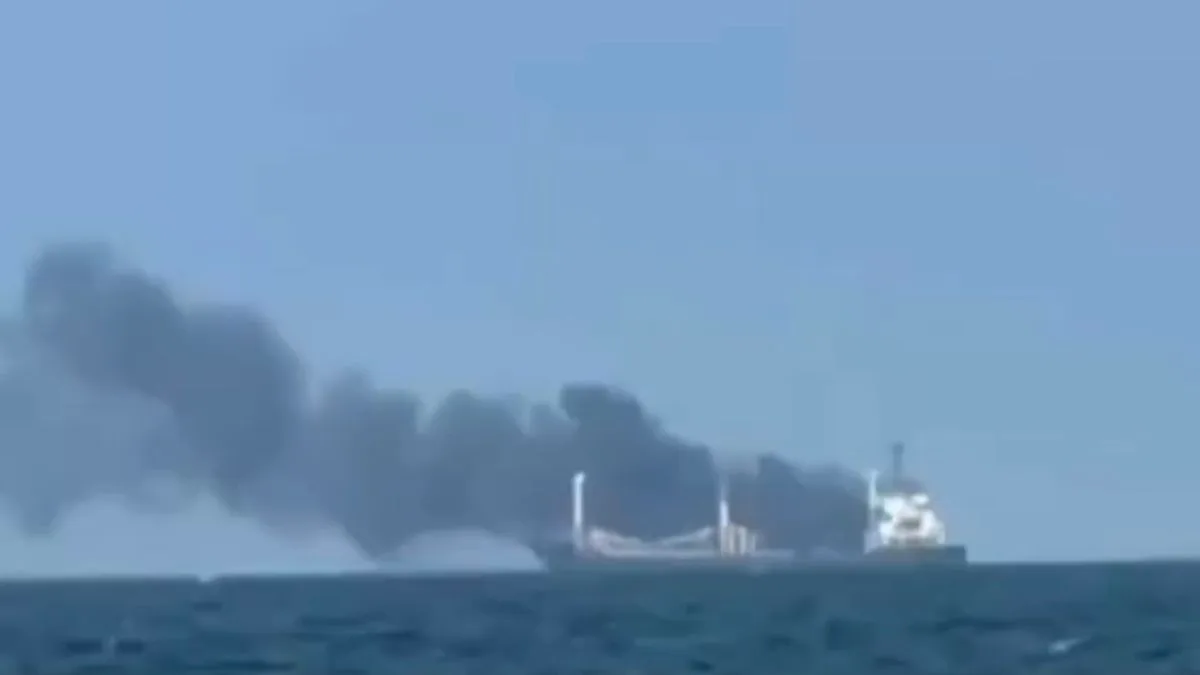
The conflict, triggered by Israeli strikes targeting Iran’s leadership and later joined by the US, has now stretched into its 45th day. Iran responded by shutting down the Strait of Hormuz, a critical route that carries about 20 per cent of global fossil fuel supplies.
Following the collapse of talks, Trump ordered a US naval blockade of vessels linked to Iran in the Strait earlier this week. However, some ships have reportedly continued to pass through, avoiding direct confrontation so far.
Back home, Trump is facing mounting pressure as the war’s economic impact becomes visible through rising fuel and grocery prices. The situation is further complicated by the approaching midterm elections in November, where control of Congress will be contested.
Globally, the International Monetary Fund has warned that a prolonged closure of the Strait of Hormuz could push the world economy towards a recession.