Nepal witnessed a historic moment on Friday evening as former Chief Justice Sushila Karki took the oath of office as the country’s interim Prime Minister. With this appointment, Nepal has, for the first time in its history, come under the leadership of a woman at the highest executive position.
The oath ceremony was held at the President’s Office, Shital Niwas, where President Ram Chandra Paudel administered the pledge of office.
Advertisement
Vice President Ramsahay Prasad Yadav, Chief Secretary Baikuntha Aryal, senior government officials, heads of security agencies, and representatives from diplomatic missions attended the occasion.
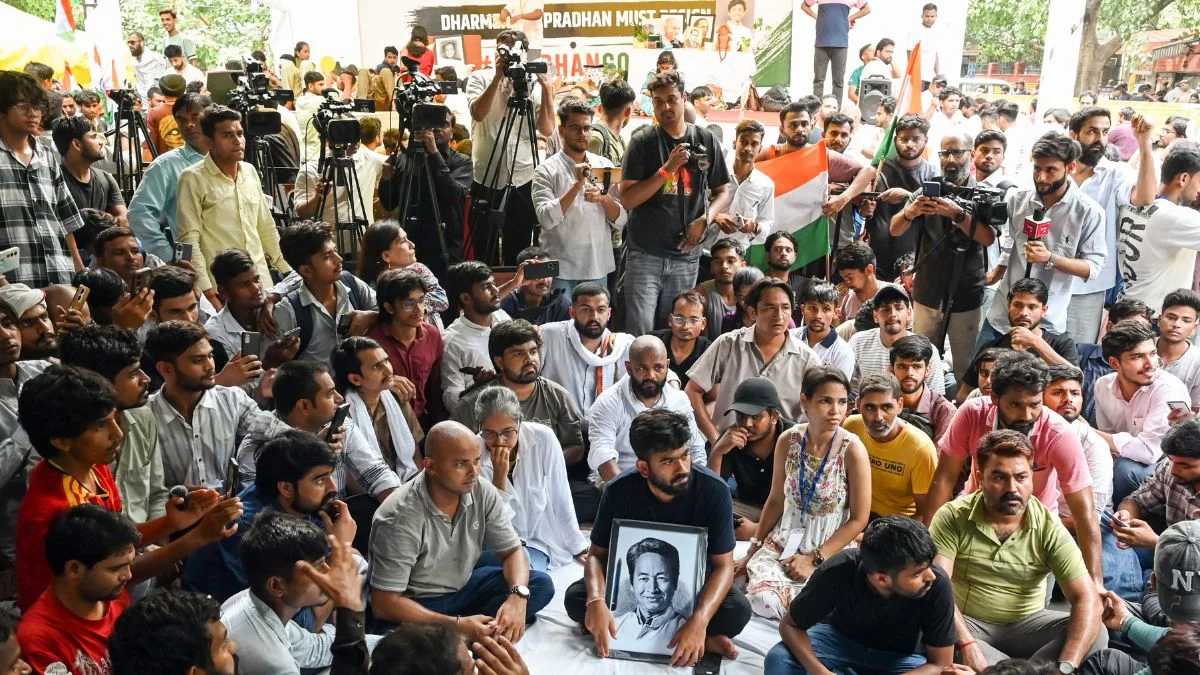
Karki’s appointment comes in the wake of intense nationwide protests led by Generation Z activists. Their campaign against corruption shook the political establishment and resulted in the collapse of the three main pillars of the government.
The movement gained such momentum that Prime Minister KP Sharma Oli eventually resigned.
Soon after his resignation, President Paudel, together with the Chief of Army Staff, moved swiftly to form an interim government.
Sushila Karki now carries the responsibility of steering Nepal through a fragile and turbulent time. Her main task will be to stabilize the country and prepare the ground for the next elections, handing over power peacefully to the newly elected representatives when the time comes.
The interim government under Karki is also expected to address the aftermath of the protests, which left government structures weakened and public trust shaken.
Observers say her clean image as a former Chief Justice played a key role in her selection. Karki is widely respected for her straightforwardness and her uncompromising stand against corruption during her judicial career.
The swearing-in also marked the beginning of important constitutional changes that had been under discussion in recent days. These include the dissolution of the House of Representatives and the possible declaration of a state of emergency, decisions reached after negotiations between the President and the protesting youths.
Her role, however, will not be easy. Karki will have to manage a restless public, coordinate with security agencies, and ensure that elections are conducted smoothly within the agreed timeframe.
This is not the first time Sushila Karki has made history. She was also the first woman to become Chief Justice of Nepal. Now, by stepping into the role of Prime Minister, she has broken another barrier and opened a new chapter for women in leadership in the country.
As the interim Prime Minister, she is expected to be a bridge between the anger of the streets and the needs of the state. Whether she can turn this moment into a foundation for long-term change will depend on how effectively she balances the demands of the youth with the realities of governance.