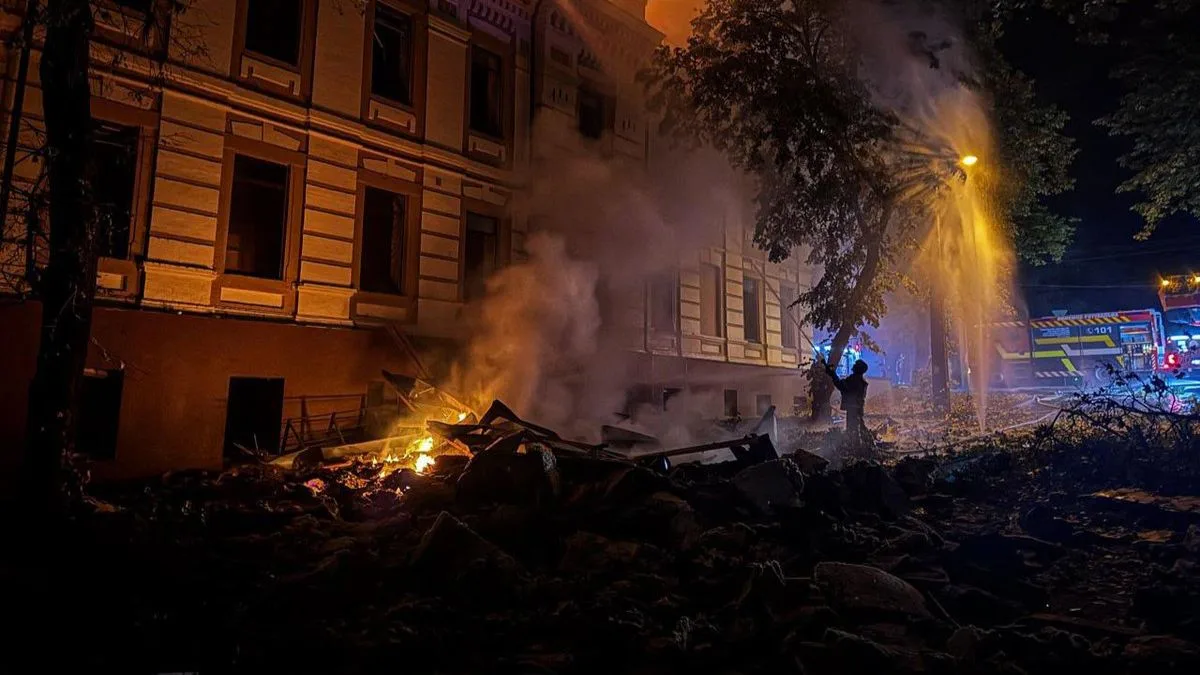
Russia struck Ukraine’s capital overnight into Sunday. Explosions rocked Kyiv as air defense units worked to intercept incoming missiles. Ukraine’s Air Force said Russia deployed 125 drones, 25 ballistic missiles, 10 Zircon hypersonic missiles and six other missiles in the assault. Most of the projectiles were aimed at Kyiv.
At least one person was killed. Sixteen others were injured across the capital and the surrounding oblast, officials said. Reuters later reported 13 people wounded in the city itself, with search and rescue work ongoing through the morning.
Advertisement
Damage across the city
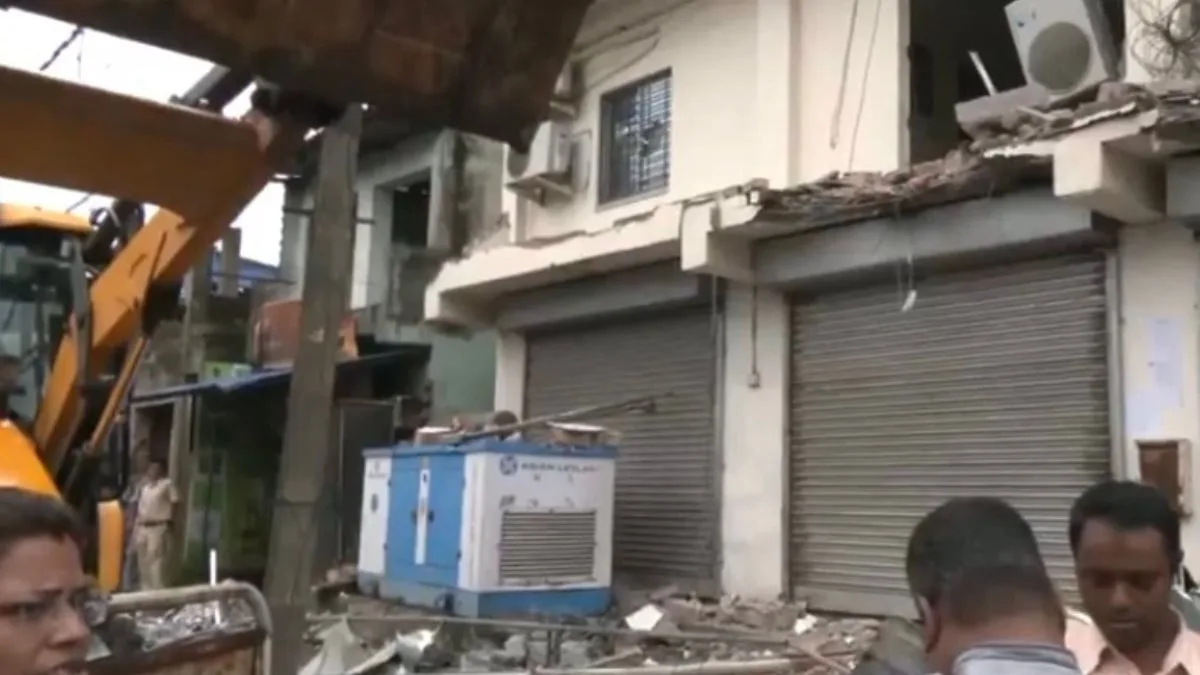
Kyiv Mayor Vitali Klitschko said fires broke out at a dormitory, an apartment building and a supermarket. Several non-residential buildings and warehouses were hit. Parked cars and office buildings burned in multiple districts.
In Kyiv Oblast, near the suburb of Bucha, fires broke out at warehouse buildings and a logistics facility, according to the State Emergency Service. The Lukyanivska metro station closed temporarily due to damage from an above-ground strike.
In Zaporizhzhia, a separate attack set fire to a university building. One person was injured there.
Zelensky’s response
President Volodymyr Zelensky addressed the strike afterward. He said protection against ballistic missiles remains Ukraine’s constant and top priority. He said interceptors are needed daily and thanked partners who continue delivering anti-ballistic capabilities.
Pattern of recent attacks
This marks the latest in a string of major strikes on Kyiv through July. On July 2, Russian missiles and drones killed 31 people and injured at least 102 in the capital, one of the deadliest single attacks of the month.
On July 6, Russia launched a combined wave of missiles and drones that killed at least 26 people and injured dozens more, including seven children. That strike came hours after Zelensky had warned of a pending large-scale attack.
On July 8, four people were killed and 15 injured after Russia launched a third wave of drones and ballistic missiles against the capital within a six day span.
Air defense shortage
Ukrainian officials have repeatedly said a shortage of Patriot air defense interceptors is limiting the country’s ability to stop Russian ballistic missiles. Kyiv has said it has ordered more Patriot systems, which remain in short supply worldwide, and has asked NATO members to lend interceptors in the meantime.
Officials have said Russia is increasingly exploiting this gap. Ukraine’s defenses rely heavily on Patriot systems to intercept ballistic threats, unlike slower moving drones and cruise missiles.
Broader context
The renewed strikes come during a period of political turbulence in Ukraine. Days before the July 19 attack, Ukraine’s Defense Minister was dismissed from his post. That was after less than a year in office. A senior Ukrainian Air Force officer resigned in protest, warning the dismissal could lead to more casualties from Russian strikes.
Ukraine has also worked recently to build international support against the ballistic missile threat. Earlier in July, Ukraine and nine European countries announced a new air defense coalition aimed at countering Russian ballistic missiles specifically.
Death toll in context
General Staff figures cited in recent reporting say Russia has lost over 1.4 million troops in Ukraine since the full scale invasion began on February 24, 2022. That figure includes more than 1,300 casualties reported in a single recent day.