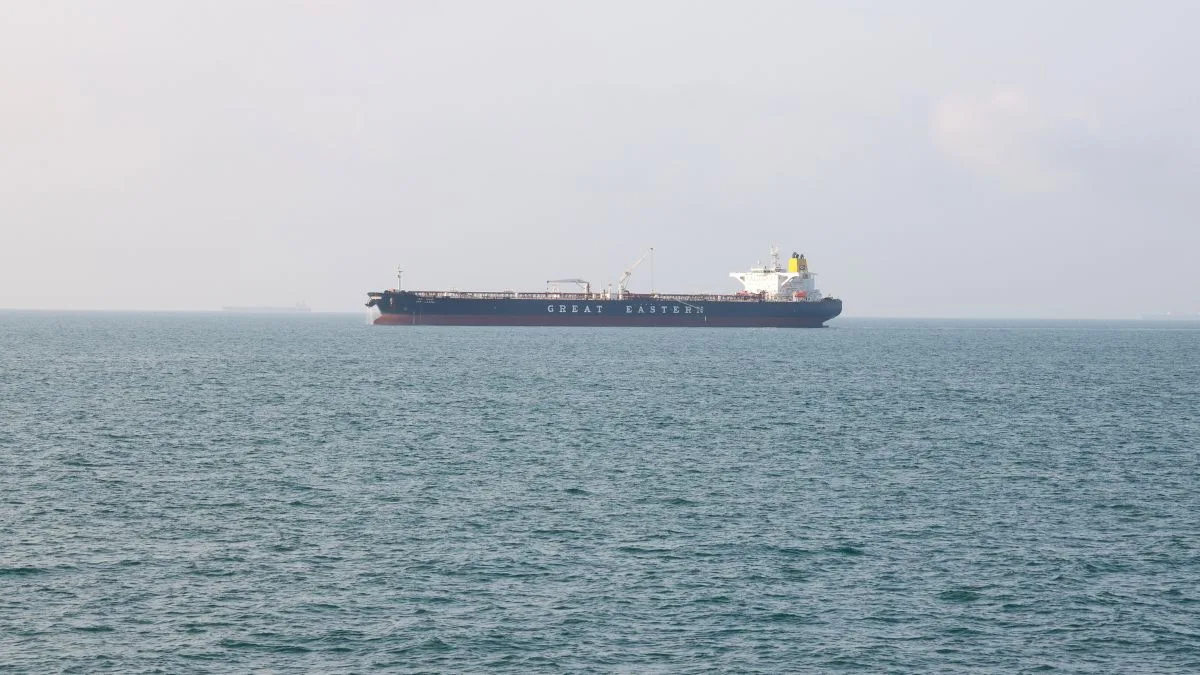
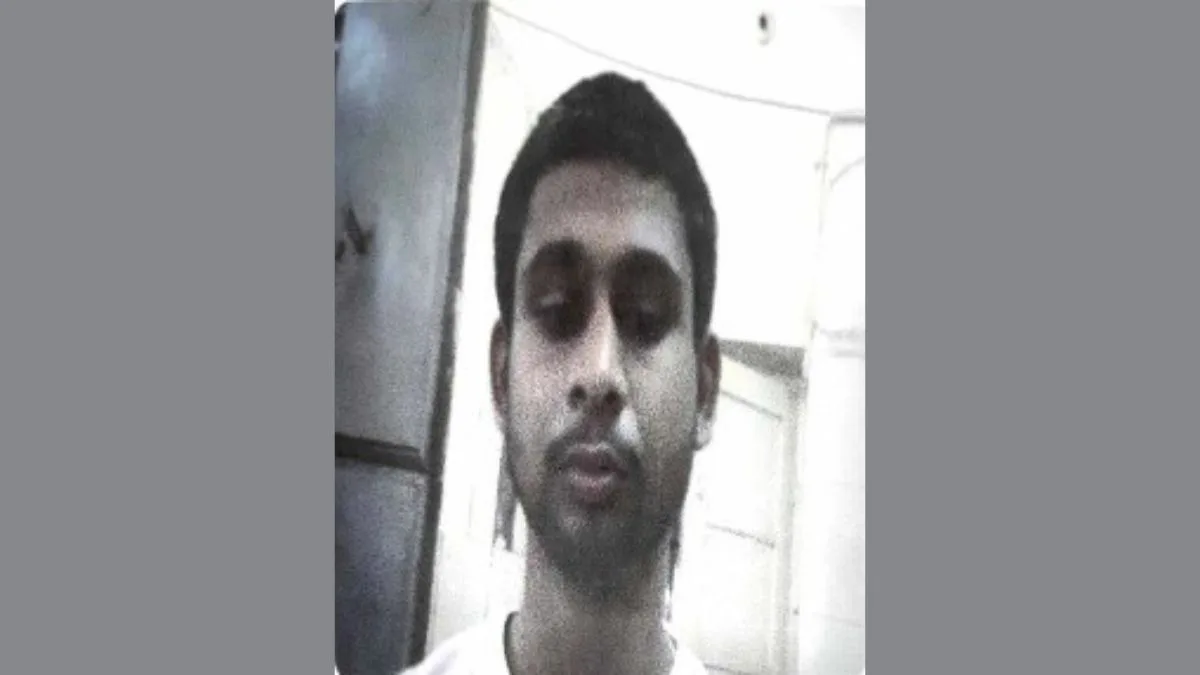
MT Settebello attack in Hormuz Strait: Deck cadet from Himachal Pradesh among dead
The deceased, Aditya Sharma, was serving as a deck cadet aboard the vessel and was among the Indian crew members caught in the incident.
Operation Rahat was the biggest ever air operation undertaken by IAF, reports Sri Krishna In what was one of the biggest…





Operation Rahat was the biggest ever air operation undertaken by IAF, reports Sri Krishna
In what was one of the biggest relief and rescue operation undertaken by any Air Force in the world, “Operation Rahat” of IAF, operating since 16 June in Uttarakhand hit by “Himalayan Tsunami” killing thousands, including a large number of pilgrims on the Char Dham Yatra ~ Badrinath, Kedarnath, Gangotri and Yamunotri ~ was indeed a mammoth task.
As the Task Force Commander, Air Commodore Rajesh Isser said it was “the biggest civilian rescue operation carried out by any air
force using helicopters across the globe,” deploying 45 helicopters for the operation. The IAF, which lost five of its personnel in the course of the relief and rescue operations, which was closely monitored by the Chief of Air Staff, Air Chief Marshal NAK Browne, continued undeterred by this loss.
The 45 helicopters, included powerful ones like Mi-17 and Mi-26. The Mi-26 is the largest and most powerful helicopter in the world. It also deployed airplanes like Dorniers, C-130s and AN-32s. What was indeed a major challenge for the IAF was that these flying machines’ performance usually is measured at sea level and the conditions they operated in were not conducive and it was hostile, reducing their performance by almost half as there are no landing pads, the topography dotted with cliffs and hills meant the space to manoeuvre was narrow and inclement weather made flying conditions extremely dangerous.
But, the Indian genius came through in what is popularly called in Hindi “jugad”. with the Air Force coming up with instant solutions and innovations to rescue people while keeping reduced functioning and safety in mind.
The IAF brought into full play its previous experiences of dealing with natural calamities having been involved with the Ladakh flash floods of 2010, the Andhra Pradesh flood disaster in 2009 and the Tsunami rescue operations of 2004. One of the major challenges faced by the IAF was the unpredictable weather conditions in the Himalayan terrain and so the operations depended not only on the reports of the Met department but also it used the C-130 aircraft on daily sorties, utilising its Electro-Optic Infrared sensors to prepare reports enabling it to get accurate weather conditions in all the valleys. As Air Commodore Isser said, “All our operations could have stopped due to lack of fuel on the second day itself but the C-130 took fuel and directly refuelled bowsers flown in by Mi-26 helicopters for this.” Besides, the IAF had to winch down specialists where helicopters couldn’t even approach and this enabled it to save people from areas which after such a disaster are totally cut off. During the first 15 days after the calamity struck Uttarakhand, the IAF flew 2,140 missions with helicopters evacuating 19,600 people and carrying 3,82,400 kg of relief material which was indeed an Herculean task. As the Chief of Air Staff, Air Chief Marshal NAK Browne said “By placing the safety, security and comfort of our distressed countrymen above your own, you have indeed enhanced the prestige of IAF in the eyes of the nation.” With the first phase of “Operation Rahat,” completed, the IAF is now moving into the second phase of the operation to support long-term rehabilitation efforts in the hilly areas of Uttarakhand. In a communication to all units and stations of the IAF, the Air Chief reminded his force that they would be required to “shift gears and adopt a different approach and formulate a new strategy”.
Taking note of the synergy, which the IAF had achieved with the Army, the ITBP and the NDRF and local administration in rescue efforts, he was confident that the Air Force “will continue to contribute significantly towards rebuilding Uttarakhand”. Commending all air warriors for their contribution towards execution the IAF&’s mission, he saluted the five brave air force personnel of 157 helicopter unit who sacrificed their lives while carrying out rescue mission in Kedar Valley.
Advertisement
Advertisement
Advertisement