Rubio faces fierce Senate fire over Iran War, Taiwan Arms deal and Cuba policy
Rubio’s testimony, which coincided with a fresh round of Israel-Lebanon political talks at the State Department, offered few definitive answers on several key issues.

Rubio’s testimony, which coincided with a fresh round of Israel-Lebanon political talks at the State Department, offered few definitive answers on several key issues.

Trump outlines a stark Iran strategy, weighing military escalation against diplomacy, while raising doubts over Tehran’s proposal and highlighting economic pressure from US maritime enforcement.

Trump labels Iran war criticism “treasonous” while telling lawmakers hostilities have ended, even as he signals fresh action and expresses doubts over a possible deal with Tehran.
Trump claims Iran’s military and economy have been hit hard, while signalling secret negotiations and downplaying fresh strikes amid growing legal and geopolitical pressure.
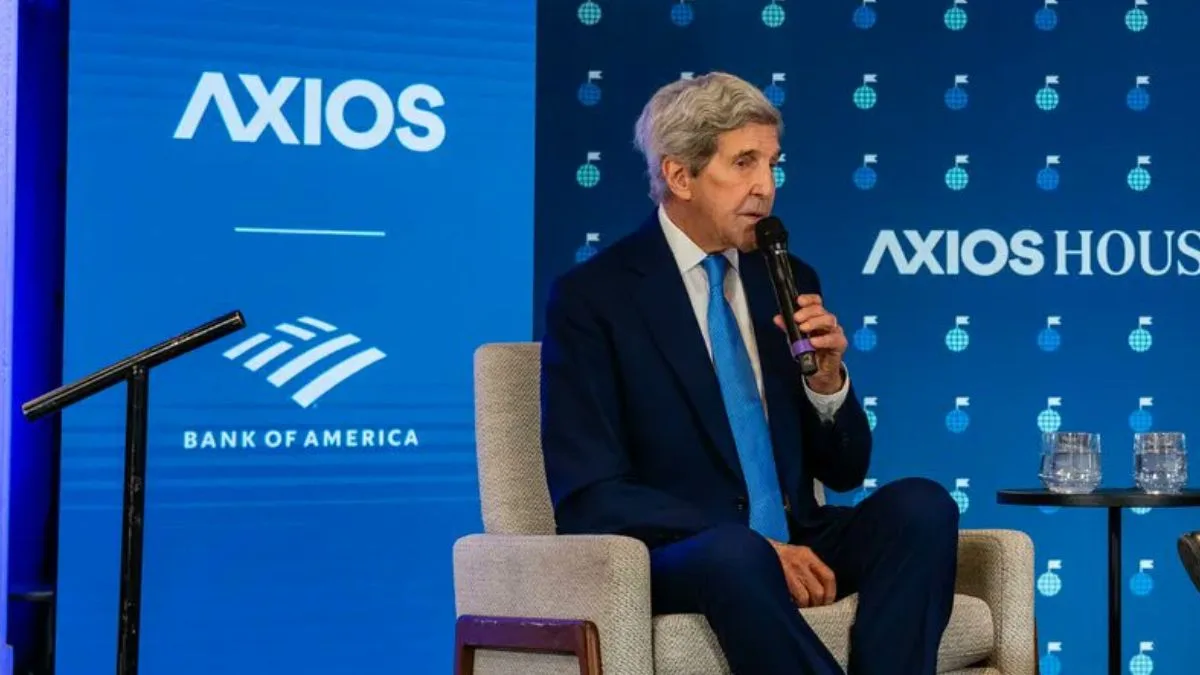
Kerry recalls internal US debates, saying successive presidents avoided conflict with Iran, while later reports point to mixed signals during the Trump administration.

After 21-hour talks collapsed, the US moves to choke Iran’s oil trade, with Trump signalling tougher action and little interest in restarting negotiations.

Both Washington and Tehran claim the other walked away from 21 hours of negotiations in Islamabad, and their accounts of why differ sharply.

MIT professor Theodore Postol claims Iran already has enough material for 10 to 11 nuclear weapons and warns any nuclear escalation could trigger mass destruction across the region.

As the US deadline approaches, both sides harden positions with warnings, military operations and global concerns over oil routes, signalling a critical turning point in the conflict.
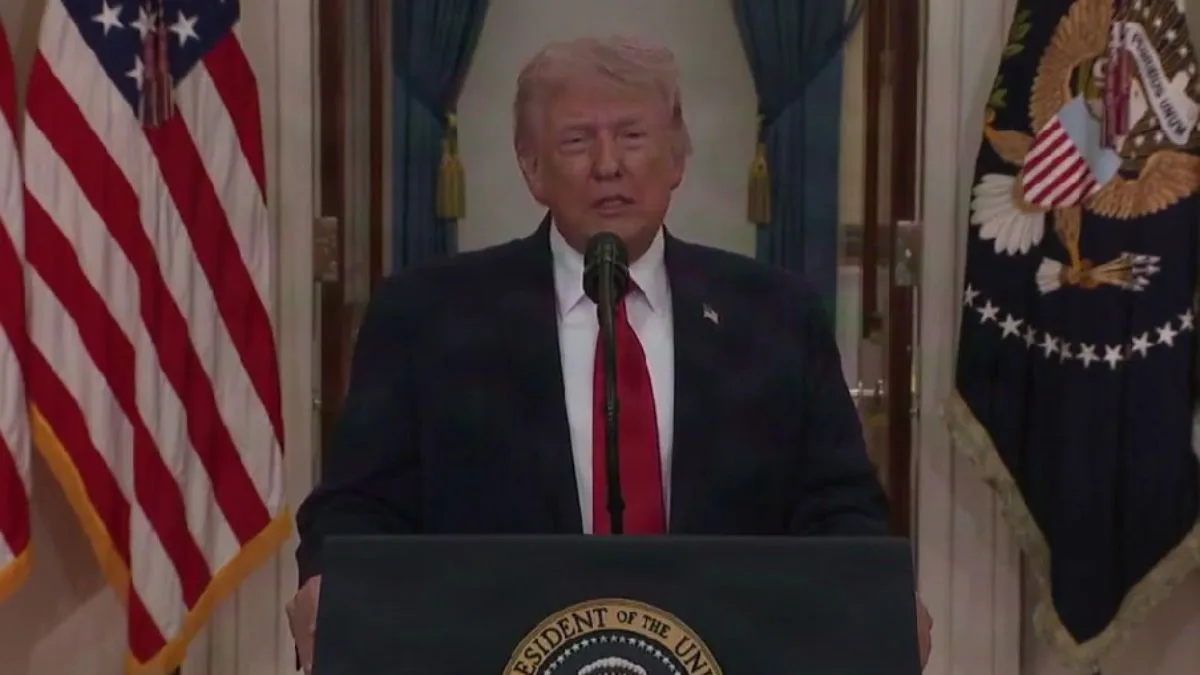
Trump's Iran address combined a sweeping victory claim with an explicit threat to bomb power grids and oil fields, and set a two-to-three-week deadline for diplomacy or escalation.