When Water Kills
The deaths linked to contaminated tap water in Indore are not merely a tragic municipal failure; they expose a deeper contradiction at the heart of India’s urban governance.
The deaths linked to contaminated tap water in Indore are not merely a tragic municipal failure; they expose a deeper contradiction at the heart of India’s urban governance.
The chief minister reviewed the progress of the 'Jal Jeevan Mission – Har Ghar Nal Yojana' here on Sunday.
Within a span of 18 days of the new financial year, connections have been provided to more than 2 lakh houses, constituting 40 percent of the first quarter target of over 5 lakhs, official sources here on Wednesday claimed.
The Chief Minister said: "There are a total 17.08 lakh rural families in the state in which 100 per cent households have now been provided with tap water."
The state Public Health Engineering (PHE) department, which is implementing this project of providing tap water connection, has taken up 2,941 new and augmentation piped water supply schemes at a sanctioned cost of Rs 8,399.5 crore in the financial year 2021-22. In this fiscal, around 56,000 schools and 38,000 anganwadi centres have been provided running water facilities.
Informing about the developments under the Jal Jeevan Mission, Bharat Lal, Additional Secretary & Mission Director, National Jal Jeevan Mission said, "At the start of the mission in 2019, out of 19.20 Crore rural households in the country, only 3.23 Crore (17%) had tap water supply.
The national JJM was launched to provide clean tap water to every household and freeing women and girls from the drudgery of fetching water from a distance.
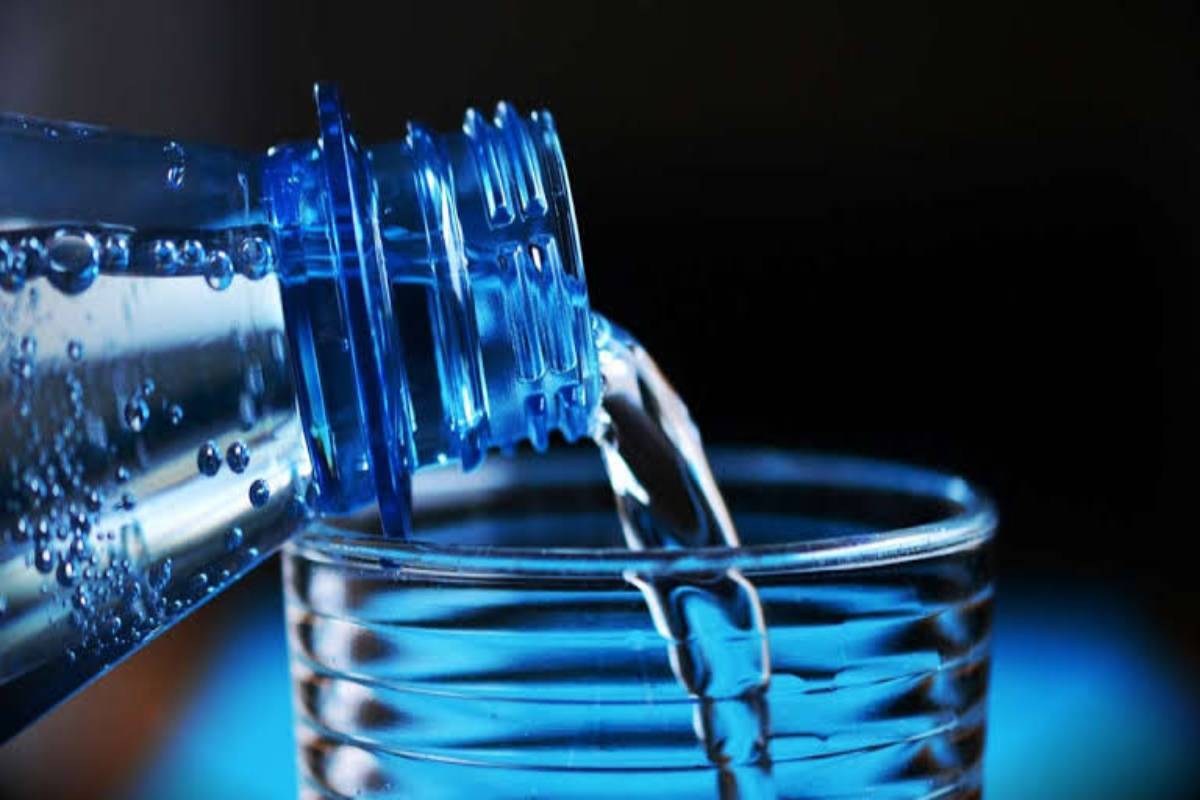
The consumption of bottled water has been increasing sharply in recent years on a global scale, due to the perceived presence of chemical.
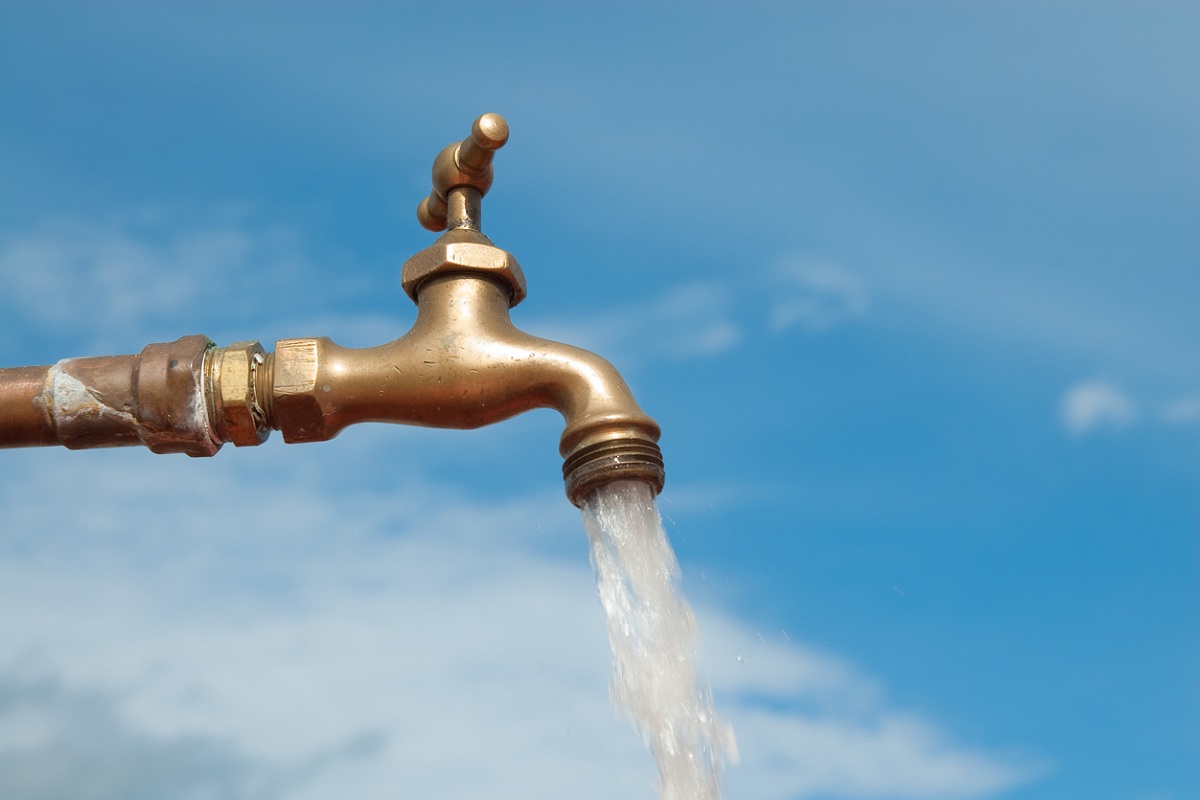
The states are required to train five persons, especially women in every village for use of field test kits for testing of water supplied at the local level.
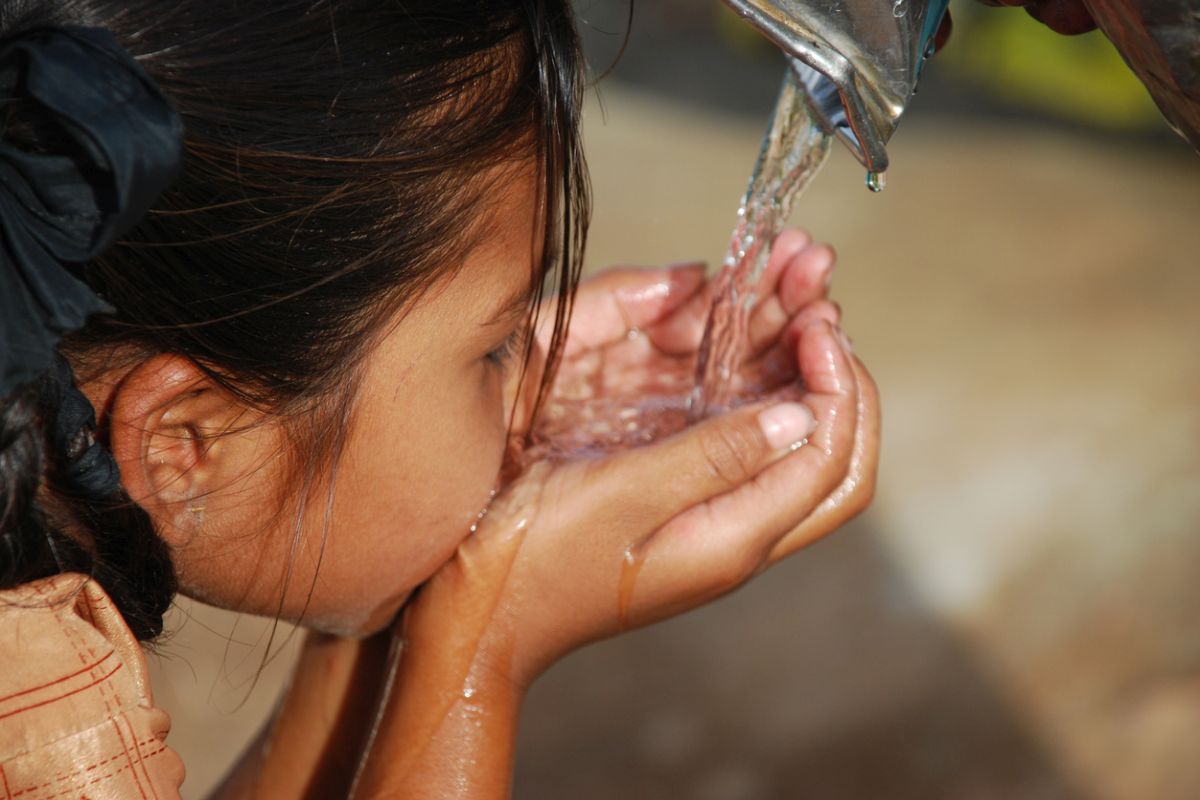
As per the preliminary lab testing, all the samples failed to meet the 42 parameters, including odour, PH levels, total dissolved solids and metal content, that make up the BIS standard.