Logo

Sarat Chandra

‘Samtaber’ Sarat Kuthi: The house that sheltered stories and revolution

Nestled along the serene banks of the Rupnarayan River, over 80 kilometres from Kolkata, lies the quaint village of Deulti. This unassuming hamlet holds a special place in Bengal’s literary heritage as the home of Sarat Chandra Chattopadhyay (1876-1938), one of India’s most celebrated and widely adapted authors. From 1926 to 1938, Sarat Chandra resided in a house he built in the small village of Samta, which he named Samtaber. 
Perceptions of Education

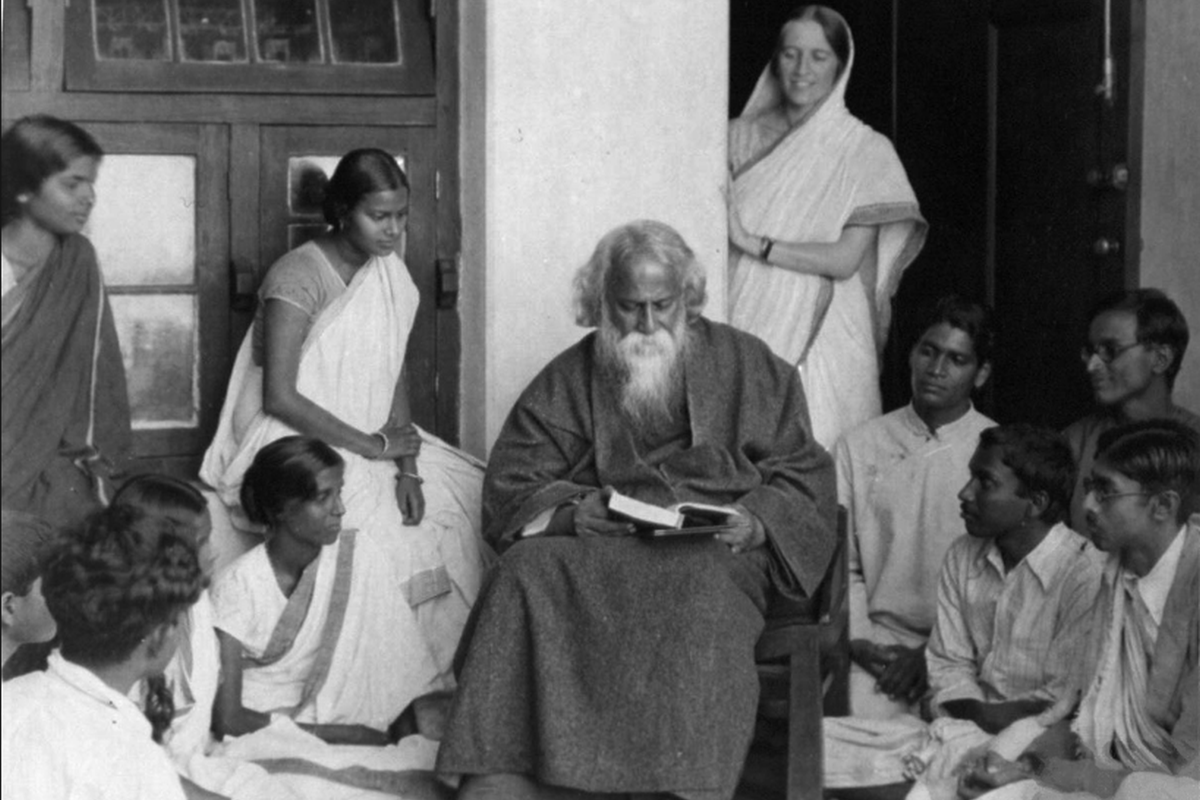
Tagore‘s critique was advanced when the Non-Cooperation Movement tried to widen the gulf between the East and the West which he wanted to avoid. In its inability to answer these important questions, Sarat Chandra's reply was dated. Both Shikshar Milon and Satyer Ahovaan, according to Pramatha Chaudhuri were two of Tagore‘s finest pieces.

Unsung Warrior~I

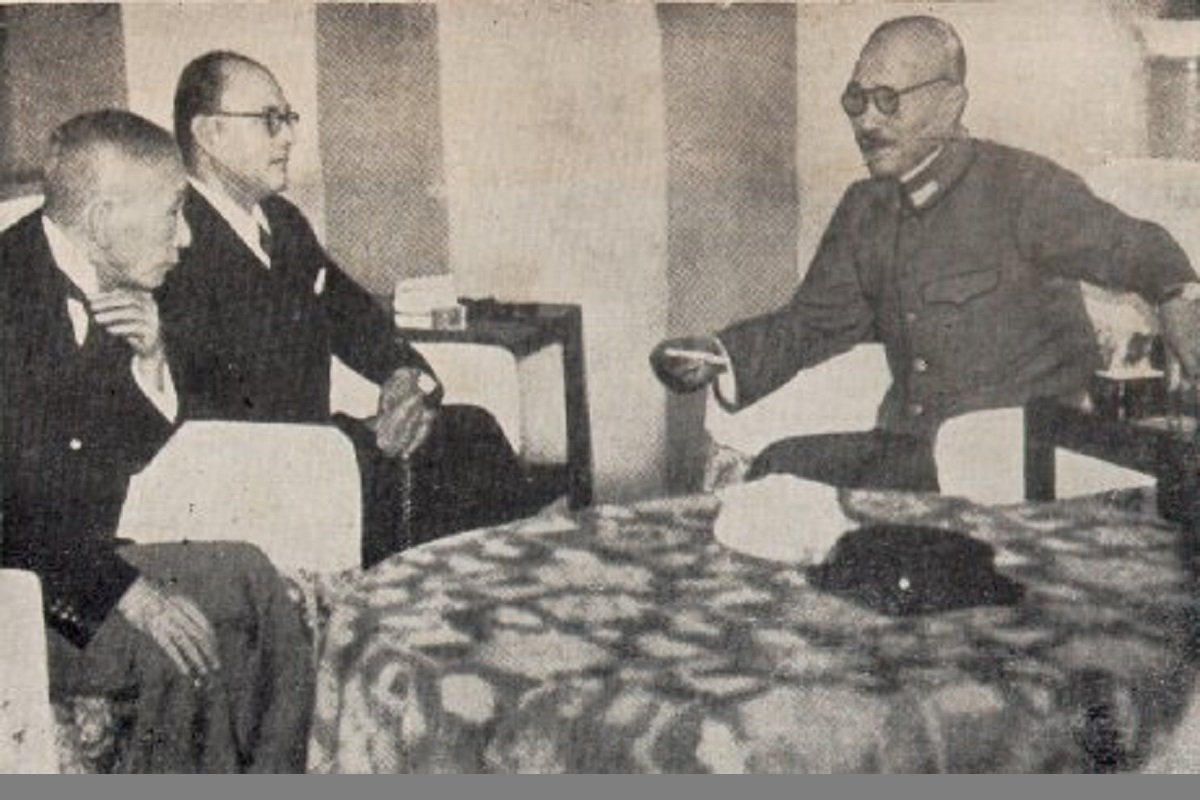
During investigation, the British police stumbled upon a sensational fact. PN Tagore, they came to know, was the false name used by none other than Rash Behari Bose, the dangerous and dreaded revolutionary. The Japanese government, on a request from the British under the Anglo-Japanese Alliance, served a deportation order to Bose. His well-wishers arranged for his shelter in Nakamuraya in Shinjuku, a famous shop and bakery, in defiance of deportation orders.