Supreme Court questions intent of PIL that led to Sabarimala judgment
A nine-judge Constitution Bench has asked why a lawyers’ body decided to intervene in the matter concerning religious practices.

A nine-judge Constitution Bench has asked why a lawyers’ body decided to intervene in the matter concerning religious practices.
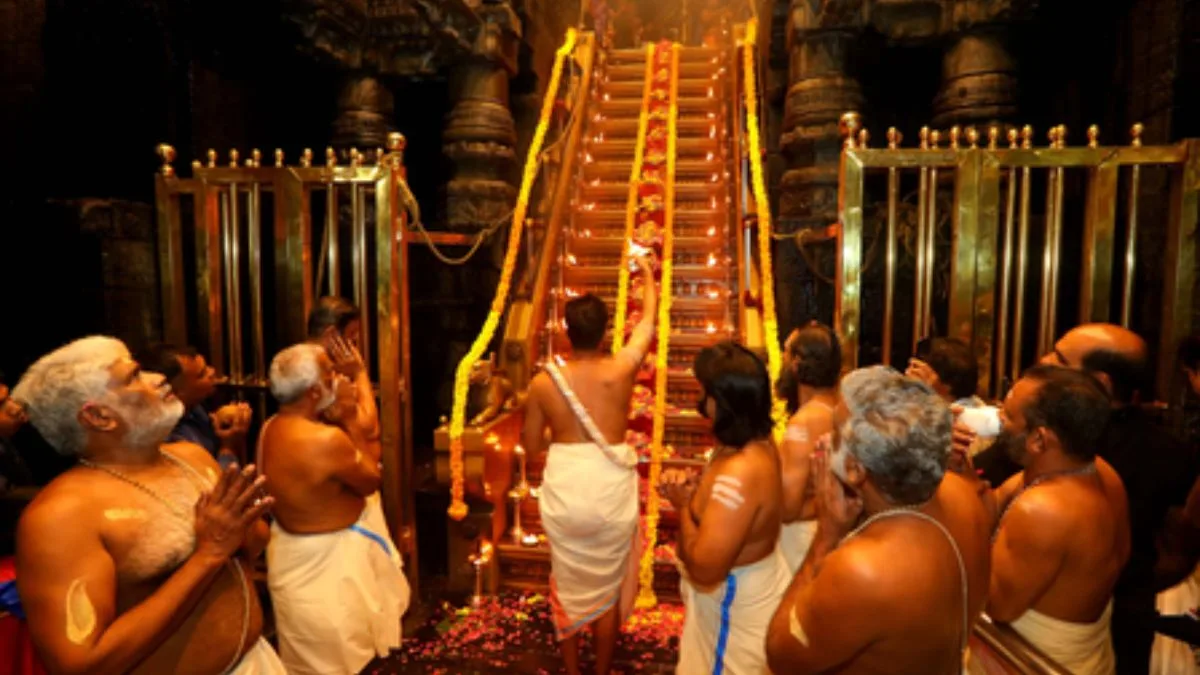
The TDB meeting held here on Monday decided to file an affidavit in the Supreme Court opposing the entry of women of menstruating age at the Sabarimala temple and to uphold the tradition, customs and rituals in the shrine .
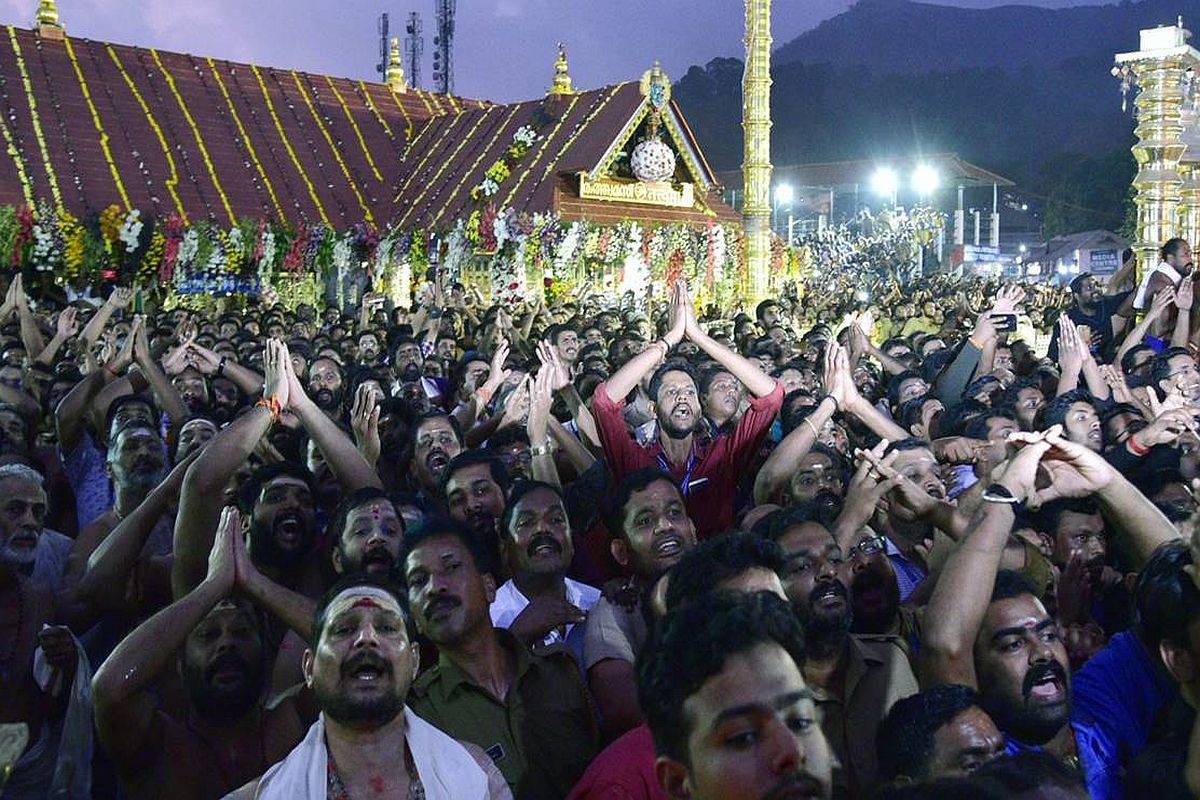
The larger bench will decide religious issues relating to Sabarimala, entry of women into mosques, practice of female genital mutilation, Chief Justice Ranjan Gogoi said.
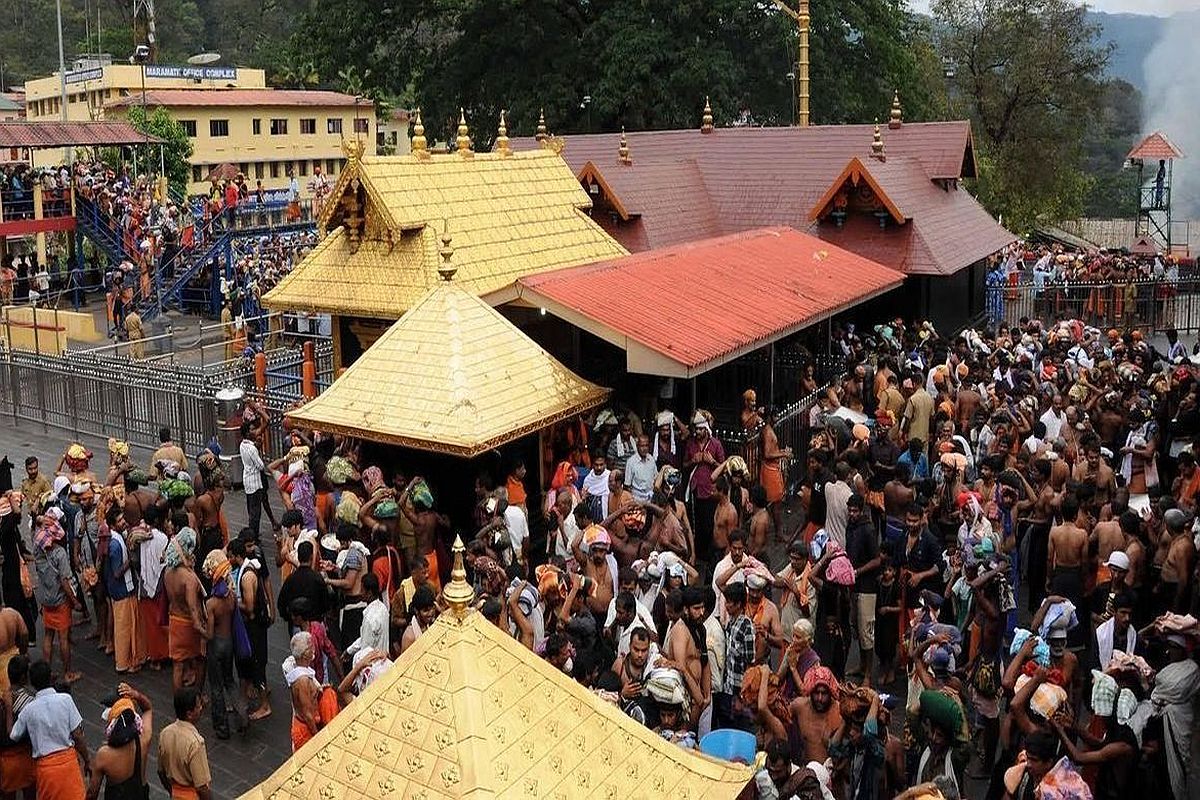
On September 28, last year, a five-judge Constitution bench, headed by then CJI Dipak Misra, lifted the ban on the entry of women of menstrual age into the temple sparking widespread protests across Kerala.
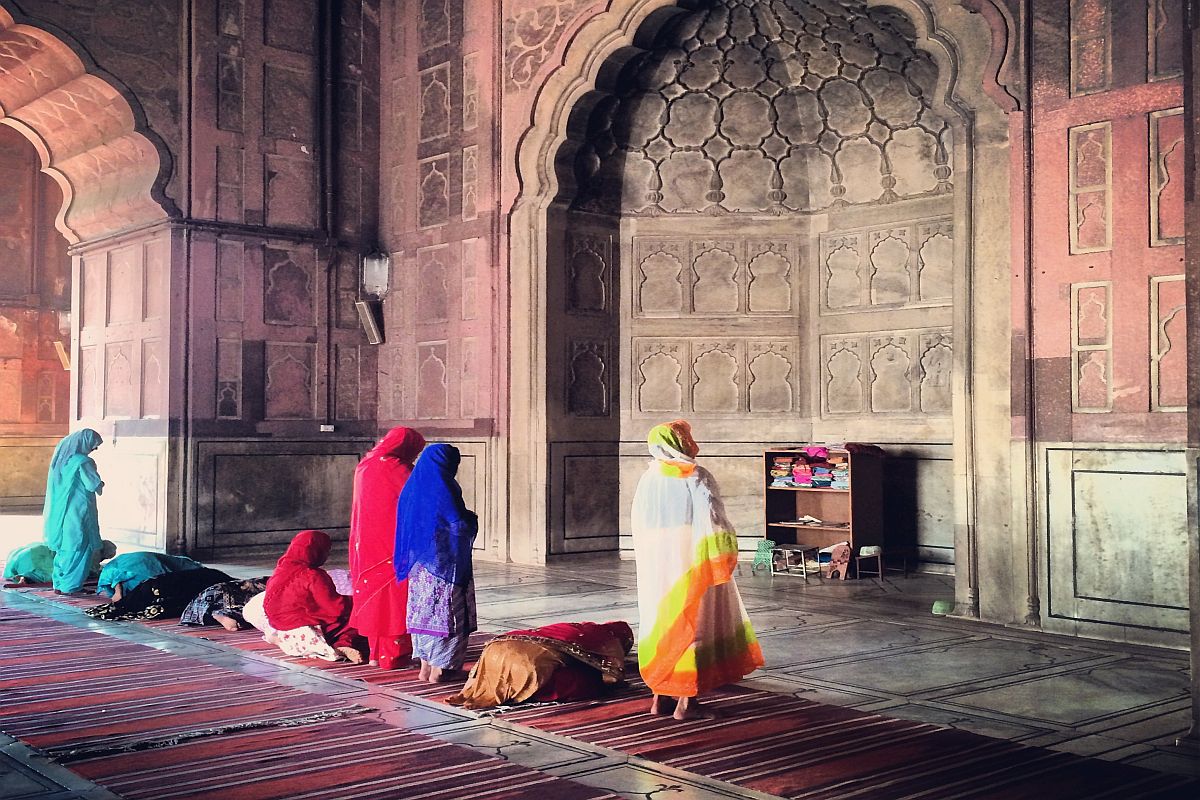
A Pune-based Muslim couple had filed a petition in the Supreme Court on Monday seeking Muslim women's entry inside mosques to offer namaz.
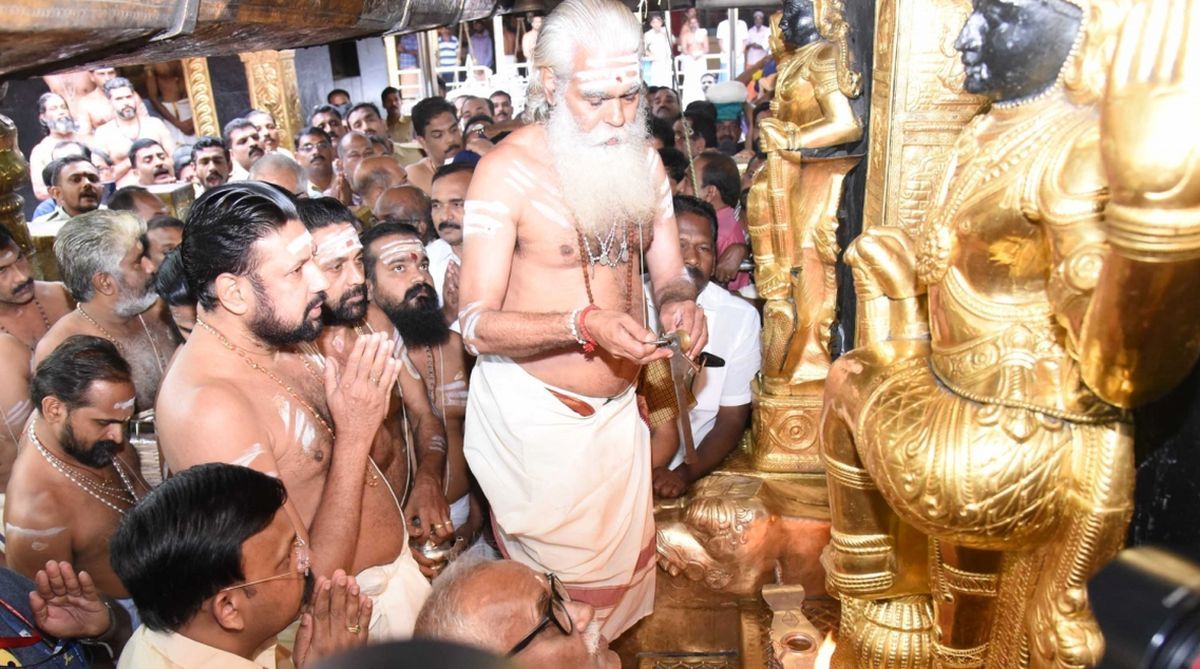
Two young women Bindu and Kanakadurga had entered the hill shrine on 2 January during the Makaravilkku season leading to a huge protest.
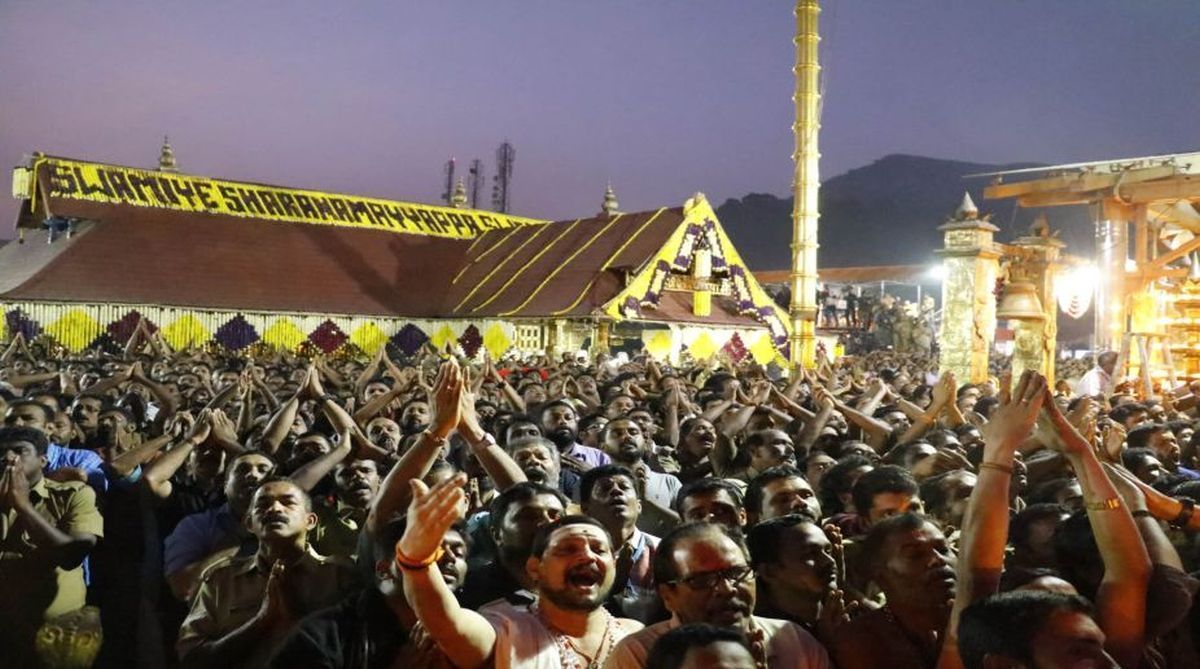
A five-judge Constitution Bench headed by the then Chief Justice Misra had on September 28 last year junked the age-old tradition of the Lord Ayyappa temple by a majority verdict of 4:1.
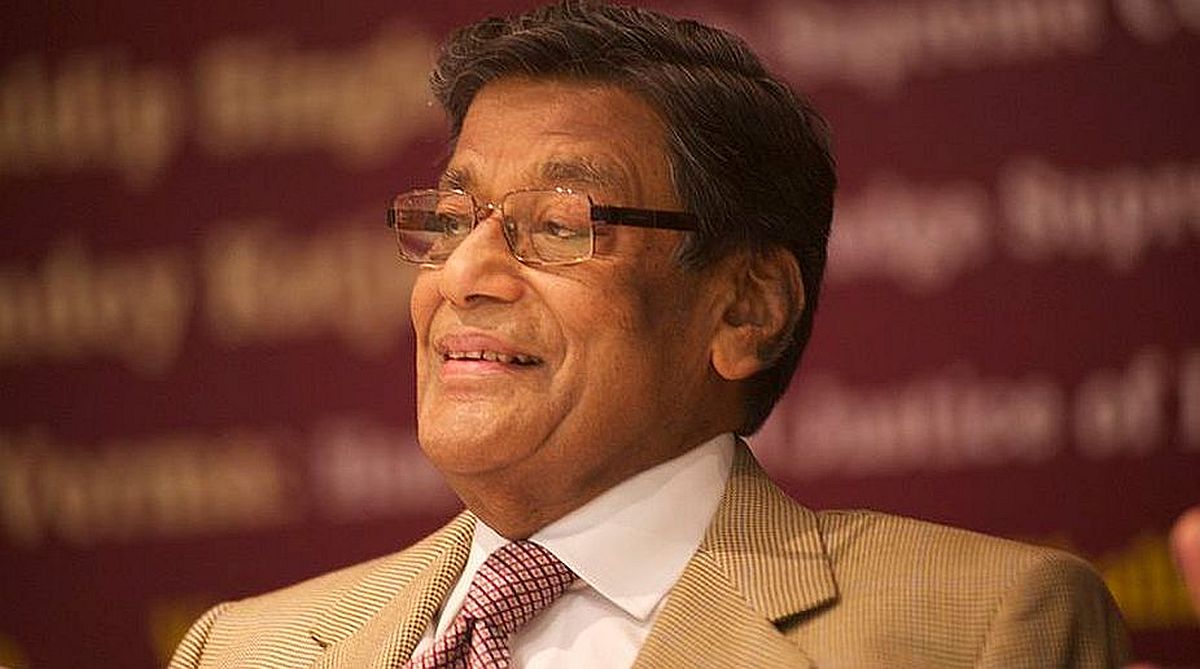
On September 28, a five-judge Constitution bench, headed by the then Chief Justice Dipak Misra, in a 4:1 verdict, had paved the way for entry of women of all ages into Sabarimala temple in Kerala, saying the ban amounted to gender discrimination.
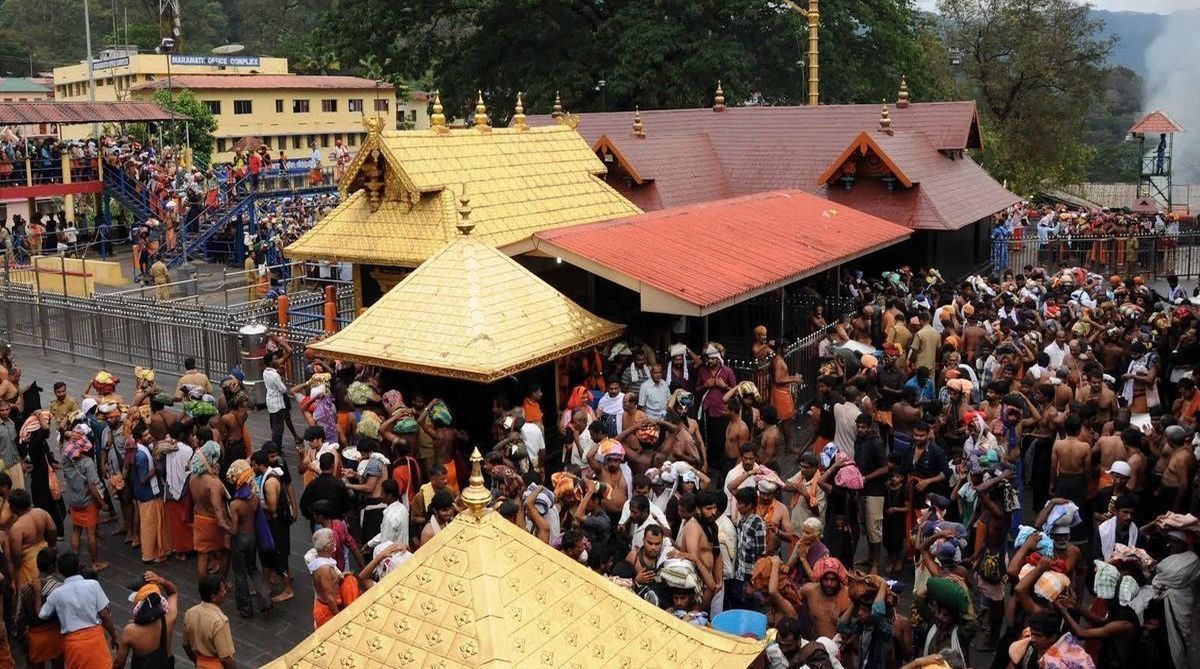
The meeting comes a day after the apex court refused to stay its September 28 verdict, lifting the centuries-old ban on girls and women in the 10-50 age group from entering the shrine.
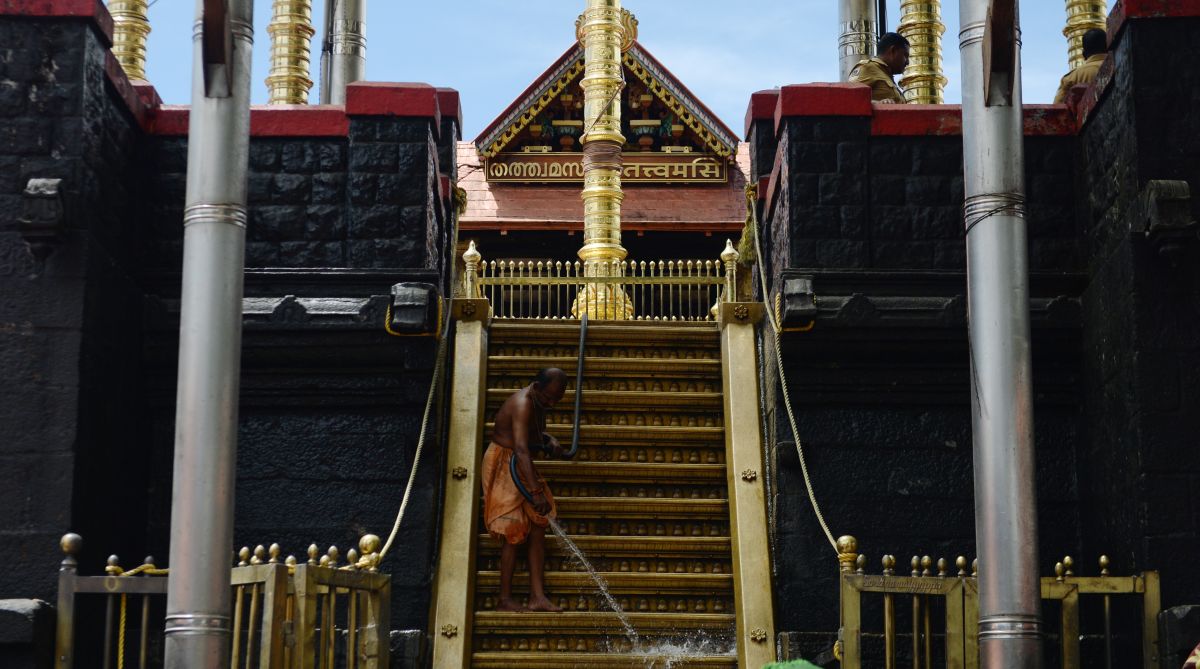
As many as 19 review petitions challenging the Supreme Court's Sabarimala verdict allowing menstruating women entry into the temple are pending before it