Higher gold taxes could backfire again
When governments want consumers to buy less of something, they usually reach for taxes.

When governments want consumers to buy less of something, they usually reach for taxes.

For decades, India has treated the rupee less as an economic instrument and more as a symbol of national prestige.

According to the forex experts, high crude oil prices, and a stronger US dollar have created a volatile situation of the domestic currency amid the ongoing geopolitical tensions.

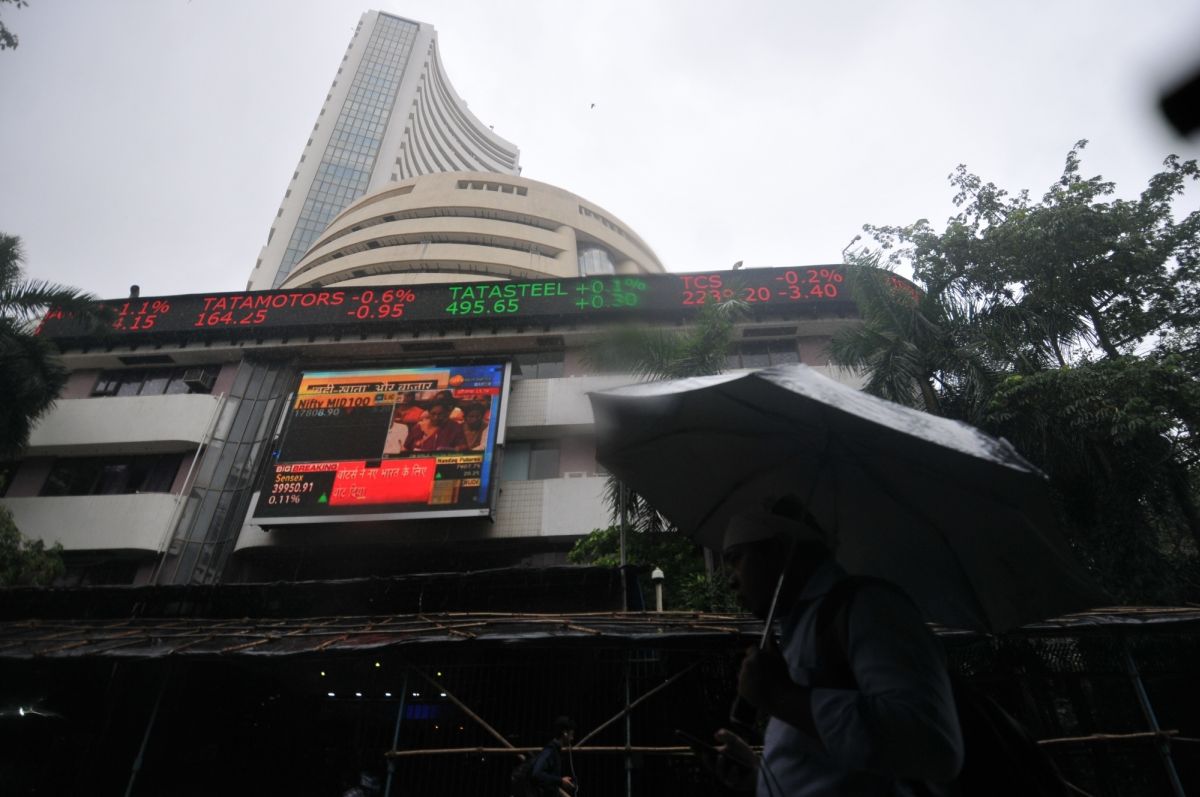
Dalal Street slipped into sharp losses as geopolitical tensions escalated, pushing oil prices higher and triggering fears around inflation, currency pressure and India’s rising import burden.
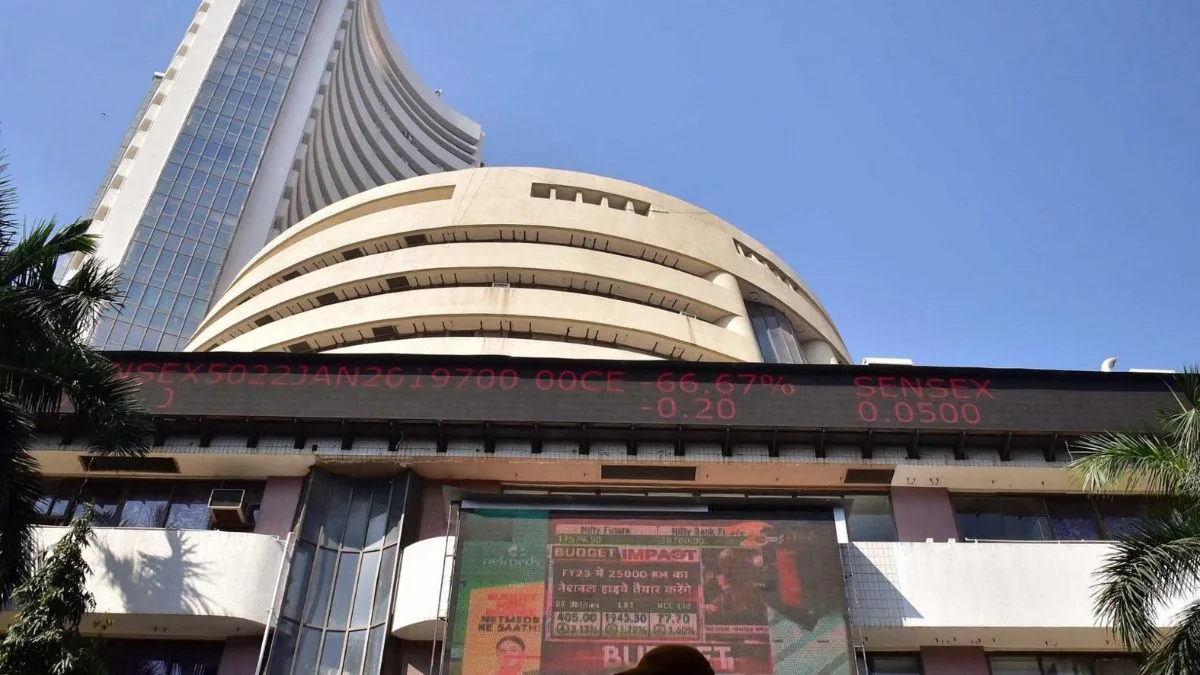
At close, the Sensex was down 533.50 points or 0.63% at 84,679.86, and the Nifty was down 167.20 points or 0.64% at 25,860.10.
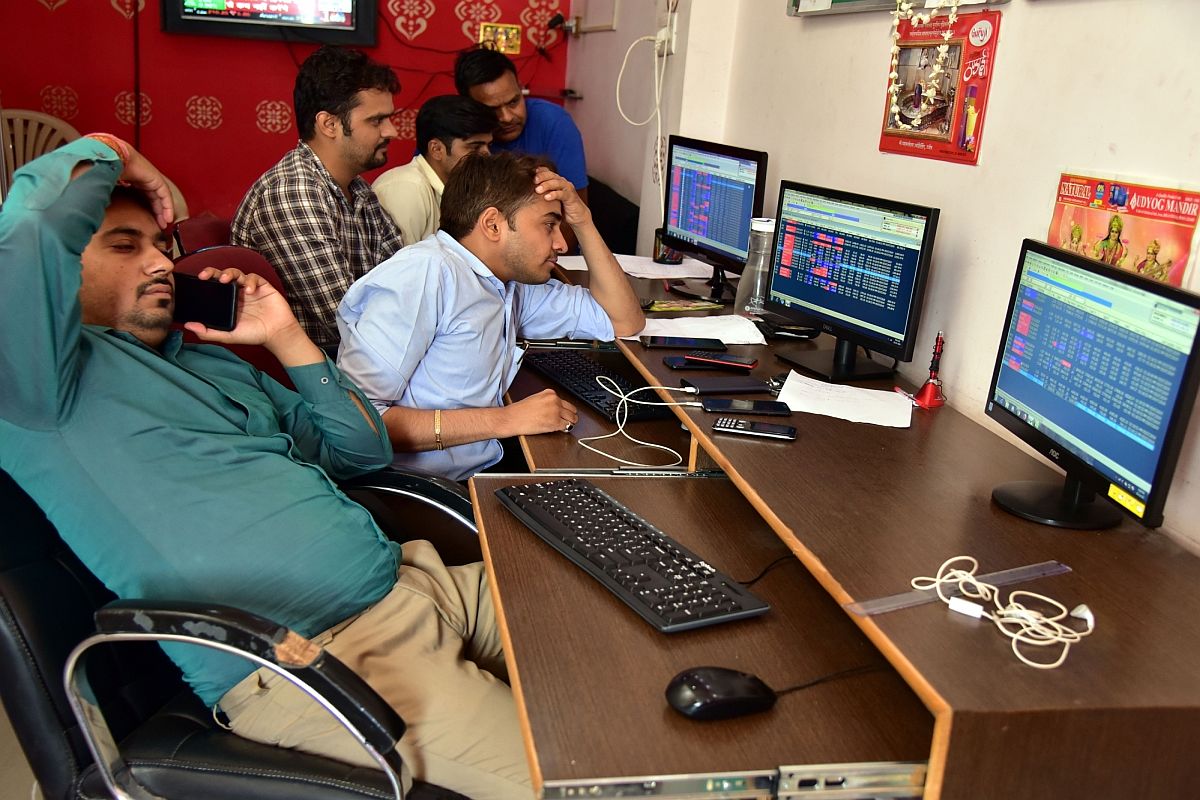
The Indian rupee slipped further by 95 paise to 76.15 against the US dollar in opening trade on Monday amid sharp rise in Coronavirus cases in the country and heavy selling in domestic equities.

Foreign investors remained bearish in Indian capital markets as they pulled out more than Rs 5,085.35 crore on Wednesday, market data showed.

The government slashed the effective corporate tax to 25.17 per cent inclusive of all cess and surcharges for domestic companies.
Forex traders said the rupee traded in a narrow range ahead of the release of retail inflation and factory output data.

A strengthening dollar against major currencies overseas and weak domestic equity market weighed on the local unit, forex traders said. However, softening crude oil prices restricted the rupee's fall, they added.