Higher gold taxes could backfire again
When governments want consumers to buy less of something, they usually reach for taxes.

When governments want consumers to buy less of something, they usually reach for taxes.

For decades, India has treated the rupee less as an economic instrument and more as a symbol of national prestige.

According to the forex experts, high crude oil prices, and a stronger US dollar have created a volatile situation of the domestic currency amid the ongoing geopolitical tensions.

Dalal Street slipped into sharp losses as geopolitical tensions escalated, pushing oil prices higher and triggering fears around inflation, currency pressure and India’s rising import burden.
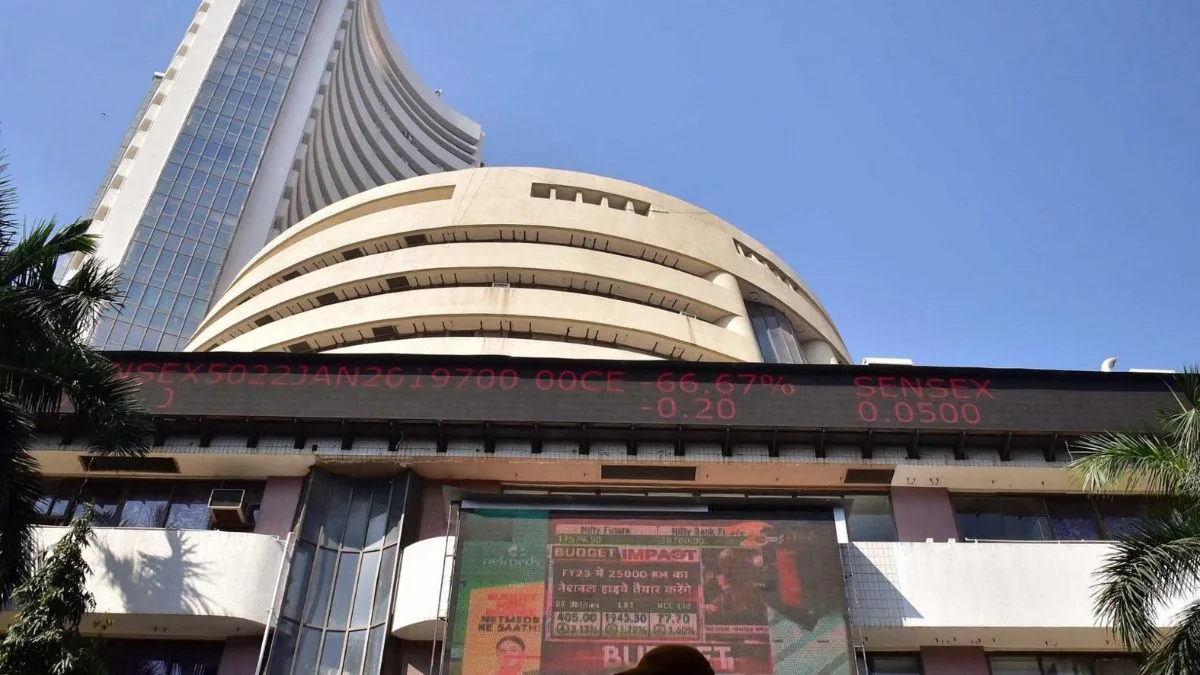
At close, the Sensex was down 533.50 points or 0.63% at 84,679.86, and the Nifty was down 167.20 points or 0.64% at 25,860.10.
The Indian rupee on Friday, depreciated 16 paise to its all-time low of 82.33 against the dollar owing to a rise in US bond yields and climbing crude oil prices.
On Thursday, the rupee plunged 32 paise to close at an all-time low of 81.94 against the US dollar. High volatility in the crude oil market led to the fall of the rupee.
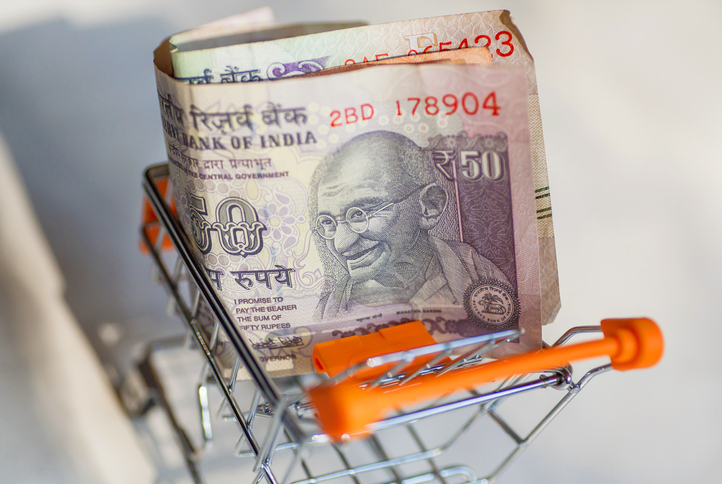
It might be better for the Reserve Bank of India (RBI) to allow the rupee to depreciate a bit, letting it find its natural balance, said Soumya Kanti Ghosh in an SBI research report.
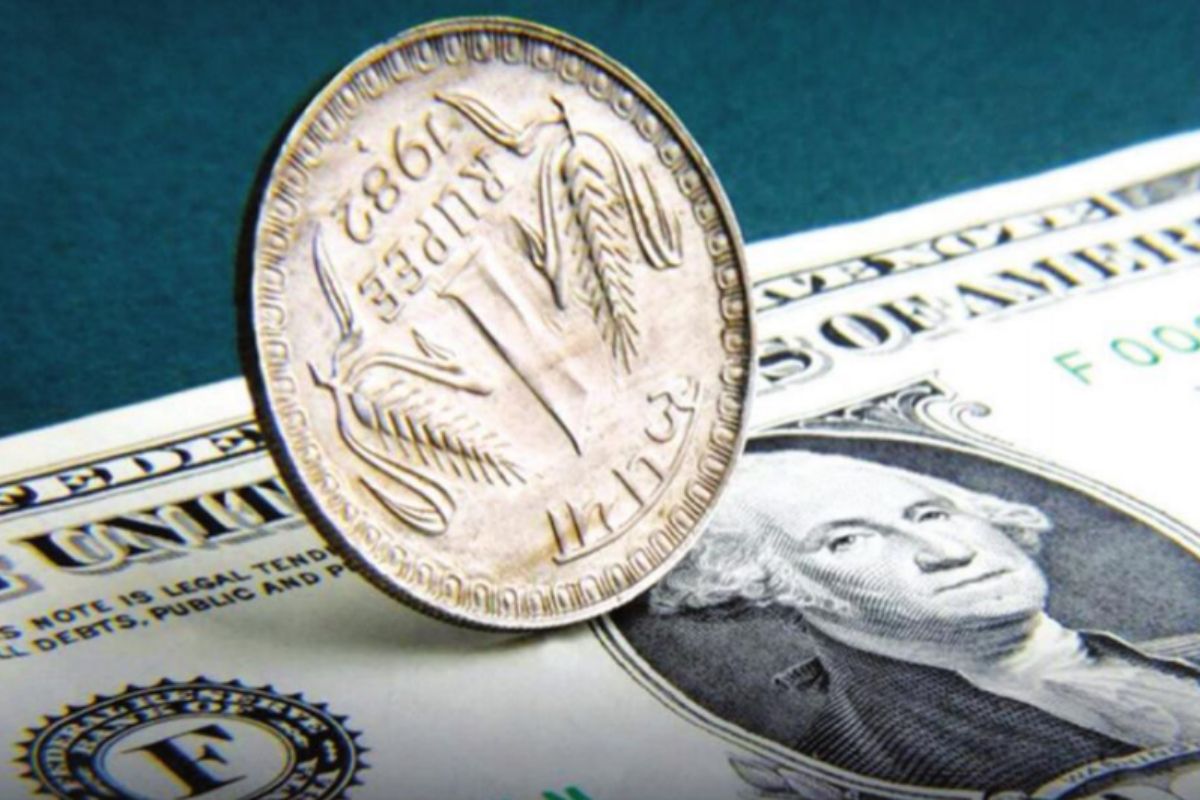
Continuing with the consistent depreciation, the rupee slipped further from the recent low and hit another lifetime low at 81.90 against the US dollar on Wednesday morning. In equity markets, Indian stocks extended their losses for the sixth straight session, dragged largely by broad-based selling in the global equities. At 10.08 am, Sensex and Nifty each traded 0.3-0.4 per cent lower.
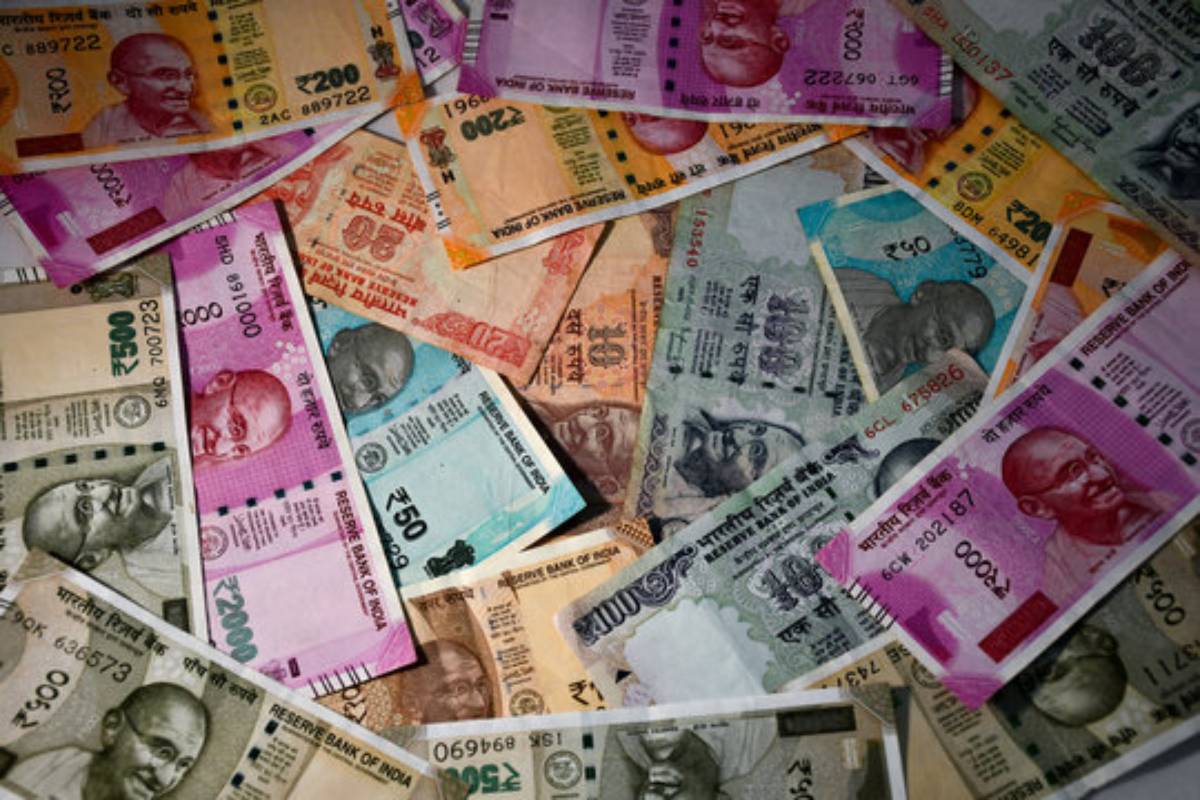
The Indian rupee fell to a new record low of 81.55 against the US dollar on Monday after a sharp uptick in dollar index, dealers said.