After PM’s caution: Pump prices set to go up
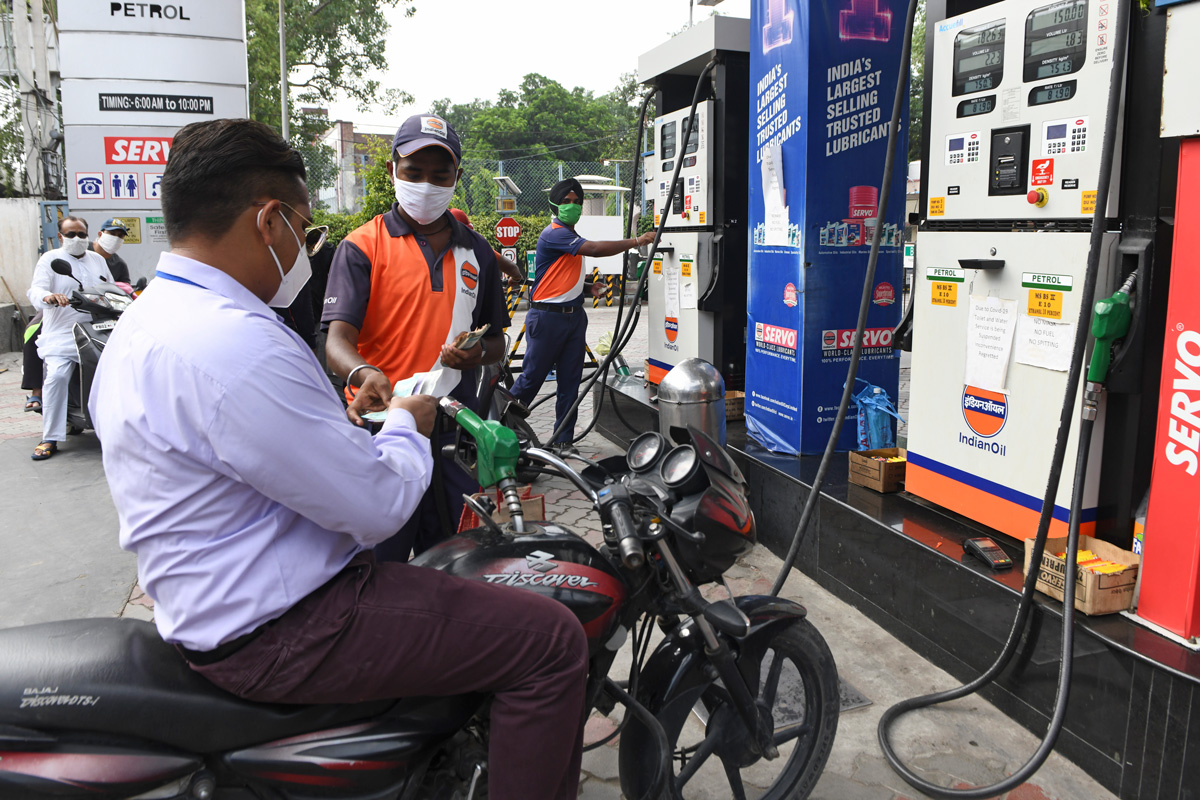
Auto-fuel price hikes in India now appear less a matter of political timing than of economic arithmetic.
ICICI Securities flags a structural shift in global oil coordination after UAE’s OPEC exit, with implications for supply strategy, market volatility, and India’s import outlook.
Markets are losing momentum as rising oil prices and US-Iran tensions fuel fresh inflation worries. Investors are turning cautious, prioritising risk over growth in an increasingly uncertain global landscape.
As US-Iran negotiations advance, Trump signals Pakistan as a potential venue and cautions that the absence of a deal could see hostilities resume.
IMF sees India as a key growth driver even as global expansion weakens, with strong policy frameworks and domestic demand helping cushion external shocks and energy price pressures.
The most serious effect of the Russia-Ukraine war for the world economy will be higher commodity prices. Oil prices will remain above $100/barrel for as long as the conflict rages on, EIU said in its global outlook report.
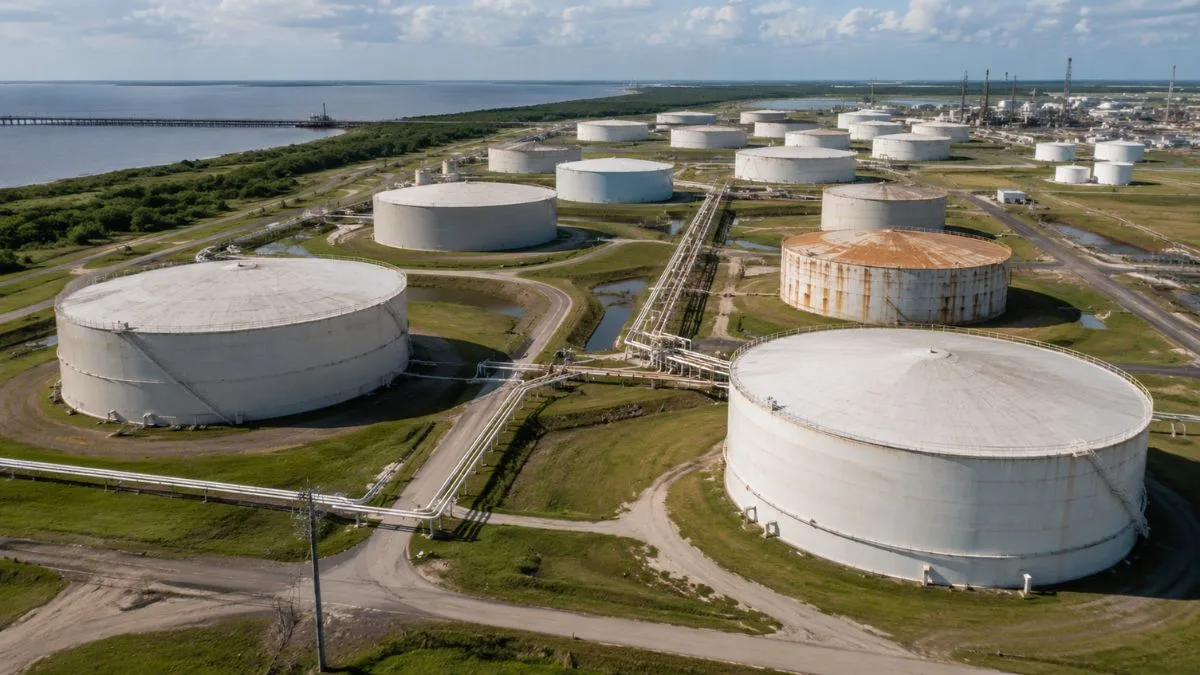
At 423.6 million barrels, US crude oil inventories are about 8 per cent below the five year average for this time of year.
Crude prices have remained firm for the last few weeks in the wake of unilateral production cuts announced by Saudi Arabia and a pick up in consumption in all major economies globally.
India’s financial capital, Mumbai, also witnessed a sharp rise in fuel prices as petrol was being sold at Rs 92.28 a litre while the diesel was priced as Rs 82.66 per litre.
Rates were hiked on two consecutive days - totalling 49 paise for petrol and 51 paise for diesel - before they hit a pause button again.