Haryana’s priority sector credit potential estimated at ₹3.67 lakh crore
He emphasized that these challenges cannot be addressed through conventional methods alone, but require innovation, technology and strong institutional financial support.
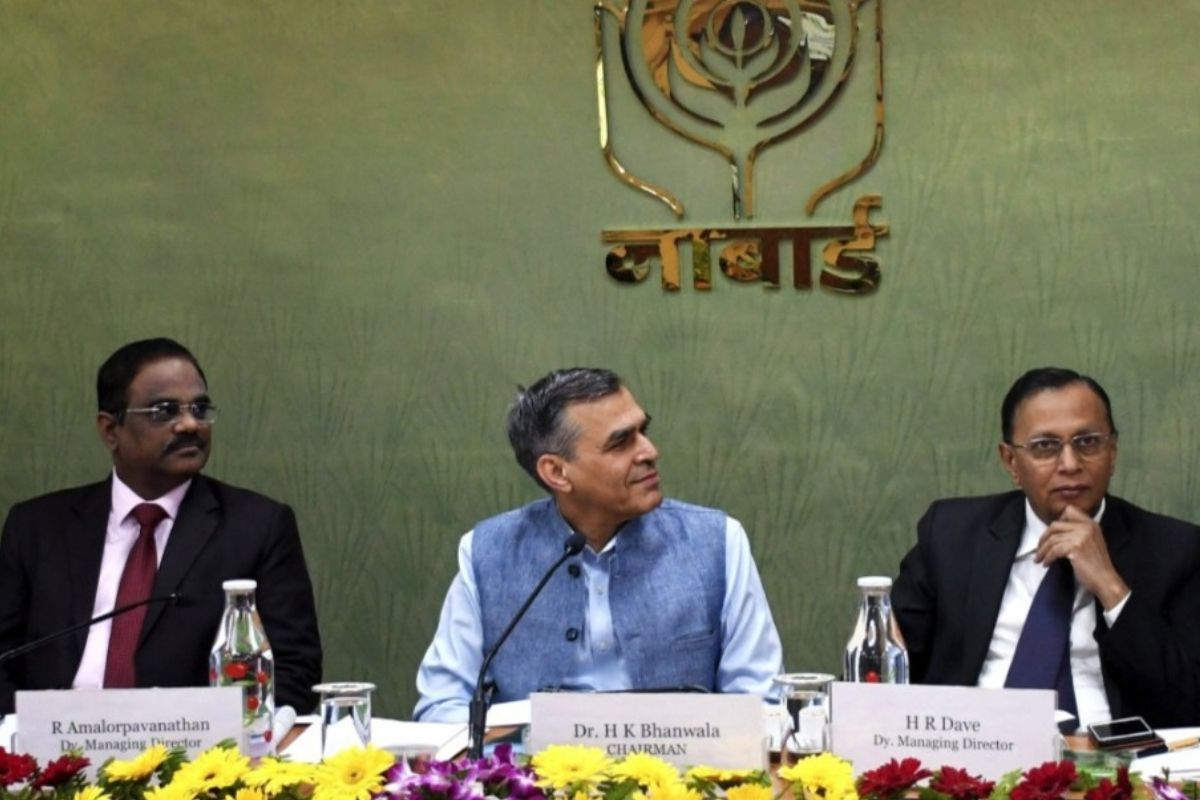
The workshop held on Friday reaffirmed NABARD’s commitment to strengthening Ground Level Credit (GLC) and development initiatives in the National Capital Territory (NCT) of Delhi.
The Government has also approved pension and family pension revisions for retirees of the Reserve Bank of India (RBI) and NABARD.
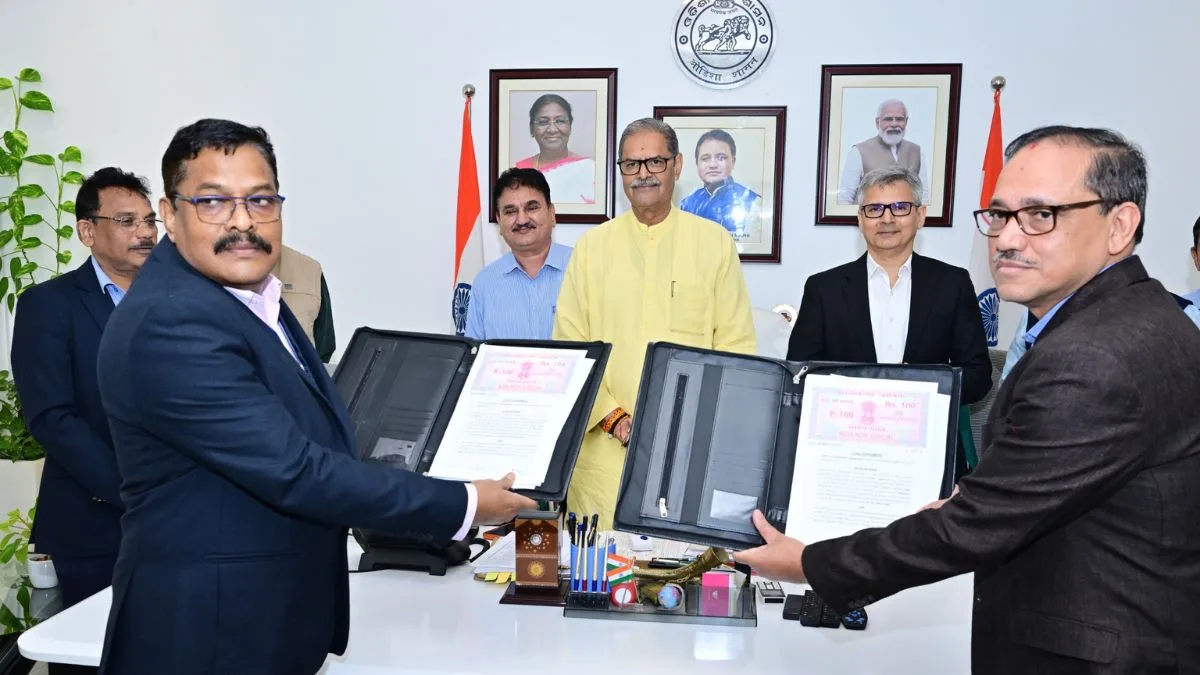
The partnership of this nature will go a long way in the development of power infrastructure in Odisha.
The workshop focused on the automated soil testing machine ‘Dharti Ka Doctor (DKD)’, with the objective of promoting long-term soil health, sustainable agriculture, and strengthening India’s global position in food security.
According to NABARD’s latest All India Rural Financial Inclusion Survey (NAFIS), the annual average nominal GDP growth during the same period was 9%.
Jammu and Kashmir Chief Secretary Atal Dulloo on Friday stressed on ensuring timely completion of road projects in the Union territory by closely monitoring their pace on ground.
The RBI said that the regulation would be effective from April 24, 2024. ARCs, as on October 11, 2022, have been provided a glide path to achieve the minimum required Net Owned Fund (NOF) of Rs 300 crore.
Notably, the total credit flow under the priority sector for the year 2024-25 is estimated at Rs 2,43,093 crore.
This was informed by Usha Ramesh, chief general manager of NABARD, West Bengal regional office, Kolkata during the State Credit Seminar organized by NABARD on Saturday.