Towards a water-smart India
With the onset of monsoon rains this year, a lesser-known but profoundly significant initiative has quietly taken root across the country’s ecologically sensitive terrains, a first-ever national census of springs.
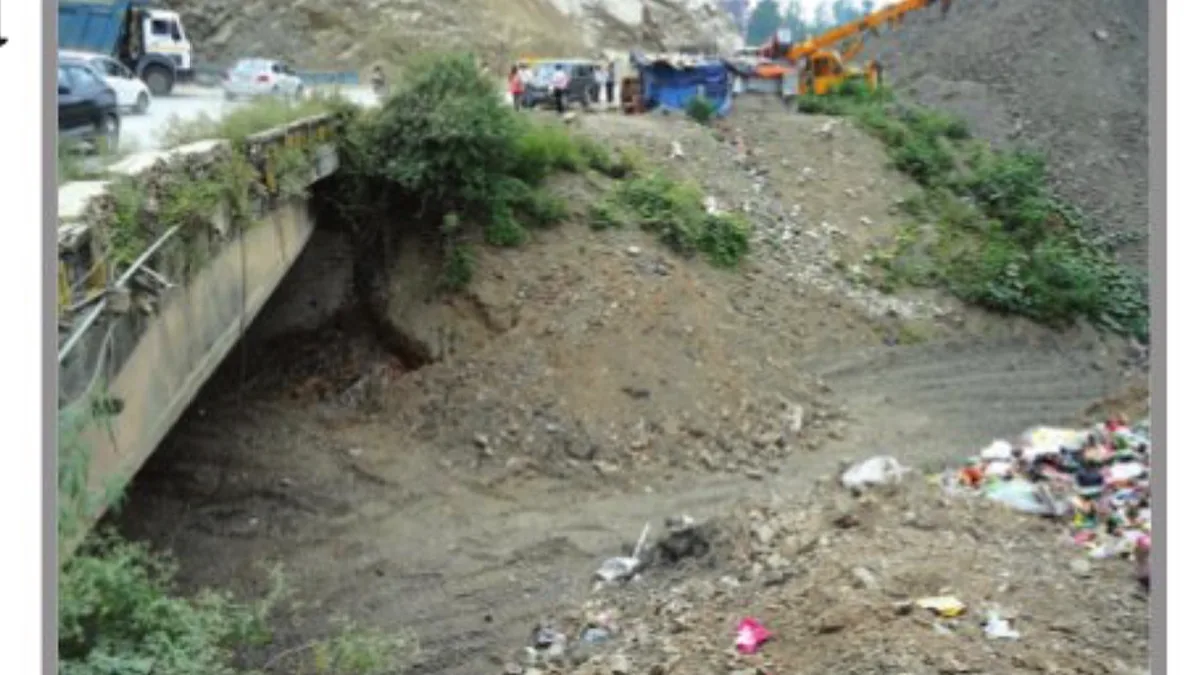
With the onset of monsoon rains this year, a lesser-known but profoundly significant initiative has quietly taken root across the country’s ecologically sensitive terrains, a first-ever national census of springs.
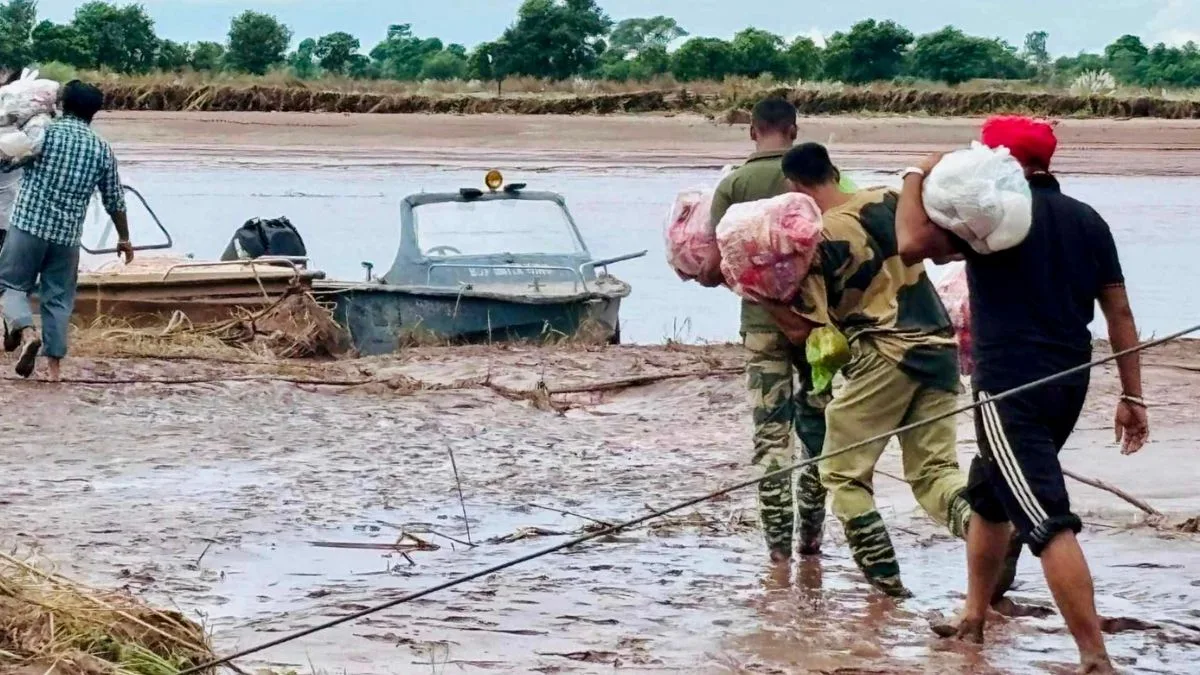
From Punjab, Haryana and Delhi-NCR, to the hilly states of Himachal Pradesh, Uttarakhand, and Jammu and Kashmir, heavy rains over the last few days have caused floods, landslides and waterlogging, throwing normal life out of gear.

A sudden downpour was reported during afternoon hours from several areas in Delhi, including Pragati Maidan, ITO, Barakhamba Road, Lodi Road, and adjoining areas.
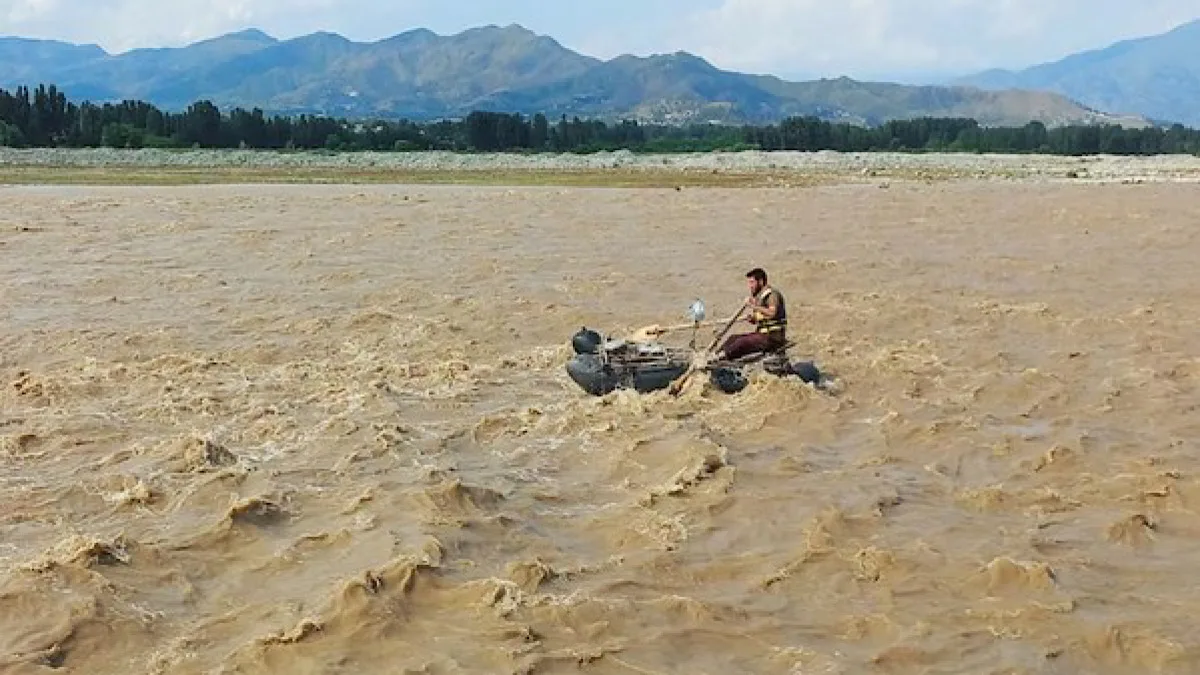
At least 11 people have died and numerous others were injured as intense monsoon rains swept through Pakistan's Lahore, surrounding districts in Punjab Province, and parts of Balochistan

While monsoon rains have already made a premature entry into several parts of India, South Bengal continues to wait for its share of seasonal showers.

Experts point at reasons beyond the meteorological factors, such as climate change and unplanned development, for the catastrophic landslides.

The limited supply of vegetables, particularly tomatoes are due to crop damage caused by heavy rainfall and extreme heat.
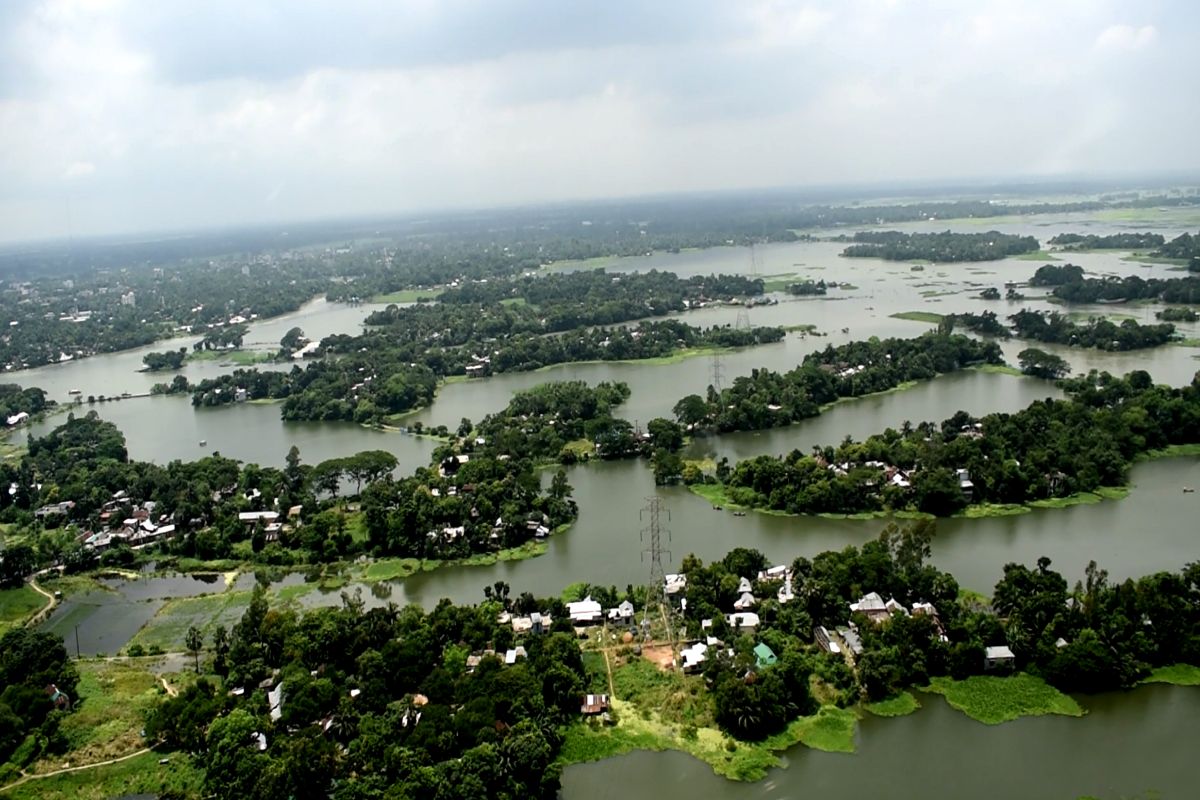
It is estimated that more than 7 million people have been affected by the floods in the last few days.
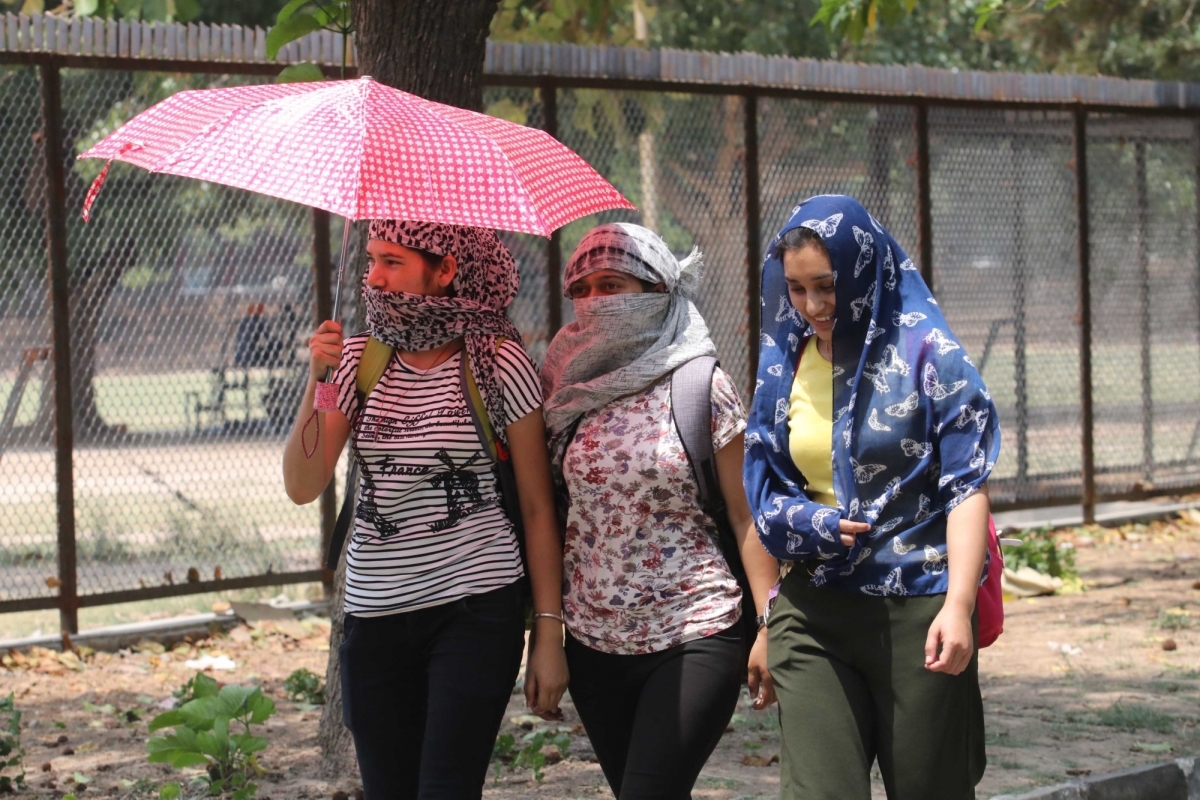
Even as heavy rains lashed India’s south, the heat wave continued its merciless brutality in the north.
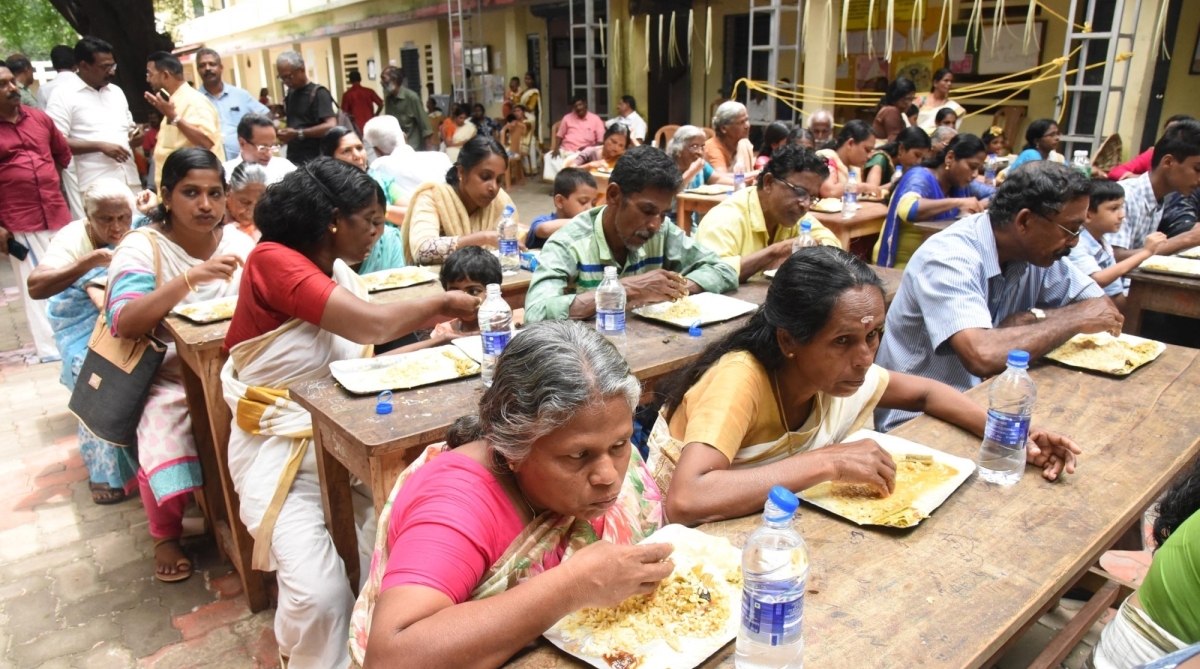
Survivors of Kerala's worst floods in a century on Saturday set aside their misery, even if only temporarily, to celebrate Onam in numerous relief camps across the state, relishing the traditional Onam "sadya" or lunch.