Punjab govt rolls out VB-G RAM G to strengthen rural employment guarantee
The Minister said that while MGNREGA remained operational till June 30, 2026, the VB G RAM G scheme came into effect from July 1.
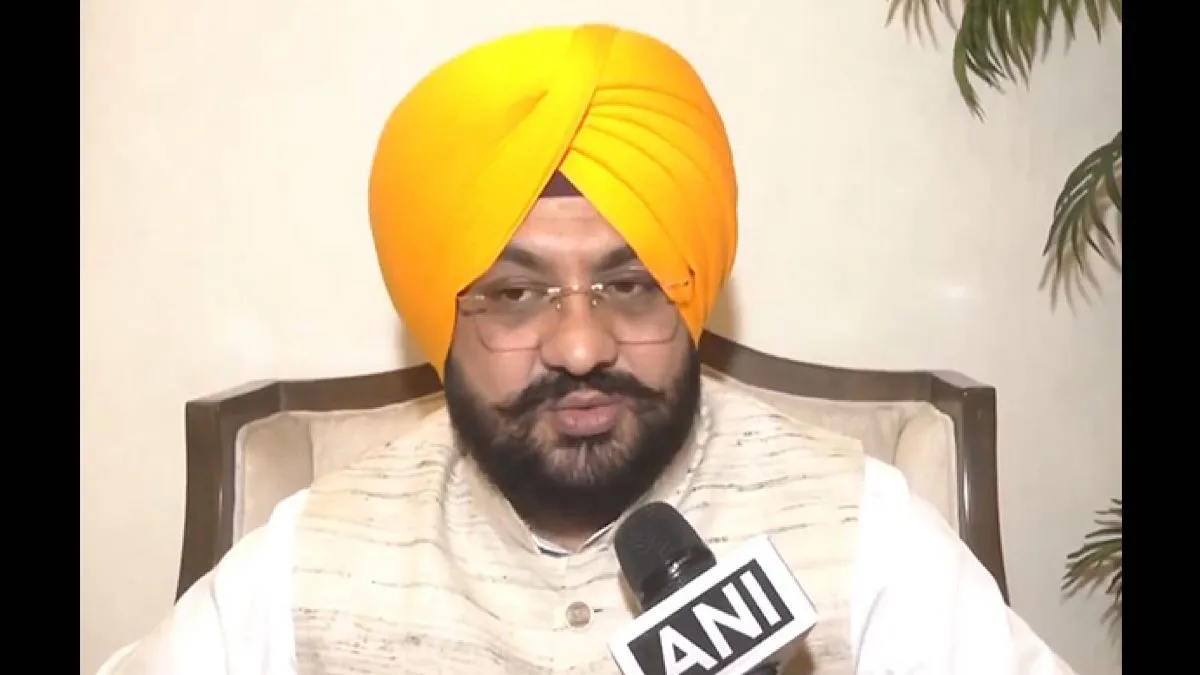
The Minister said that while MGNREGA remained operational till June 30, 2026, the VB G RAM G scheme came into effect from July 1.
A major change in the rural employment system has come into effect across Uttar Pradesh and the rest of the country with the Government of India officially replacing the MGNREGA with the Viksit Bharat-Guarantee for Rozgar and Ajeevika Mission Gramin (VB-G RAM G) Act.

The Jharkhand government urged the Centre to release around Rs 900 crore pending under the material component of the Mahatma Gandhi National Rural Employment Guarantee Act (MGNREGA) and raise the daily wage rate for workers to Rs 433, flagging the impact of delayed payments and rising rural distress.

The Congress on Monday intensified its attack on the Centre over the proposed rollout of the Viksit Bharat–Guarantee for Rozgar and Ajeevika Mission (Gramin) Act, 2025, accusing the Narendra Modi government of attempting to centralise authority and dilute the legal protections available to rural workers under MGNREGA.
Jharkhand on Saturday raised concerns over pending MGNREGA dues, low wage rates and the proposed funding pattern under the Centre’s new rural scheme during a virtual meeting chaired by Union Rural Development Minister Shivraj Singh Chouhan.
The programme was unveiled at a press conference at the Pradesh Congress Headquarters by Leader of the Uttar Pradesh Congress Legislature Party, Aradhana Mishra ‘Mona’, who said the party was ready to take on the BJP government over issues of democracy, constitutional values and people’s rights.
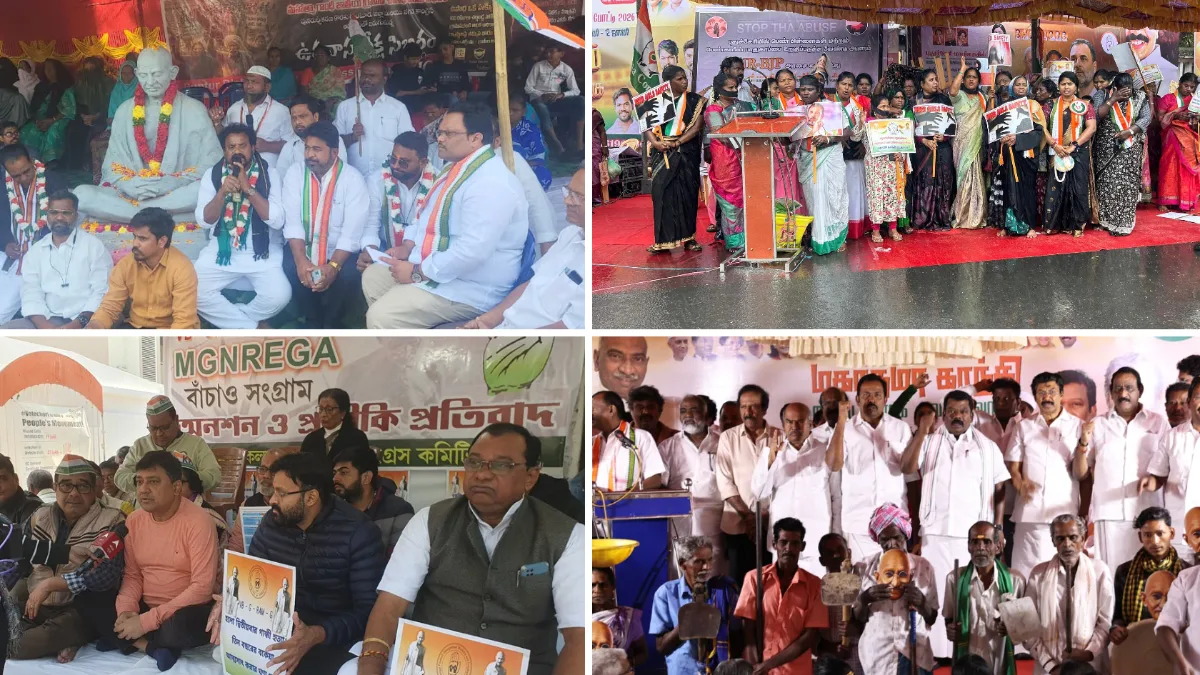
Indian National Congress (INC) has announced that the party will hold agitations today at multiple locations across the country and observe a fast against the Centre’s decision to replace MGNREGA with Viksit Bharat - Guarantee for Rozgar and Ajeevika Mission (Gramin) (VB--G RAM G) Act.
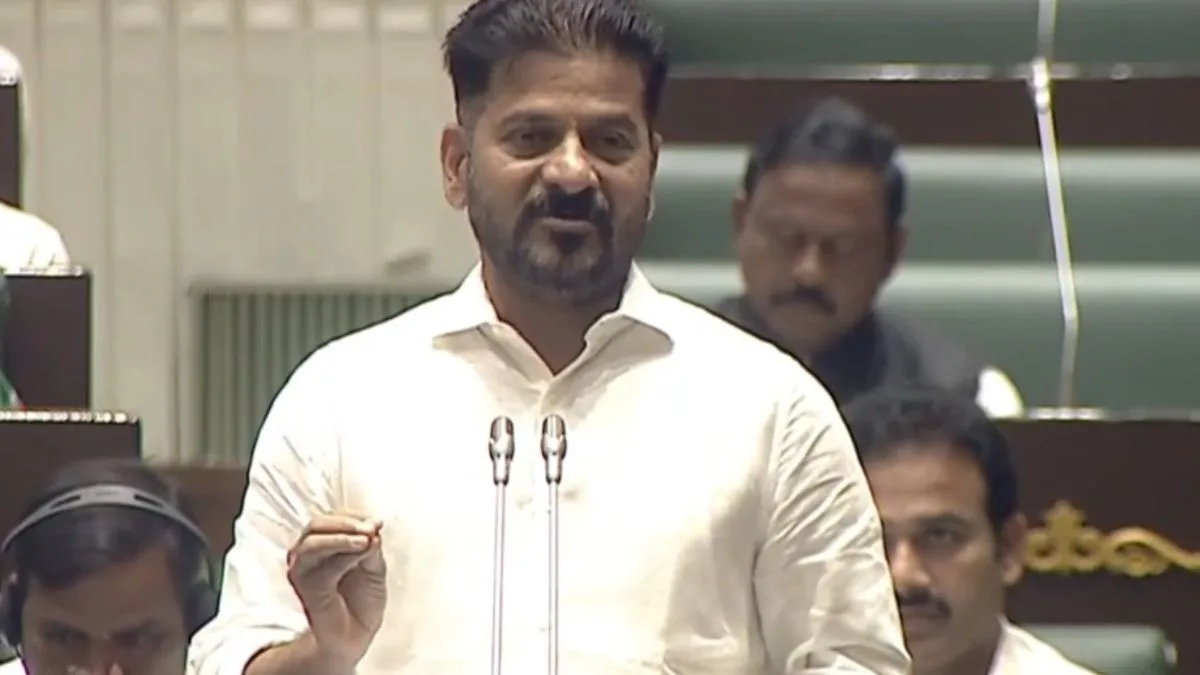
Addressing a meeting at the state headquarters of the Congress, the chief minister alleged, “Today, there is a dearth of labour for big industrialists like Adani and Ambani. If MGNREGA is abolished, the rural poor would again migrate to the cities and Adani and Ambani will get labour at lower wages.”
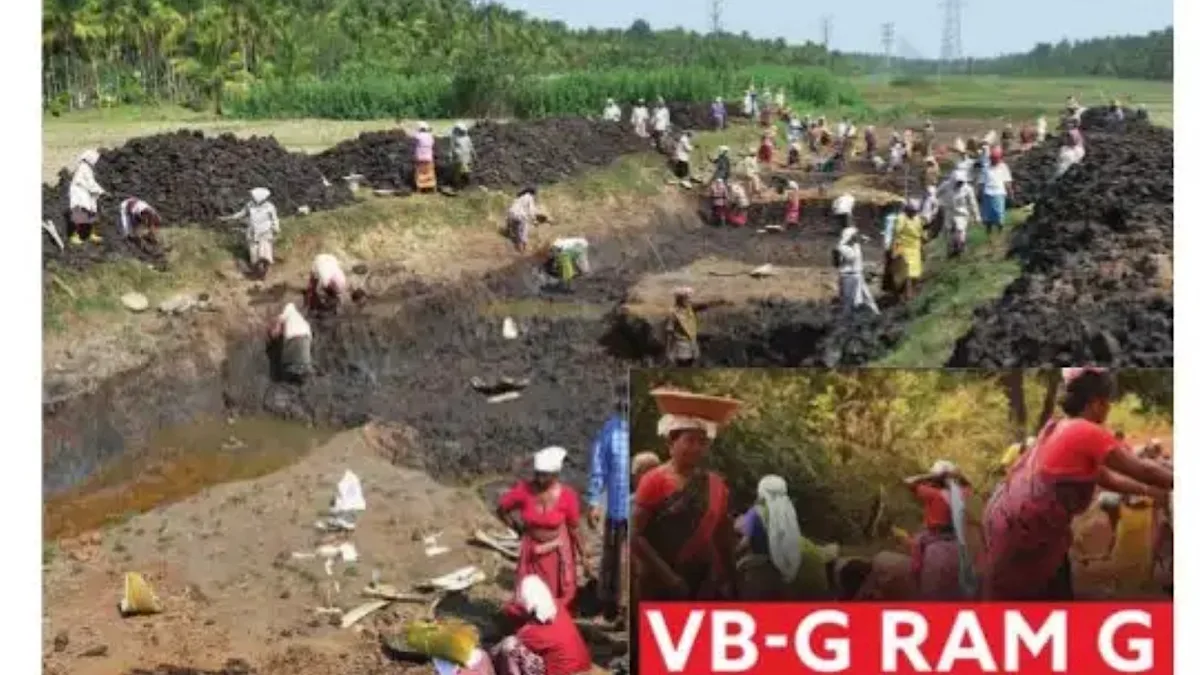
In the vast expanse of India’s rural heartland, where the rhythm of life still pulses to the beat of monsoons and harvests, a seismic policy shift is underway.
India’s journey towards Viksit Bharat @2047 cannot be charted on the strength of urban growth alone. Nearly two-thirds of the country’s population still lives in rural and semi-rural areas, and their productivity, incomes, and resilience will determine whether India’s economic rise is inclusive and sustainable.