Logo

Mahatma Gandhi

Chambal issues one more call for peace

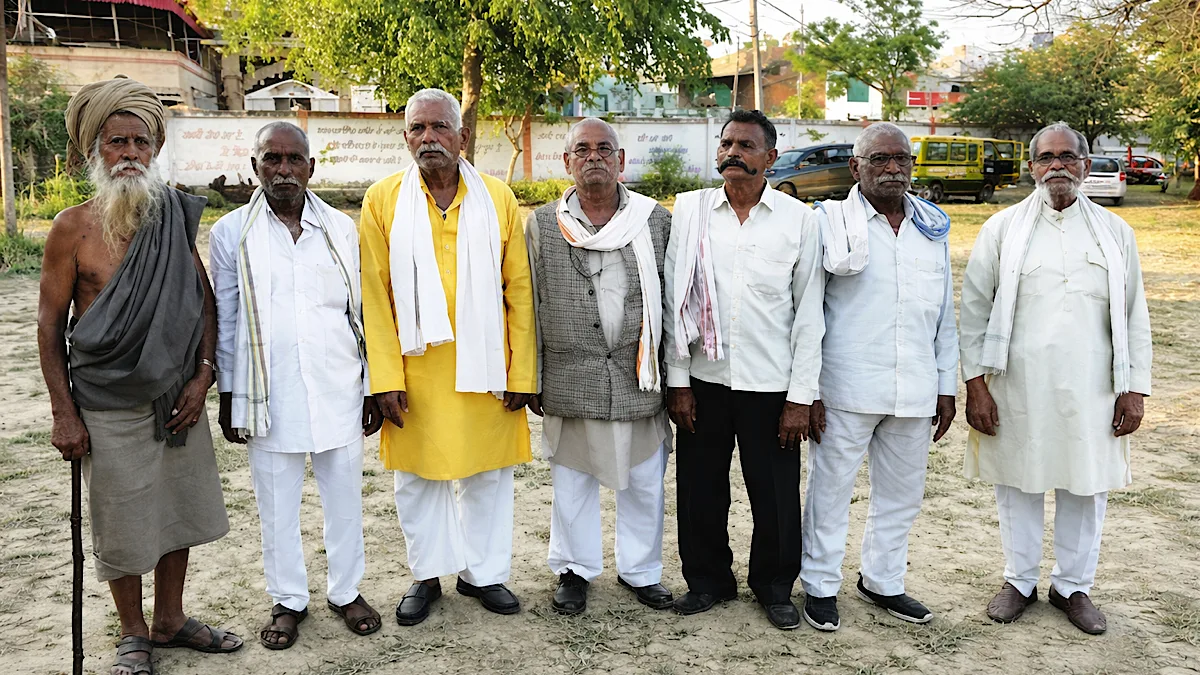
It was over five decades back in 1972 that hundreds of dacoits, or baagis as they are called locally, voluntarily surrendered in Chambal valley of central India as part of a wider and inspirational social initiative for significant, beneficial, and durable social change achieved by non-violence.


Salt March and the birth of mass disobedience

In the early morning of 6 April 1930, on the quiet shores of the Arabian Sea at Dandi in Gujarat, Mahatma Gandhi bent down, picked up a handful of salt, and quietly defied the law of the British Empire.

A life in pursuit of human dignity

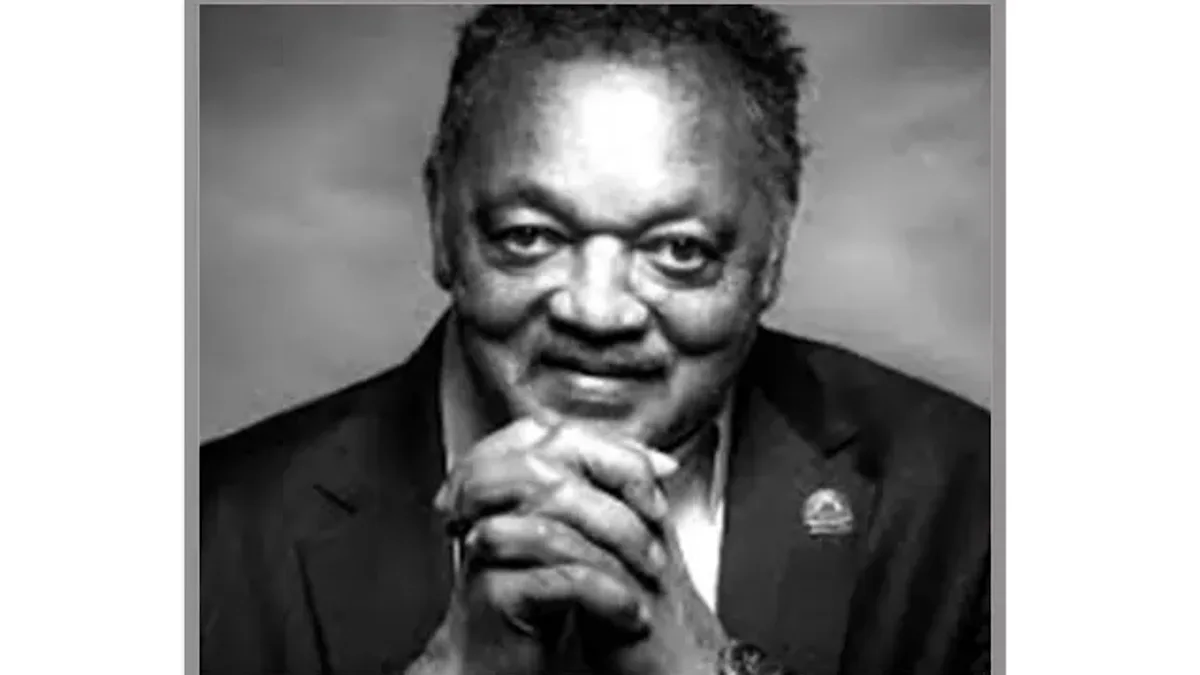
On 17 February, the world lost one of its most resonant voices for equality - Reverend Je sse L . Jackson, Sr., who passed away at the age of 84.

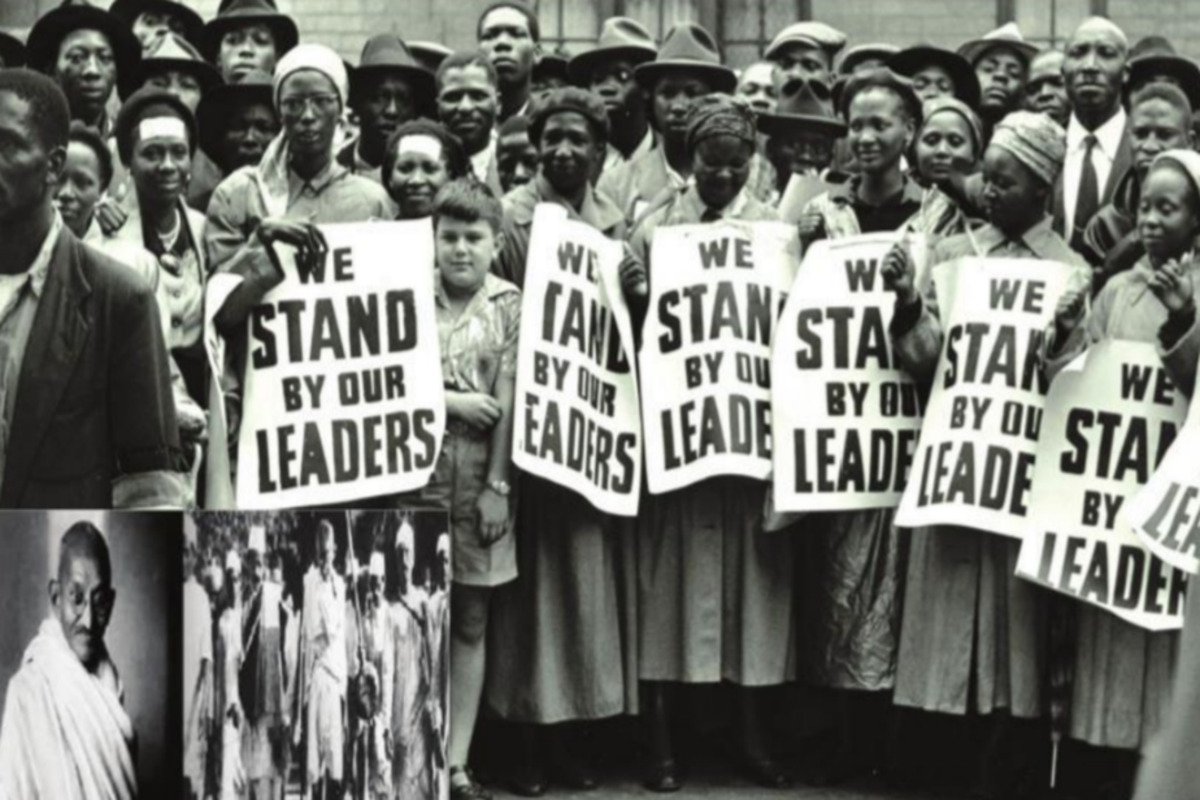
Apartheid Bond

Even Mahatma Gandhi, who had his own tryst with apartheid in South Africa and who sympathized with the Jews owing to the unprecedented pain and persecution they faced at the hands of Nazis, was able to nuance his views on the Israel-Palestine issue with the comment, ‘Palestine belongs to the Arabs in the same sense that England belongs to the English, and France to the French‘

A Man of God~II

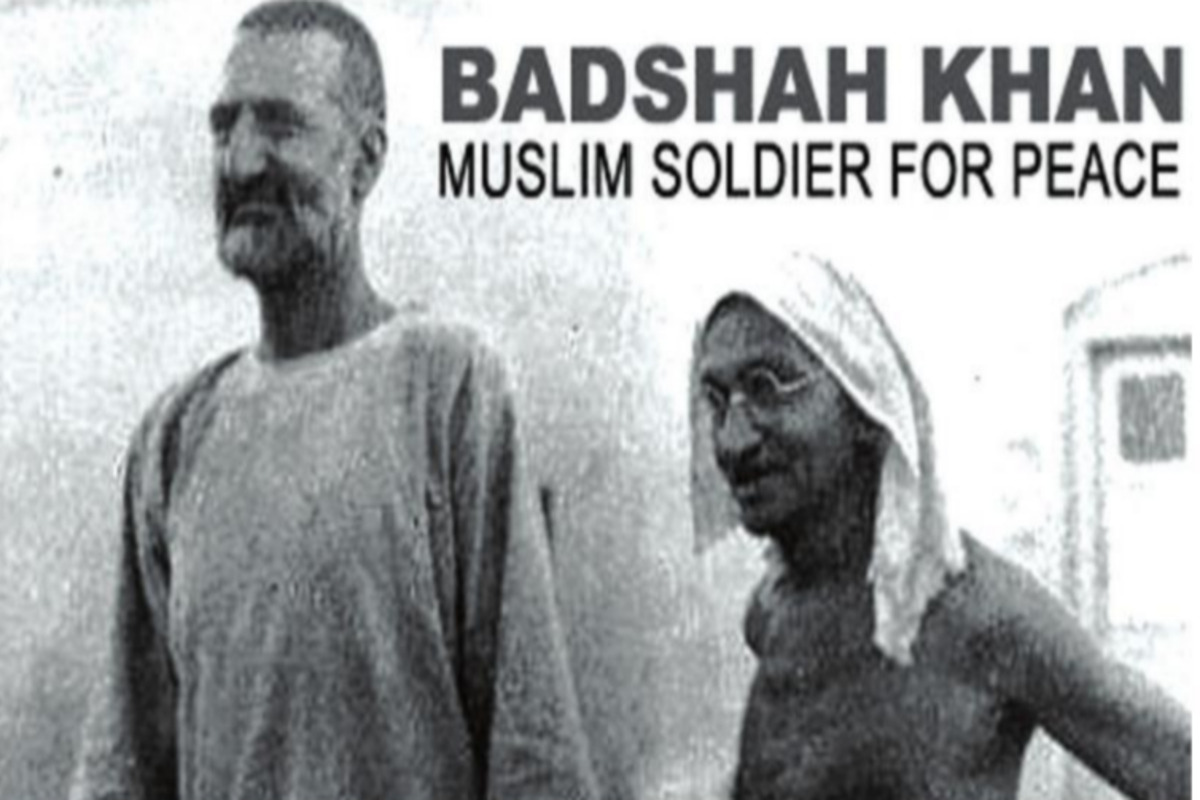
To the British, a non-violent Pathan was unthinkable, a fraud that masked something cunning and darkly treacherous. In the most horrifying case, the British killed about 400 Khudai Khidmatgar members in Peshawar on 23 April 1930. The massacre at the Qissa Khawani Bazaar became a defining moment in the non-violent struggle to drive the British out of India