Explainer: Why is India making it harder for ISRO scientists to resign?
The memorandum, issued on July 14, was signed by SR Rajashekar, Joint Secretary (Personnel), Department of Space.

The memorandum, issued on July 14, was signed by SR Rajashekar, Joint Secretary (Personnel), Department of Space.
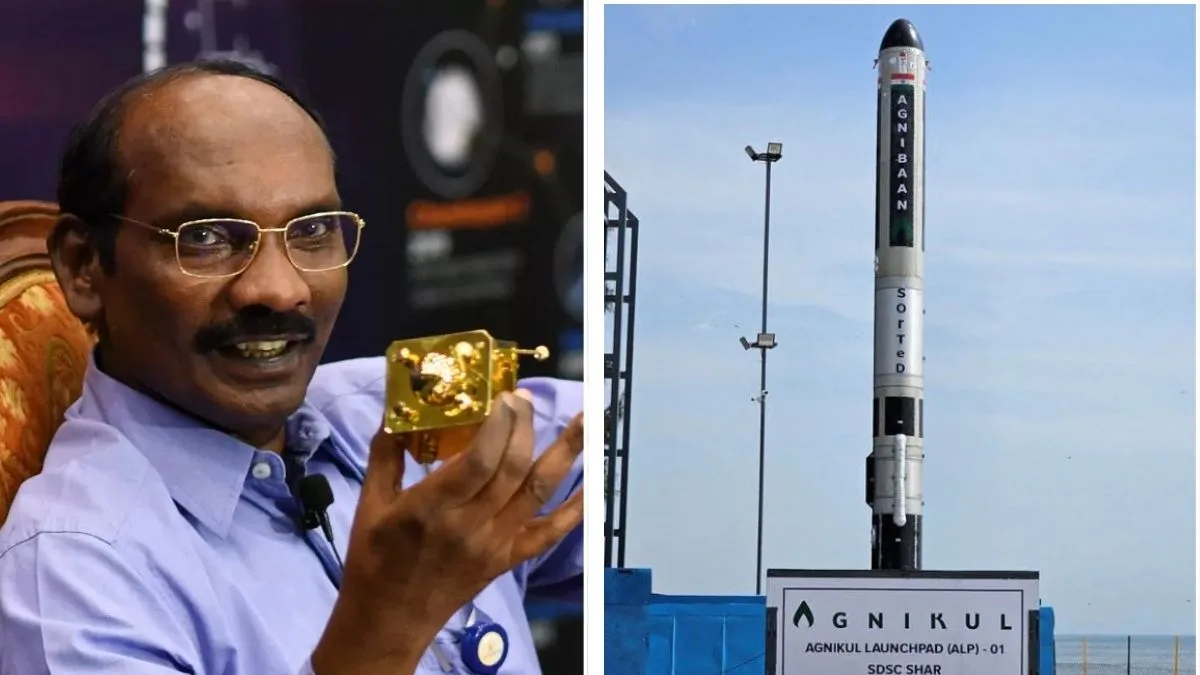
India's private space sector is preparing for a defining moment as Agnikul Cosmos targets technologies that could make rocket launches cheaper and more sustainable.
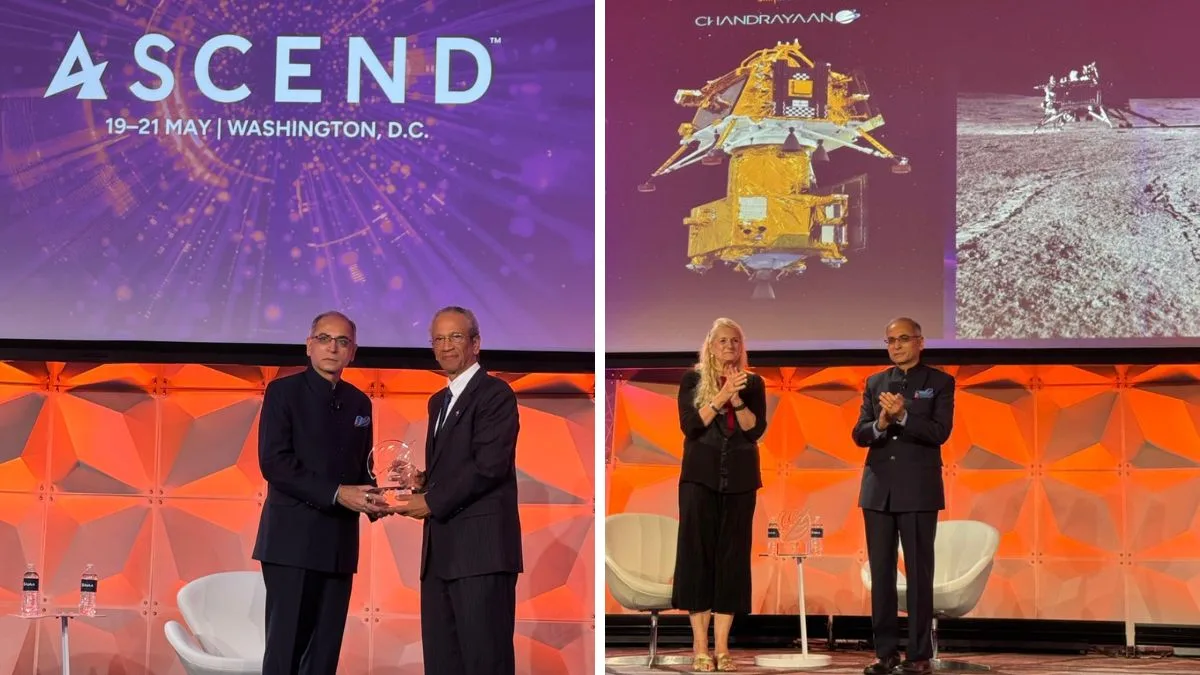
Chandrayaan-3’s successful Moon south pole landing has earned India one of the world’s most prestigious astronautics honours at a major conference in Washington DC.
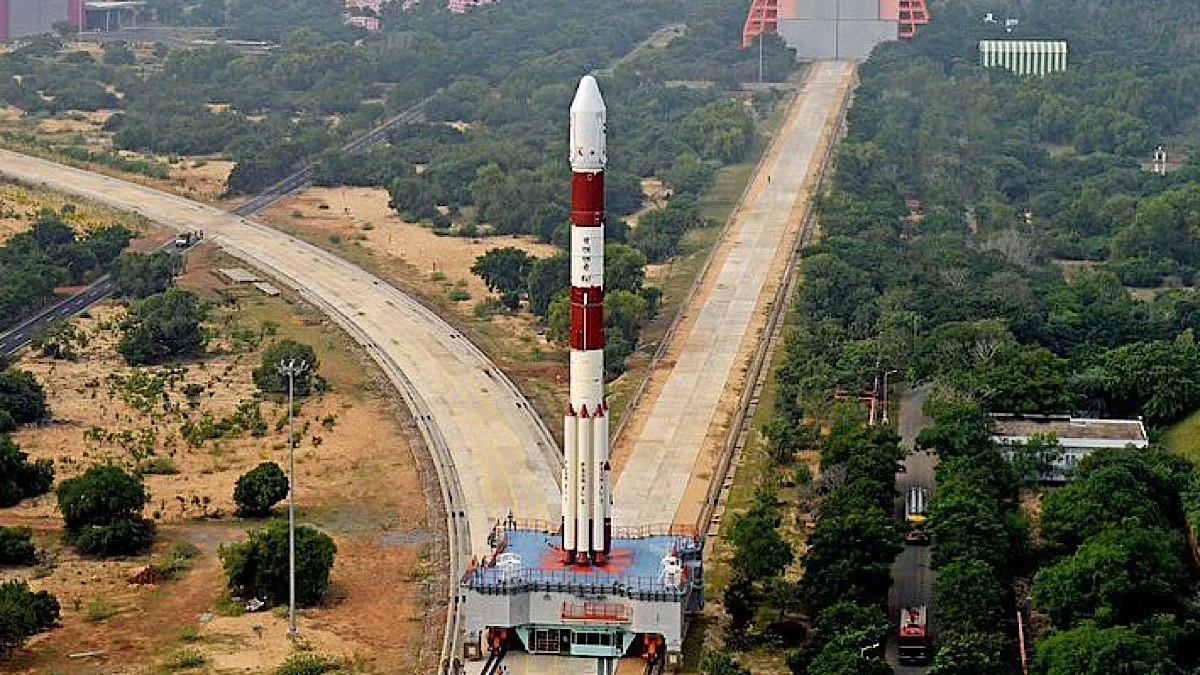
A two-member committee has been formed by the Indian government to probe the recent failure of the rocket Polar Satellite Launch Vehicle (PSLV) that carried the country’s strategic satellite, it is reliably learnt.
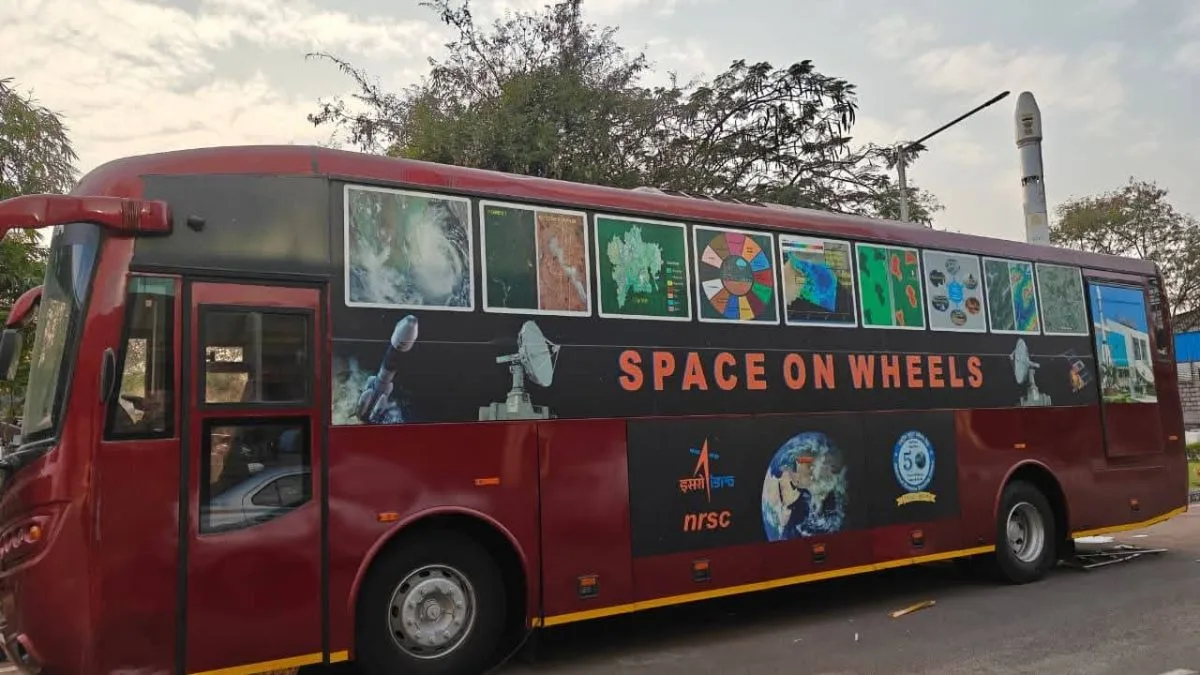
A state-of-the-art travelling exhibition, Space on Wheels, showcases ISRO’s journey, major scientific milestones, and India’s achievements in space science and technology
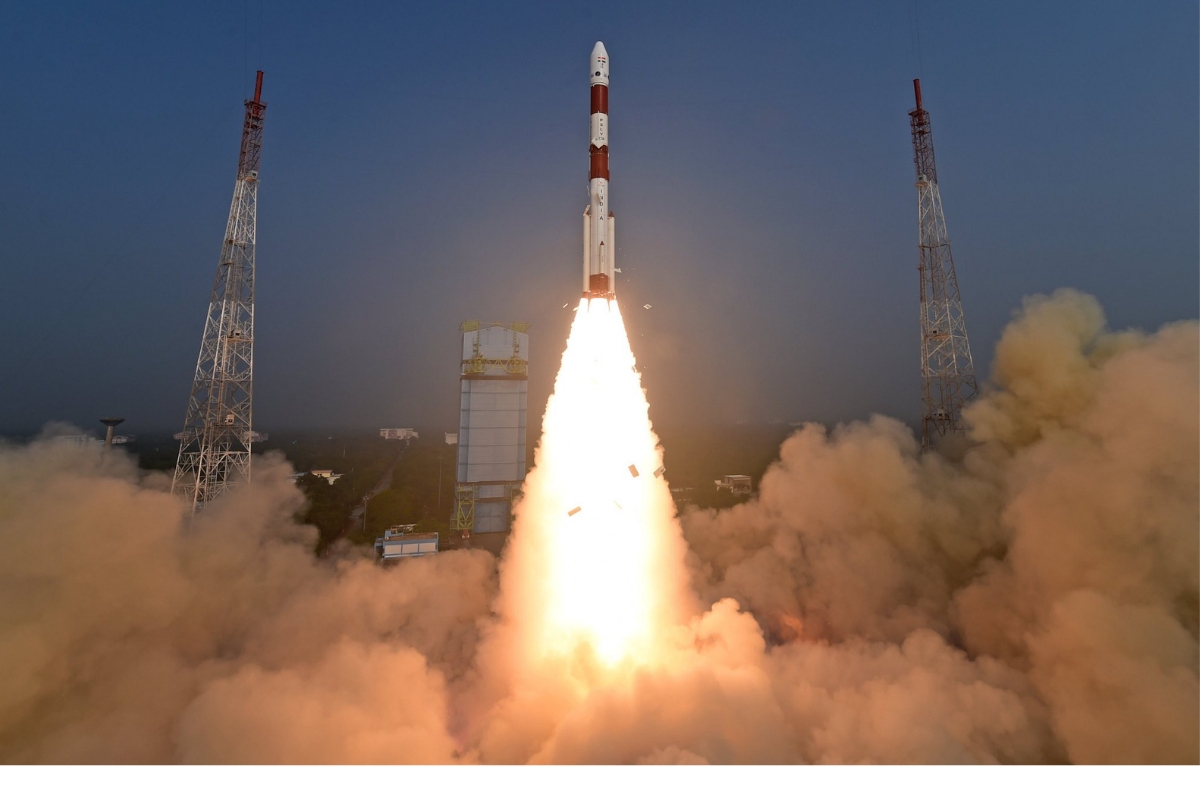
On the first day of new year 2024, the Indian Space Research Organisation (ISRO) on Monday launched the XPoSAT or…
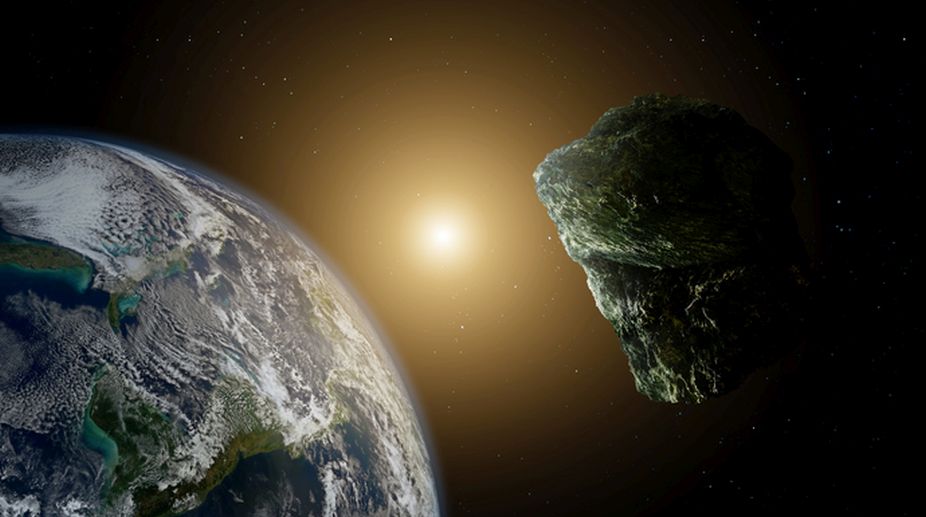
Astronomers hold a profound fascination with asteroids. These remnants are a relic from the formation of the solar system around 4.5 billion years ago, emerging from the collapse of a dust and gas cloud into a disc that eventually shaped the sun and its planets
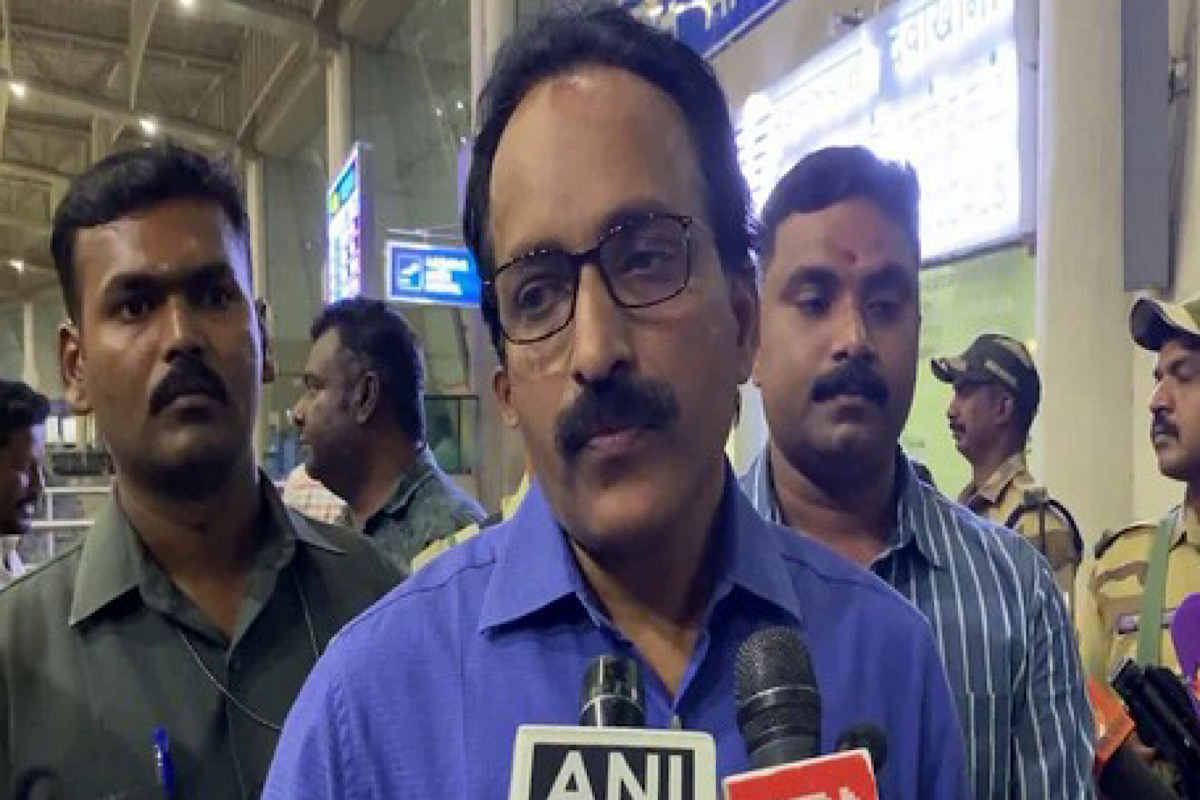
The Propulsion Module (PM) of the Chandrayaan-3 spacecraft, which was initially intended for lunar operations, was successfully returned to Earth's orbit by ISRO after exceeding its lunar mission objectives, demonstrating India's ability to not only launch objects to the Moon but also bring them back.
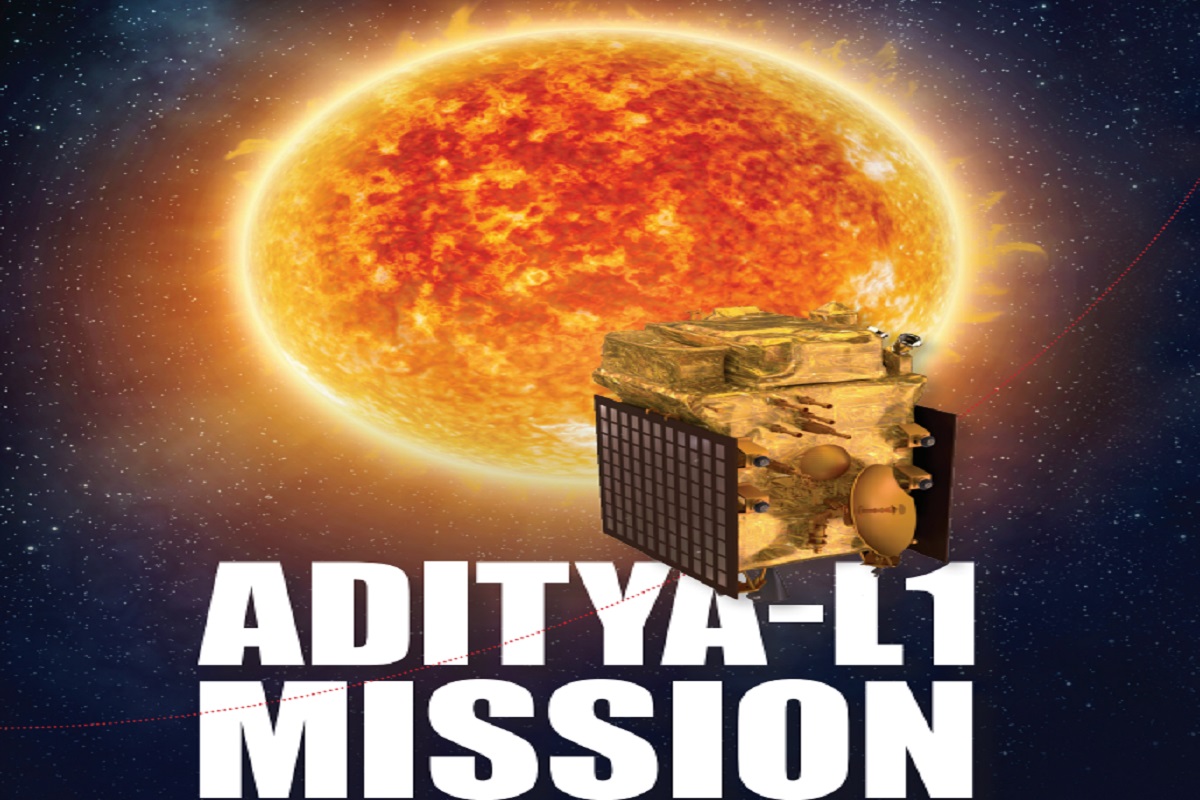
Aditya-L1 is ISRO first solar mission.
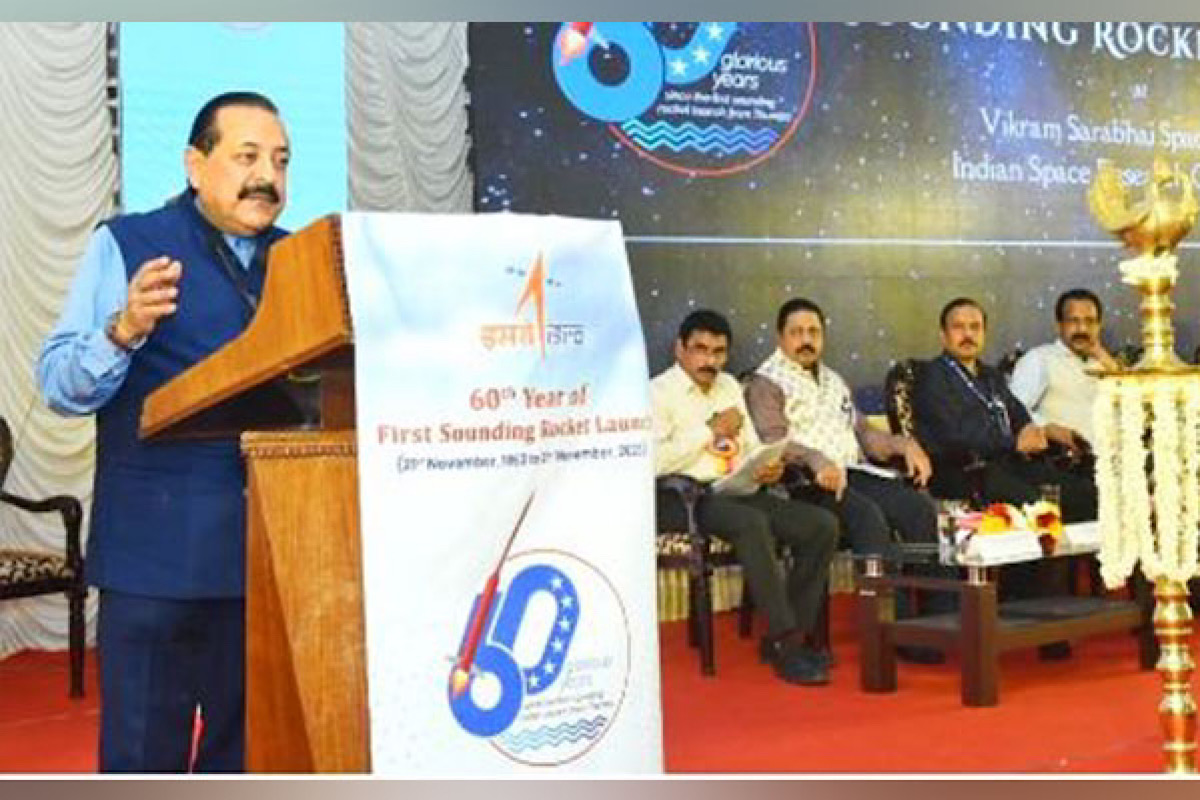
The Diamond Jubilee of India's first sounding rocket launch from Thumba in Kerala coincides with the year 2023 which saw the historic twin feats of Chandrayaan-3 and Aditya-L1 missions, said Union Minister of State for Space Jitendra Singh.