Strategic Distance
The renewed war between the United States and Iran has again placed American and Israeli military interests on apparently common ground.
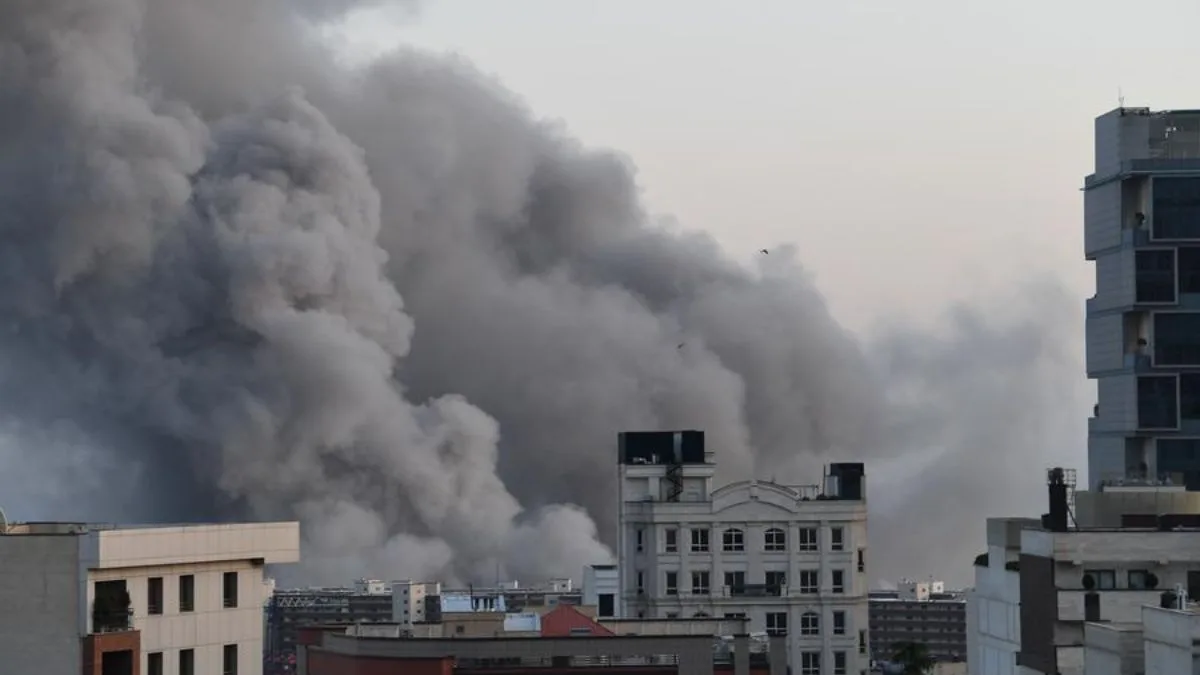
The renewed war between the United States and Iran has again placed American and Israeli military interests on apparently common ground.
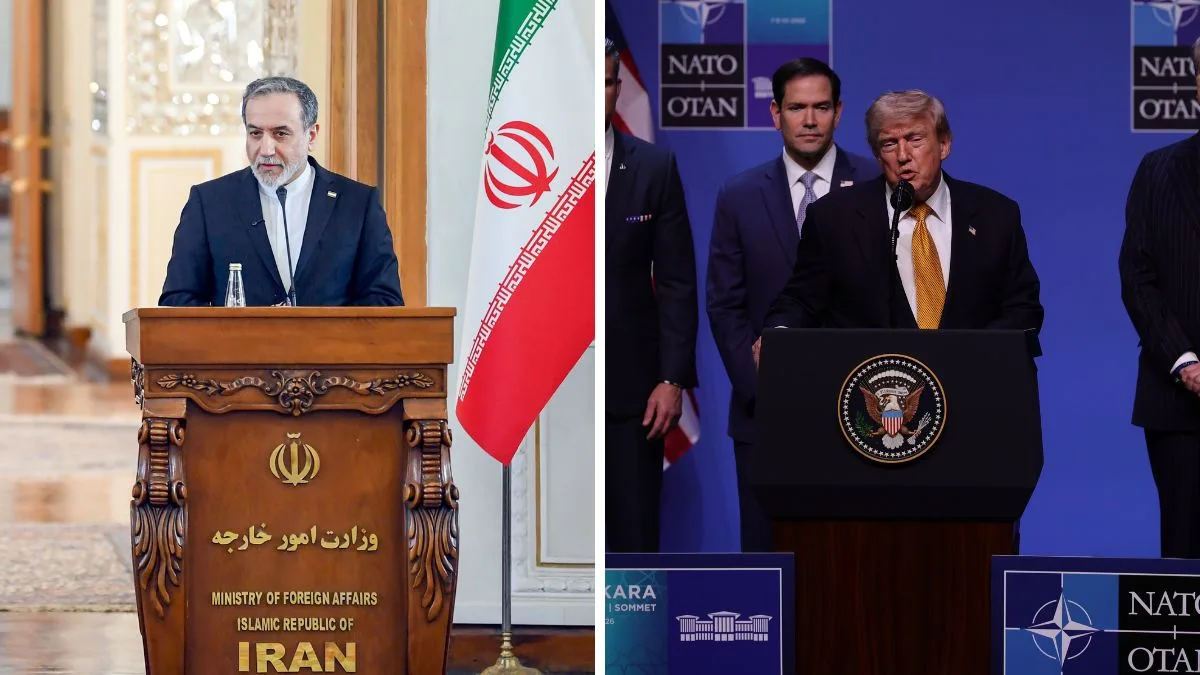
Fresh statements from Tehran and Washington point to deepening confrontation, with both sides hardening their public positions even as the US says it remains open to diplomacy.
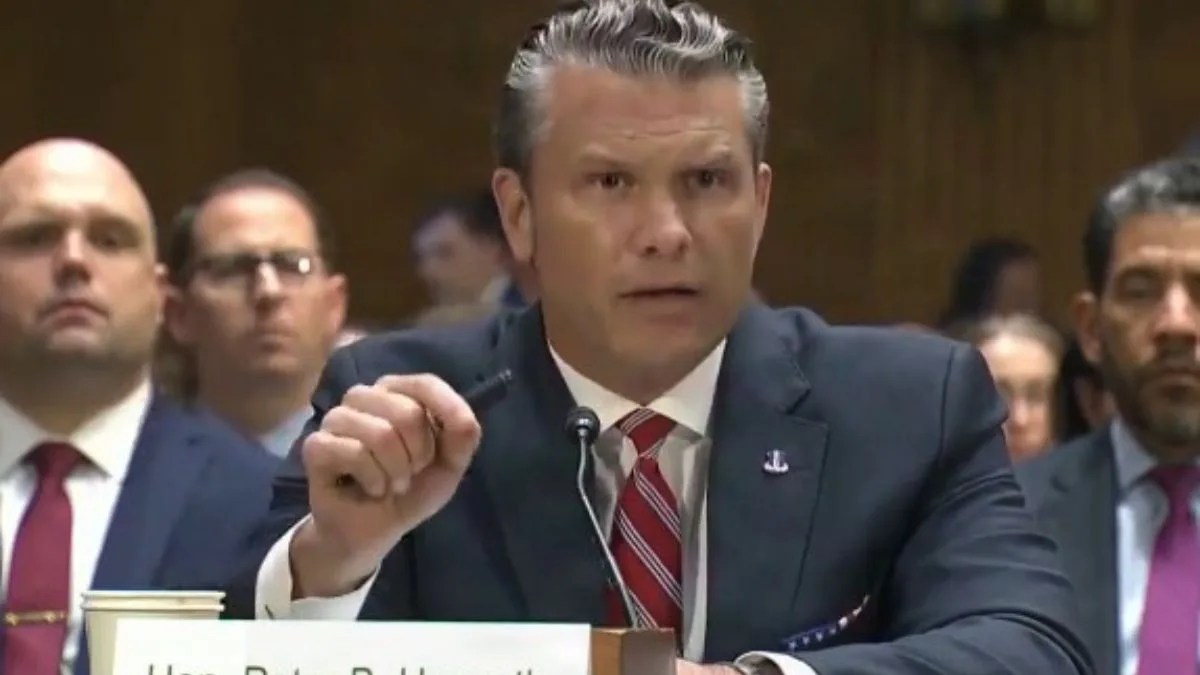
The Pentagon told lawmakers the conflict has already cost $37.5 billion and warned of readiness shortfalls without additional funding, while also alleging Russia and China are enabling Iran's military operations.
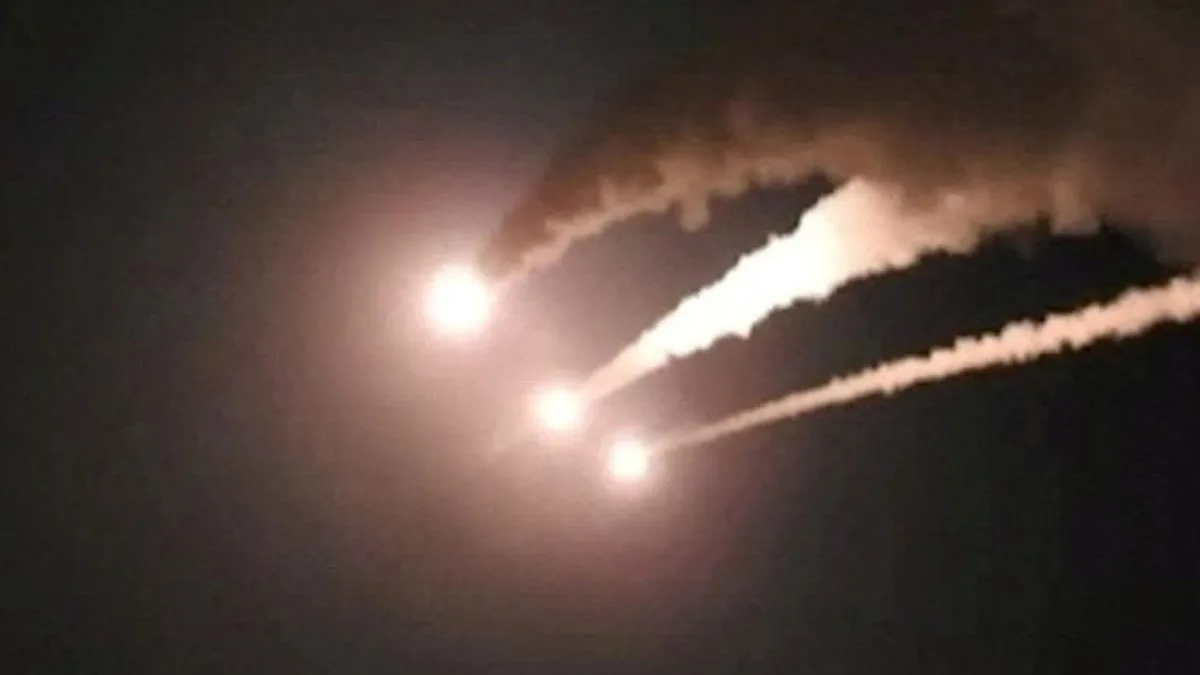
Explosions were reported across southern and central Iran after the US announced a new military offensive, while Kuwait activated air defences and regional tensions continued to spread.

Iran's Revolutionary Guard claimed it received intelligence from individuals in Jordan to strike US military targets, as Washington continued air strikes and regional tensions spread across the Gulf.

Iran has operationalised a new maritime authority for the Strait of Hormuz, introducing transit permits and expanding oversight across the critical global oil route.
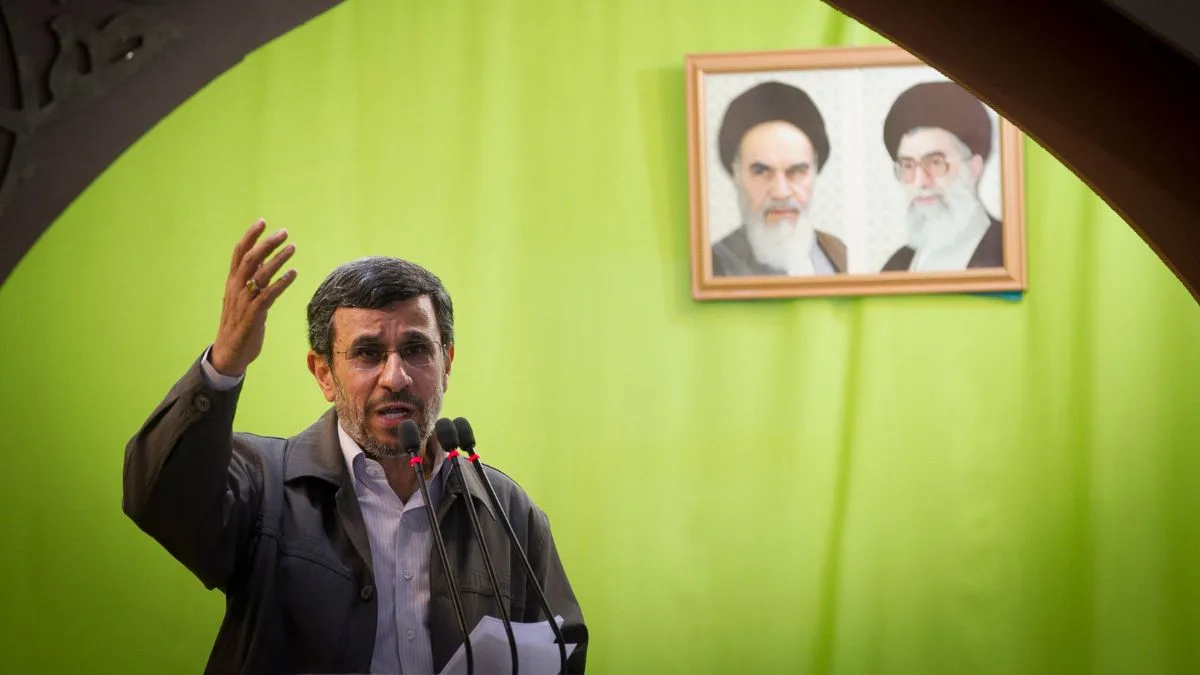
A New York Times report claims Washington and Mossad explored Mahmoud Ahmadinejad as a possible transitional figure after military strikes rocked Iran's top leadership.

Trump claimed Iran was eager for negotiations as the US Senate passed a resolution seeking to restrict presidential powers for military action against Tehran.

For months, Washington and Tel Aviv projected the confrontation with Iran as a campaign designed to fundamentally alter the strategic balance in West Asia.
Trump said Gulf nations requested a brief pause in planned US military action against Iran as diplomatic efforts intensified over Tehran’s nuclear programme.