Monsoon Reckoning
The weakest link in Indian agriculture has never been the farmer. It has been the country's enduring dependence on a monsoon that is becoming increasingly unpredictable.
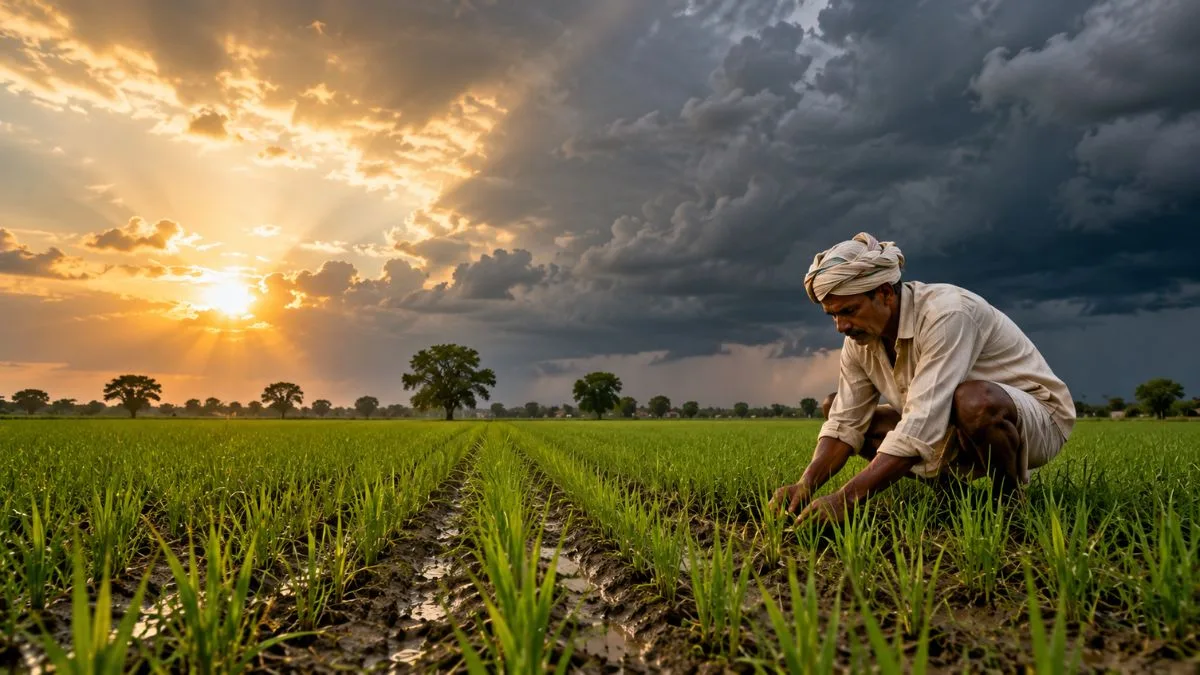
The weakest link in Indian agriculture has never been the farmer. It has been the country's enduring dependence on a monsoon that is becoming increasingly unpredictable.

India’s agricultural crisis is no longer confined to crop failures, debt burdens or volatile market prices.
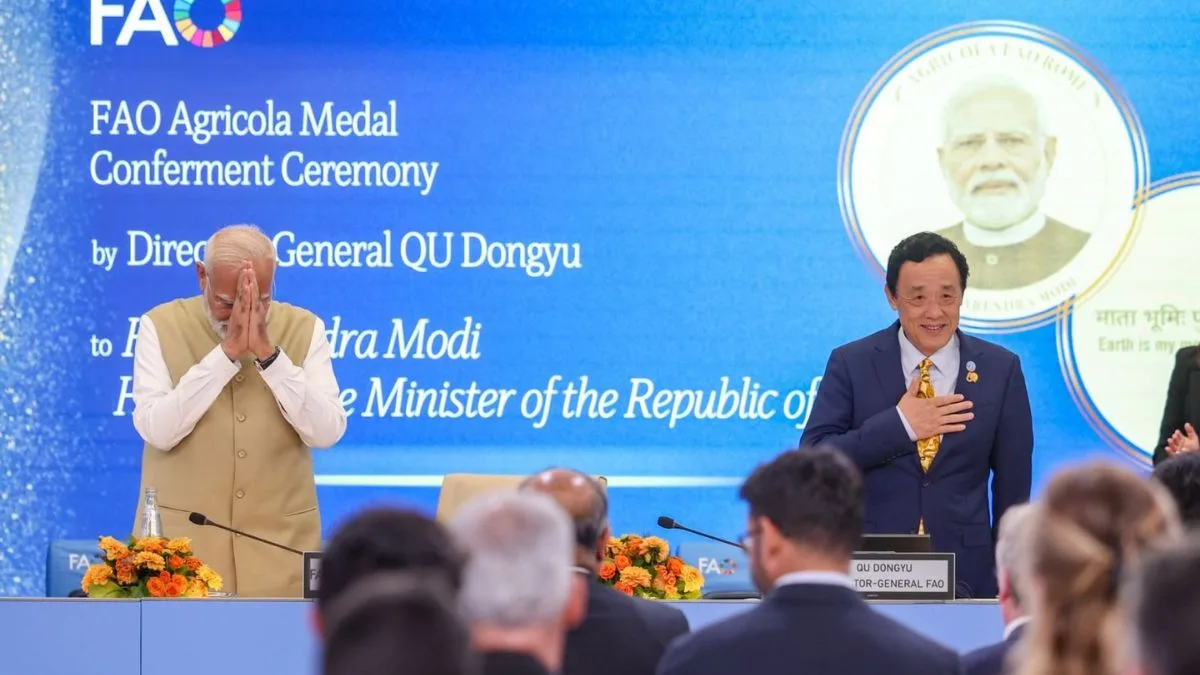
PM Modi used the FAO platform in Rome to project India’s agriculture model, highlighting millets, agri-tech and climate-resilient farming initiatives.

"Indian agriculture is at a historic turning point, with unprecedented potential to transform the country into a global food and agri-exports powerhouse," said C Rajasekhar, OSD, Ministry of External Affairs (MEA), Government of India, here on Friday.
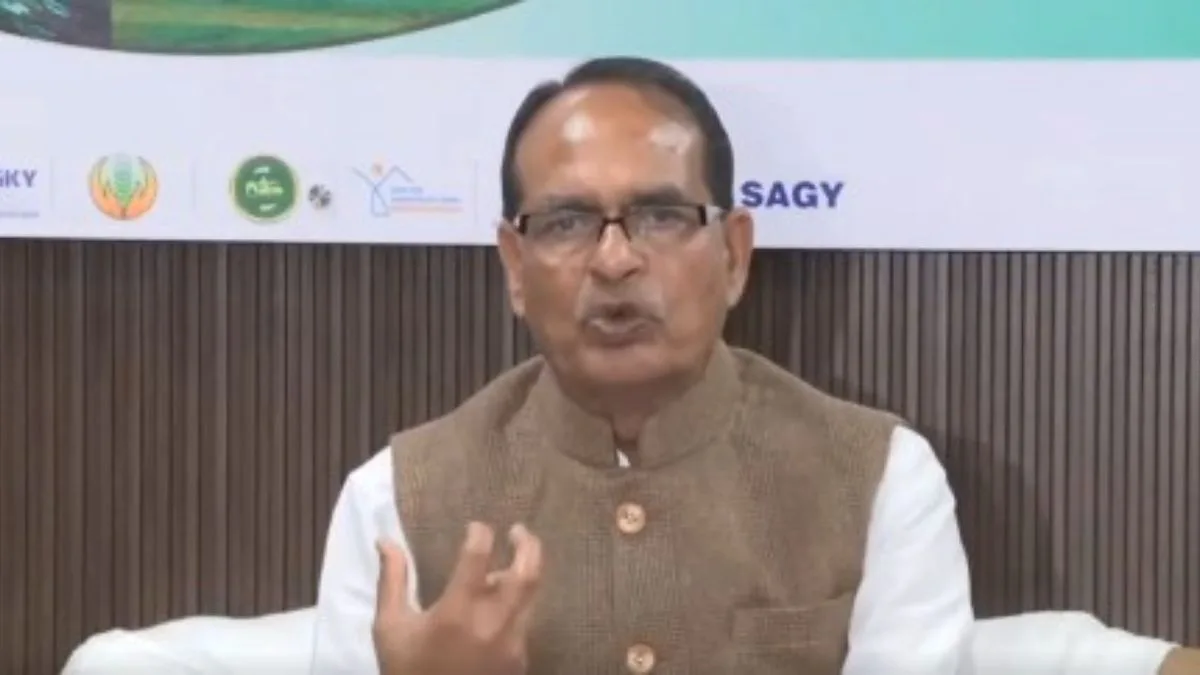
"During the decade from financial year 2016 to 2025, the agricultural sector posted a decadal growth rate of 4.45 per cent, the highest compared to previous decades," Chouhan said while reacting to the Economic Survey.

The Green Revolution was indeed a package deal, a combination of radical changes in the political economy of Indian agriculture, with several path-breaking interventions. The technology of the Green Revolution involved bio-engineered seeds that worked in conjunction with chemical fertilizers and heavy irrigation to increase crop yields. It also produced significant social and political changes in Indian villages.
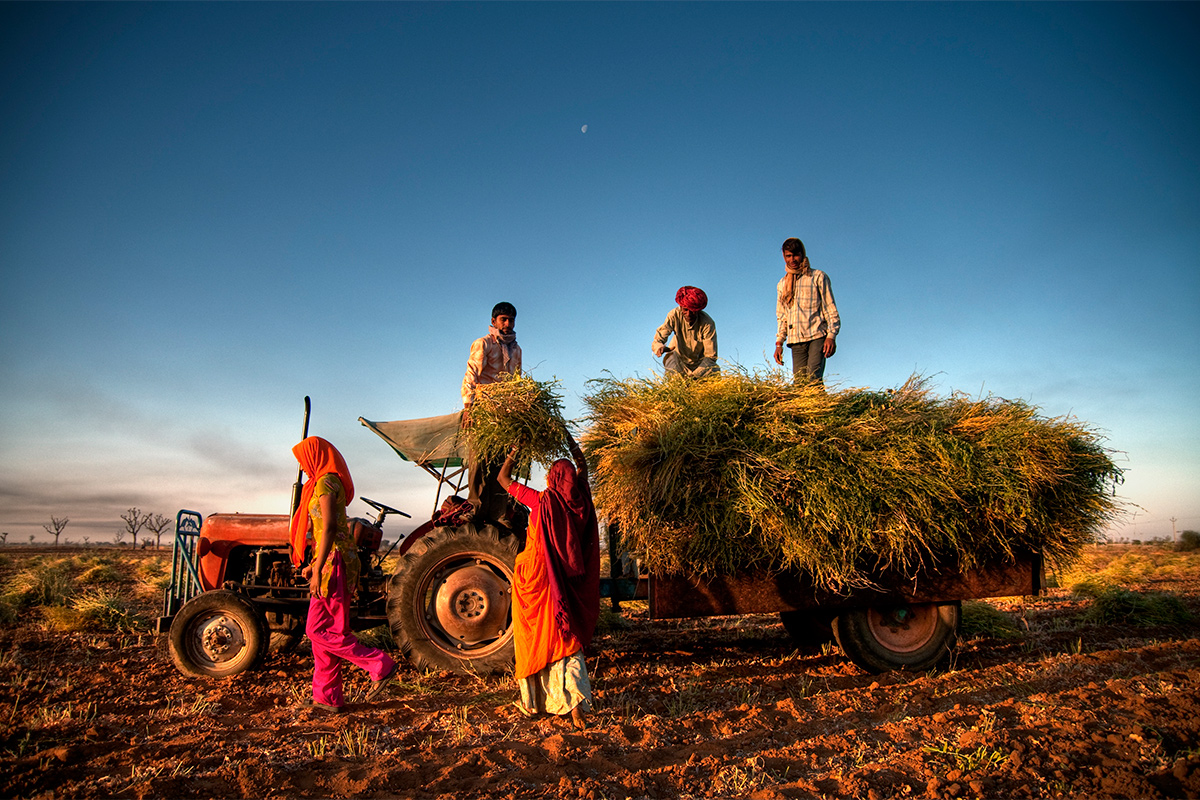
ICRISAT, as per its mandate strives to be the change catalyst through a partnership approach to help rural communities develop their own solutions and engages
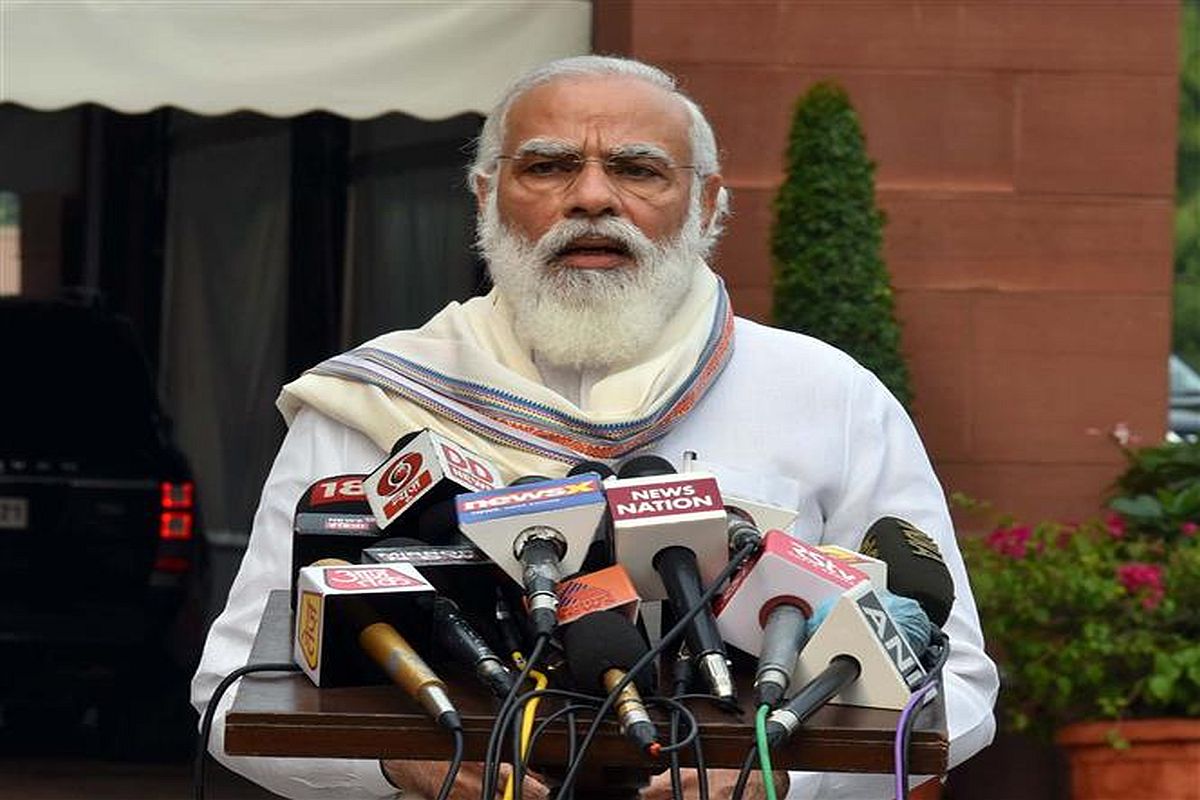
'For decades, the Indian farmer was bound by various constraints and bullied by middlemen. The bills passed by Parliament liberate the farmers from such adversities,' PM said.

Only a knowledge empowered woman can then demand ownership of lands and set right such circumstances as obtaining in Uttar Pradesh, where women own under 18 per cent of the agricultural land.
The sixteen most revered and rich temples have assets with annual donations running in billions of dollars which could be gainfully utilised to resolve the agrarian crisis