‘India worst hit by conflict’
The reverberations of the West Asia conflict are reshaping the global economy at a structural level, exposing vulnerabilities in energy security, supply chains, fiscal stability, and geopolitical finance.
A UN report flags India as the region’s strongest growth engine, backed by domestic demand and services, even as global energy disruptions and trade pressures weigh on Asia Pacific economies.
Global growth is now projected to slow to 3.1% in 2026 and 3.2% in 2027, marking a slowdown from the 3.4% average recorded during 2024-25. The latest outlook also falls short of the 3.7% historical average seen between 2000 and 2019, underlining a broader loss of momentum.
Fresh diplomatic signals emerge as Washington and Tehran may return to the negotiating table, even as conflict, economic strain and nuclear disagreements continue to shape the standoff.
It said the ongoing conflict in West Asia will moderate growth momentum and raise inflation risks.
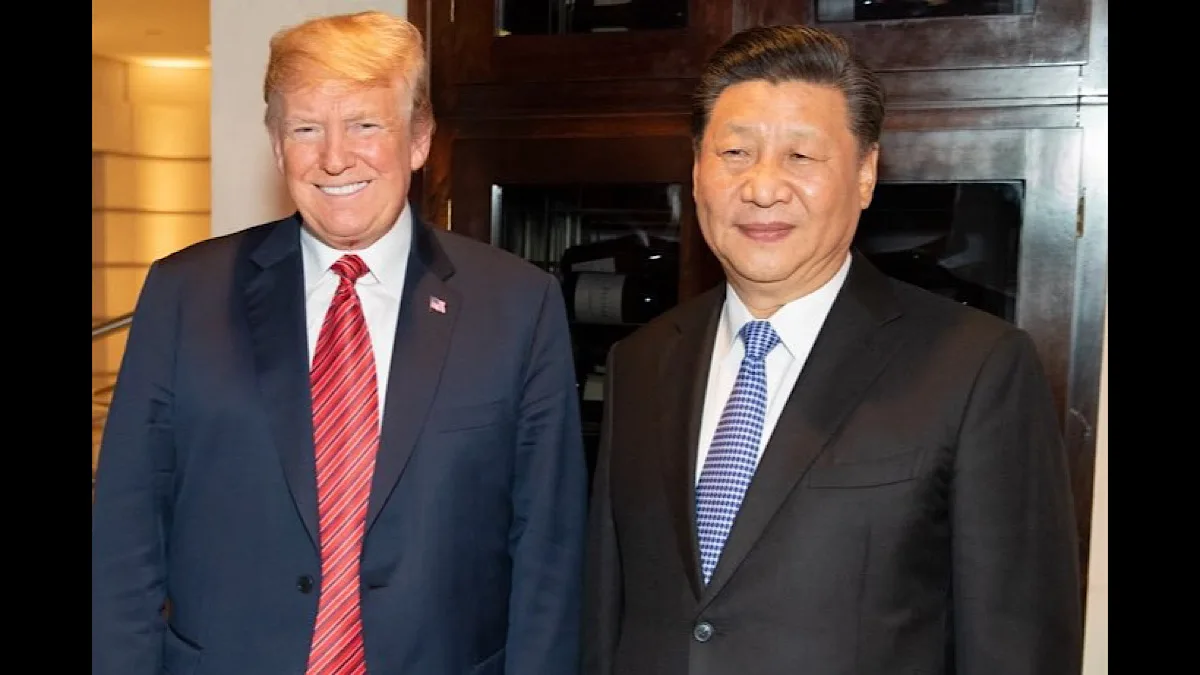
Trump’s declaration on Truth Social—that he would visit China early next year followed by Xi’s visit to the US—signals a shift toward more structured, high-level diplomacy beyond immediate regional meetings like the upcoming APEC Summit in South Korea.
The recent decision by the United States to raise the H-1B visa fee to an unprecedented $100,000 per worker is another reminder of how disruptive economic nationalism can be when it collides with the realities of a global economy.
Few commodities carry the weight of the semiconductor chip. They are the hidden scaffolding of the global economy, running everything from cars and consumer electronics to missile systems and artificial intelligence.
As Artificial Intelligence redefines every sector of the global economy, the challenge facing today’s institutions is not simply how to adapt to new technologies, but how to reimagine the very nature of work, talent, and leadership.
India has managed to maintain a healthy growth rate despite global economic and political volatility, which is a creditable achievement, said Chief Economic Adviser (CEA) V Anantha Nageswaran.