Bengal’s chance to plant a new tree
In O. Henry’s The Last Leaf, ailing Johnsy clings to life because one painted leaf refuses to fall. Such is the power of optimism; it does not need to be certain to be effective.
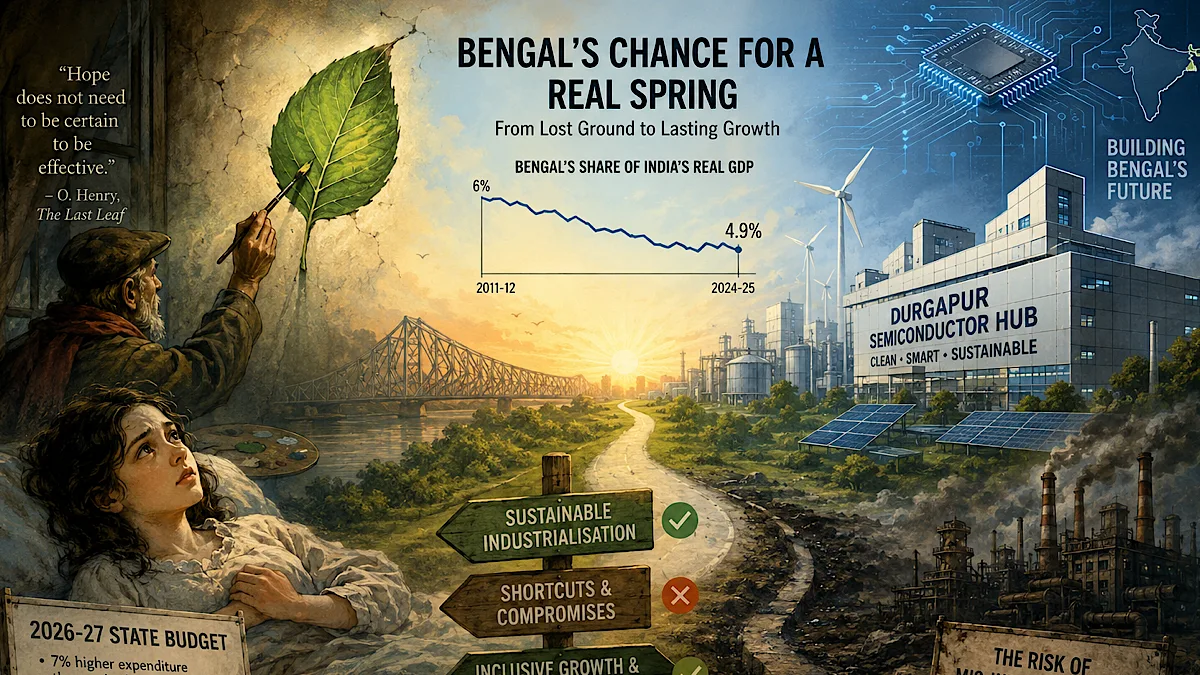
In O. Henry’s The Last Leaf, ailing Johnsy clings to life because one painted leaf refuses to fall. Such is the power of optimism; it does not need to be certain to be effective.

S&P Global Ratings cut India's GDP growth to 6.6 per cent in the current fiscal year, driven by energy stress, a sub-par monsoon and slowing global growth.
India's Gross Domestic Product (GDP) is set to grow at 6.6 per cent in the current fiscal as compared to 7.7 per cent in FY26, said BMI, a Fitch group company, citing weaker investments and consumption growth and trade shocks from the West Asia crisis.
India’s current account surplus moderated to $7.1 billion, or 0.7 per cent of GDP, in the fourth quarter (January-March) of financial year 2025-26, compared with $13.7 billion in the same period a year ago, according to the Reserve Bank of India’s latest Balance of Payments data.
Prime Minister Narendra Modi on Friday welcomed India’s latest GDP data, calling it proof of economic resilience, reform impact and the hard work of 140 crore Indians.

The monthly real gross domestic product (GDP) of the United Kingdom (UK) is estimated to have remained stagnant in July, according to official data on Wednesday.
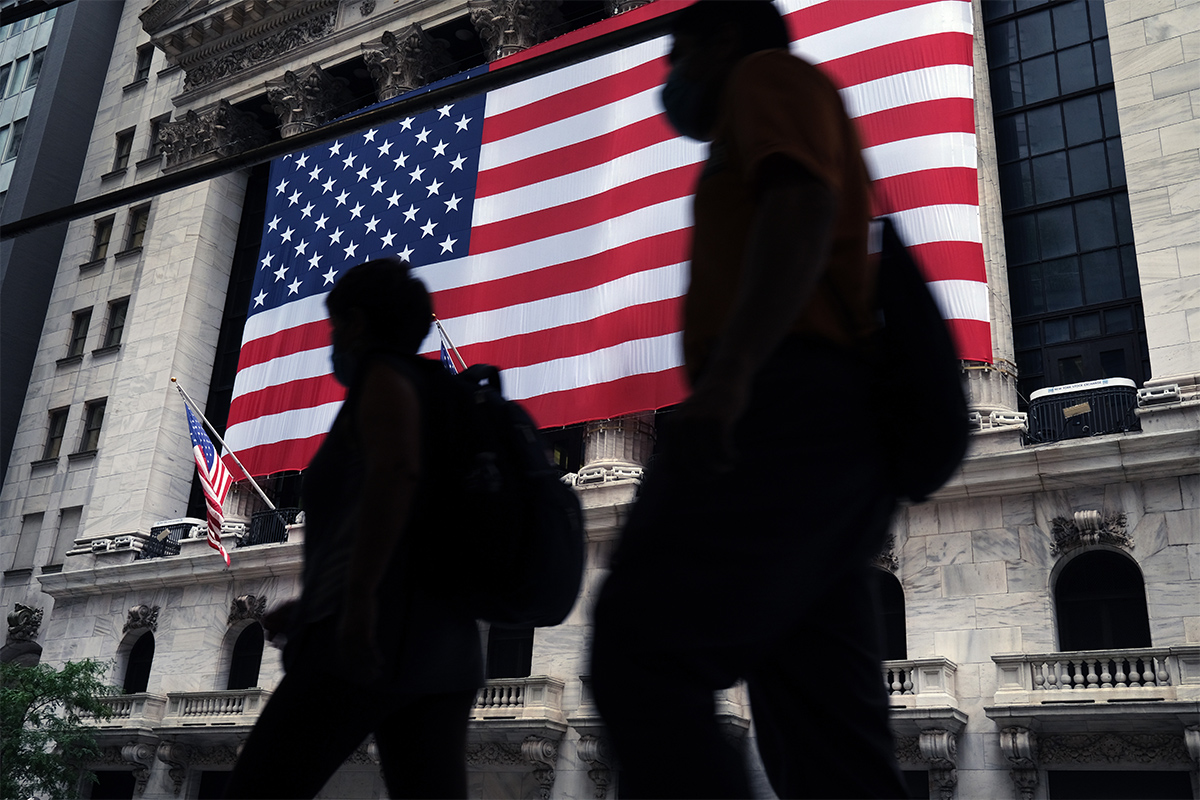
The debate over whether the US economy has performed better under President Joe Biden or his predecessor, Donald Trump, is central to the current presidential campaign.

India’s services sector, which has assumed a key role in its economy, continues to demonstrate remarkable resilience, with growth accelerating to a five-month high in August.
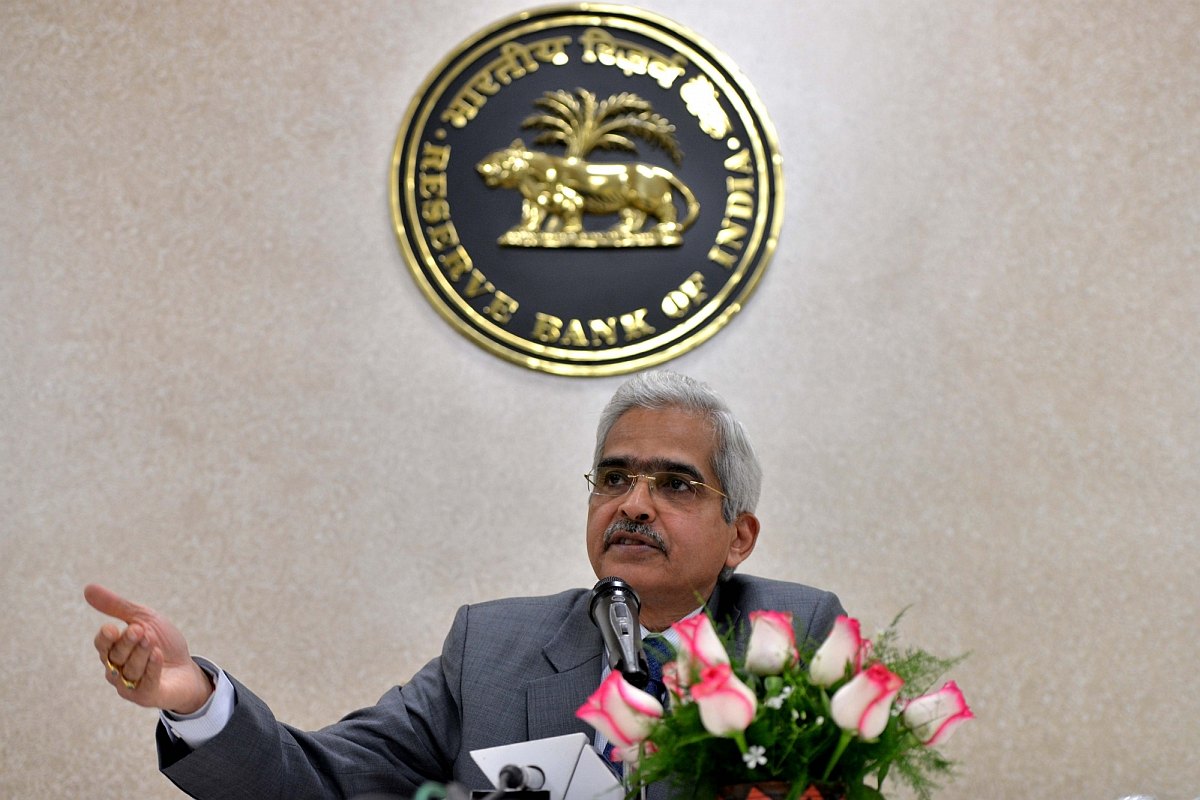
Reserve Bank of India (RBI) Governor Shaktikanta Das said despite the moderation seen in first quarter gross domestic product growth (GDP), the Indian economy is likely to achieve full year growth of 7.2 per cent as projected.

The Indian textile industry has the potential to become a $300 billion industry by 2030, with $100 billion coming from exports, the government said on Wednesday.