Science Dividend
India's economic rise has produced a new class of billionaires whose philanthropy can shape the country’s future as much as their businesses.

India's economic rise has produced a new class of billionaires whose philanthropy can shape the country’s future as much as their businesses.
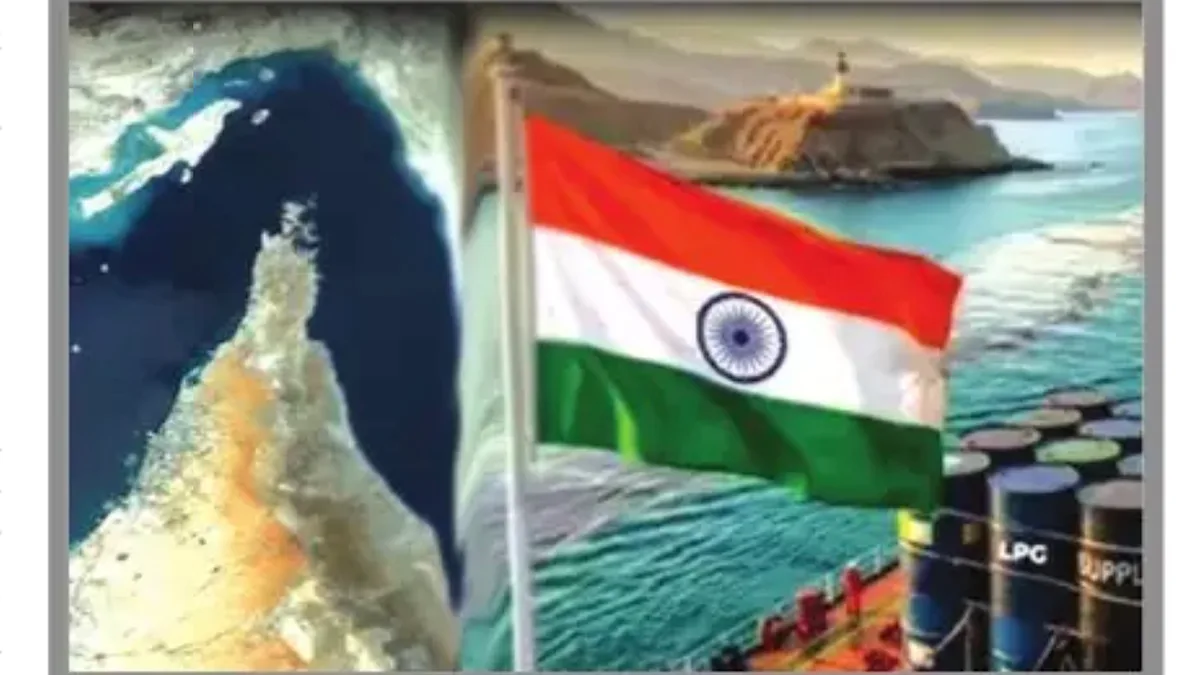
Geopolitical crises early arrive with neat labels. They unsettle markets, test diplomacy and expose economic vulnerabilities.
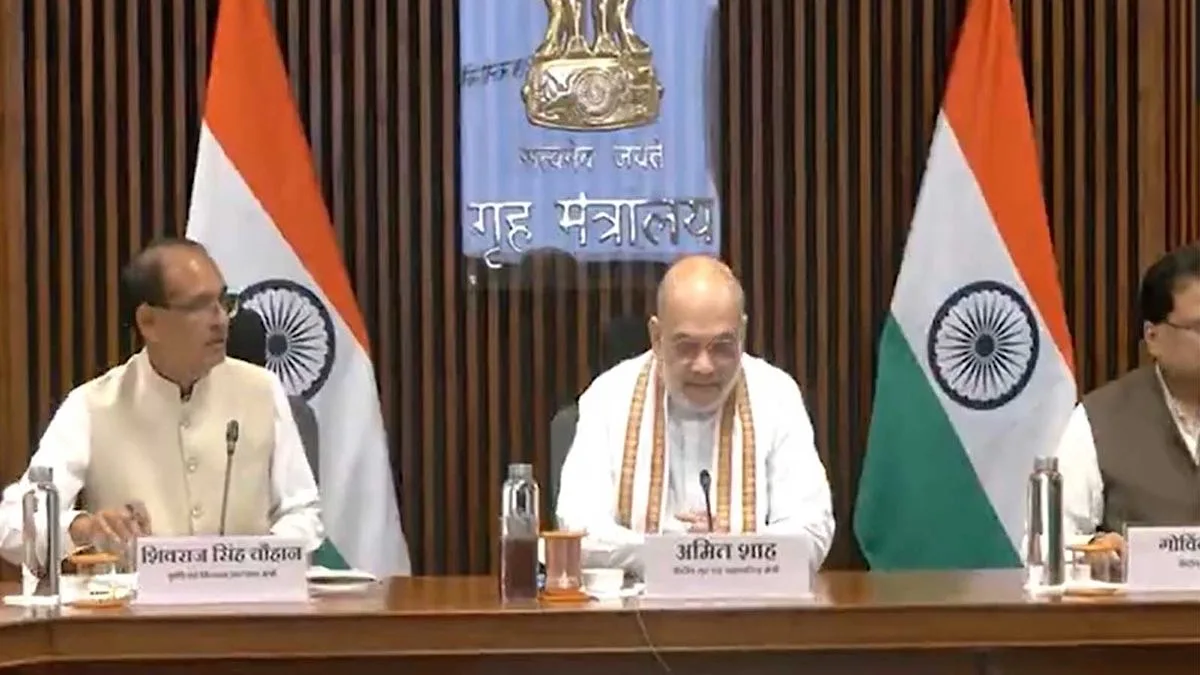
The Prime Minister's Office (PMO) on Tuesday conducted a high-level review of the country's preparedness for the possible impact of El Niño on agriculture and other sectors of the economy.
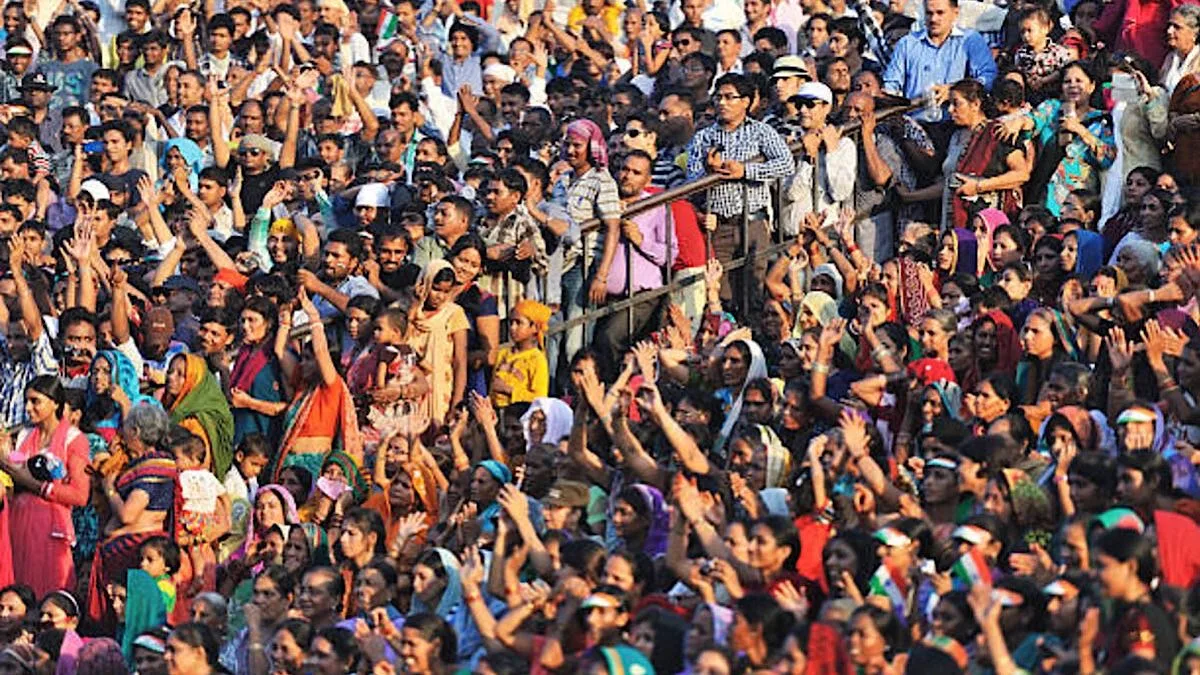
India is frequently celebrated as the world’s youngest major democracy. With more than half of its population below the age of thirty, the country possesses a demographic advantage that many developed economies can only envy.
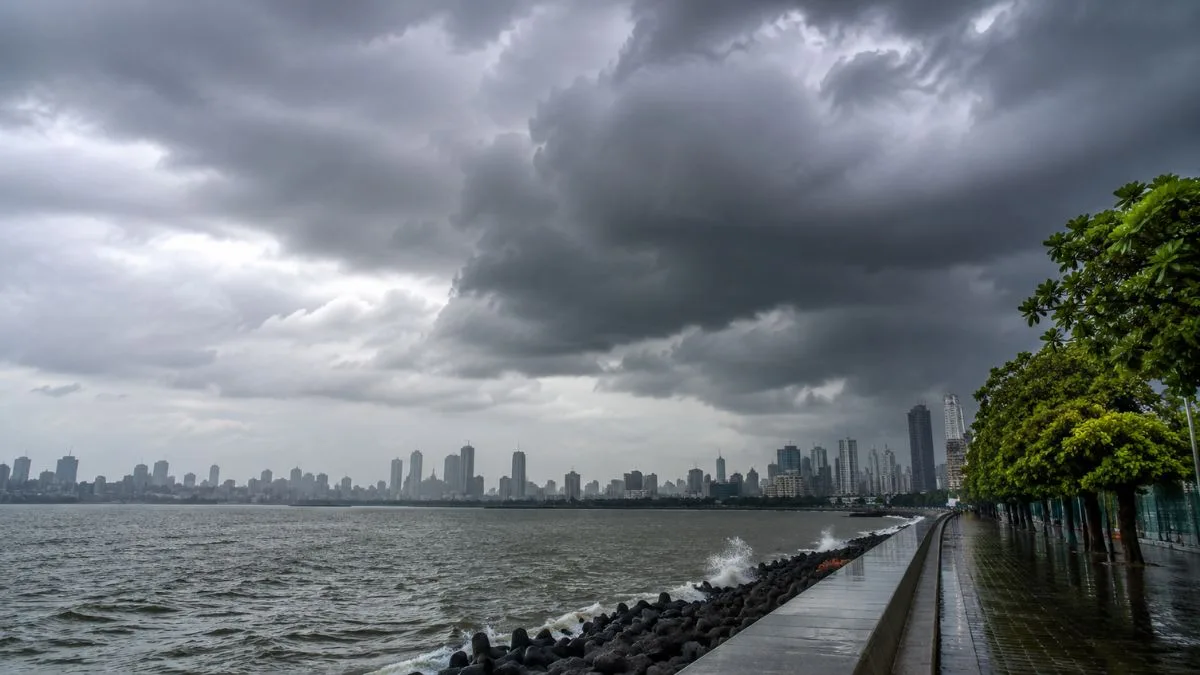
For India, the southwest monsoon is far more than a seasonal we ather phenomenon. It is the lifeline of the economy, sustaining agriculture, replenishing water reservoirs, supporting hydropower generation and influencing inflation, employment and food security.

Inflation, once thought to be tamed and controlled by the steady hand of central banks, is staging a comeback, and it is not a quiet one. The era of low inflation, marked by decades of economic stability, seems like a distant memory as we grapple with the resurgence of price pressures.

Japan's enduring economic challenges serve as both a cautionary tale and a beacon of resilience.
India finds itself at a crossroads, grappling with the dual challenge of sustaining growth momentum while addressing underlying structural constraints.
The 2024 Economic and Social Survey of Asia and the Pacific released by the United Nations regional commission said the new perspectives and approaches can solve this long-standing challenge.
India stands at a crossroads of opportunity and challenge, grappling with the imperative of internal migration to unlock its economic potential.