Science Dividend
India's economic rise has produced a new class of billionaires whose philanthropy can shape the country’s future as much as their businesses.

India's economic rise has produced a new class of billionaires whose philanthropy can shape the country’s future as much as their businesses.
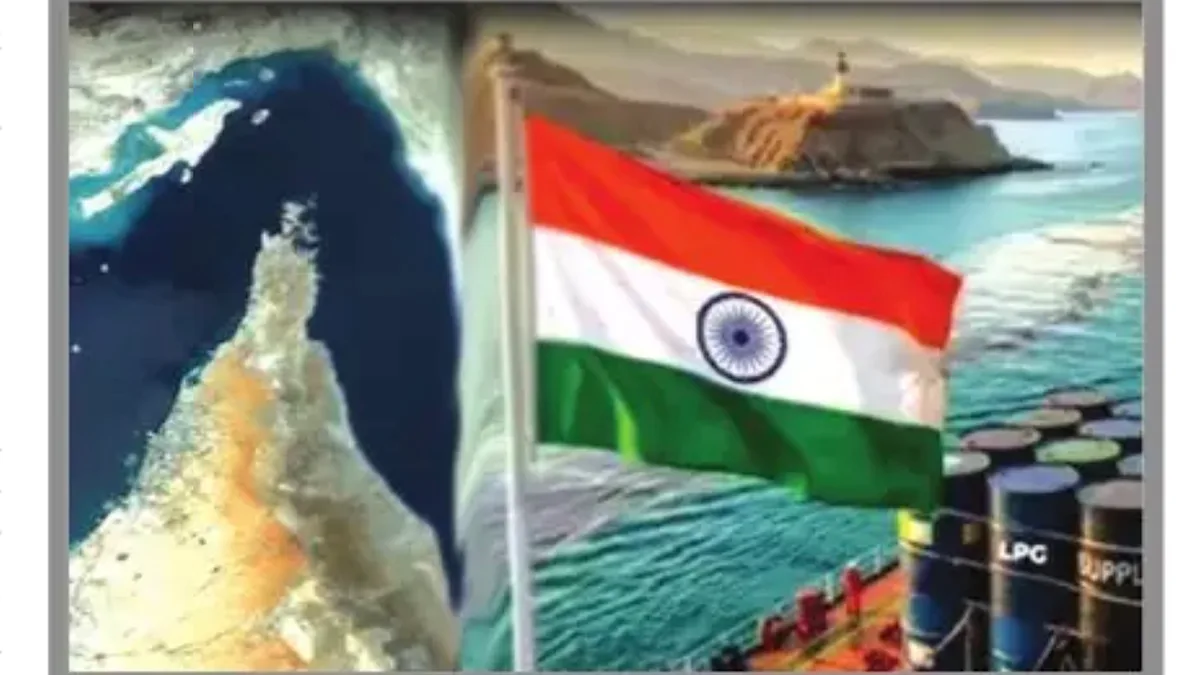
Geopolitical crises early arrive with neat labels. They unsettle markets, test diplomacy and expose economic vulnerabilities.
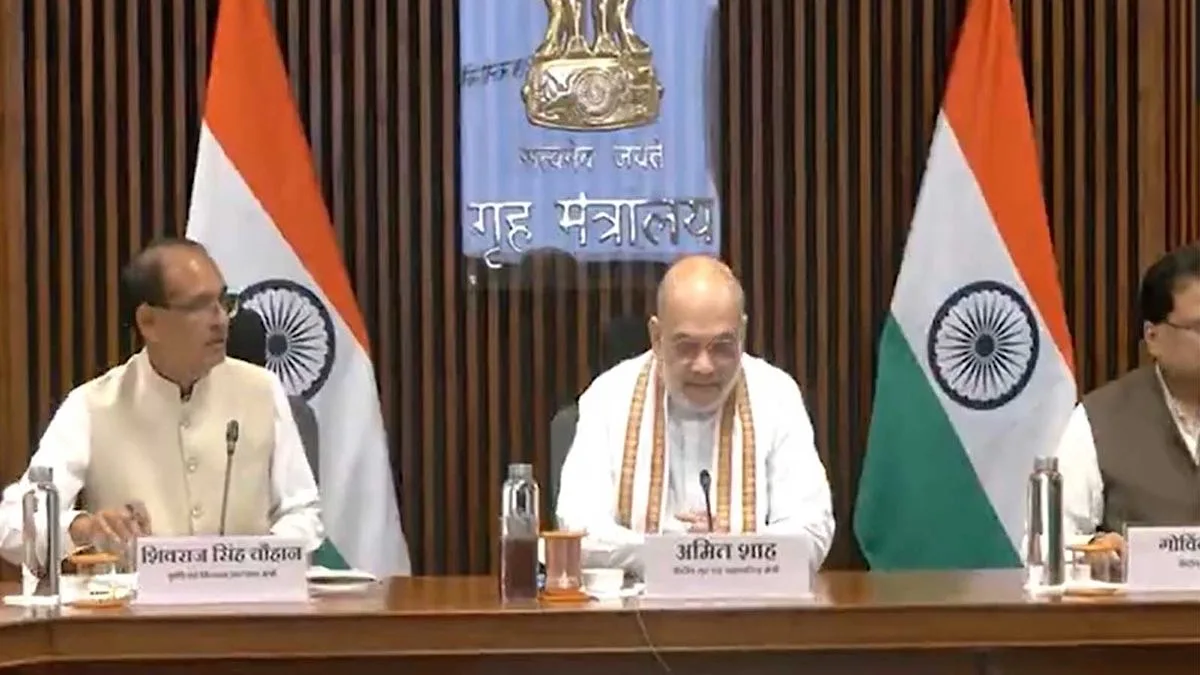
The Prime Minister's Office (PMO) on Tuesday conducted a high-level review of the country's preparedness for the possible impact of El Niño on agriculture and other sectors of the economy.
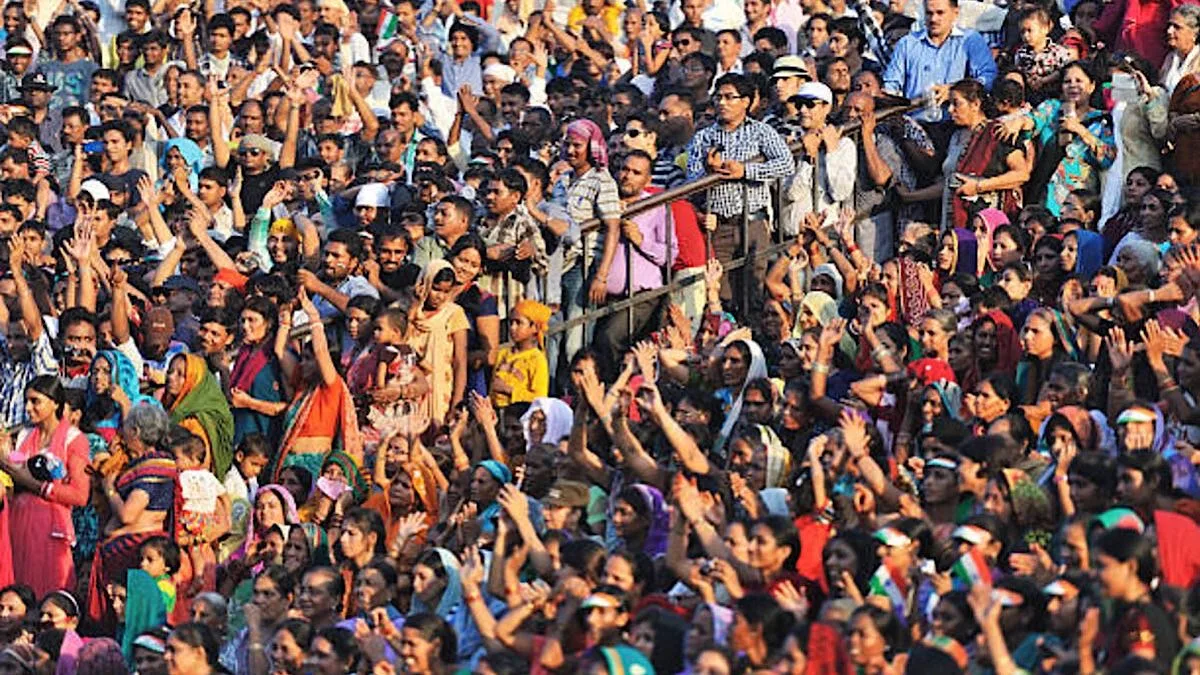
India is frequently celebrated as the world’s youngest major democracy. With more than half of its population below the age of thirty, the country possesses a demographic advantage that many developed economies can only envy.
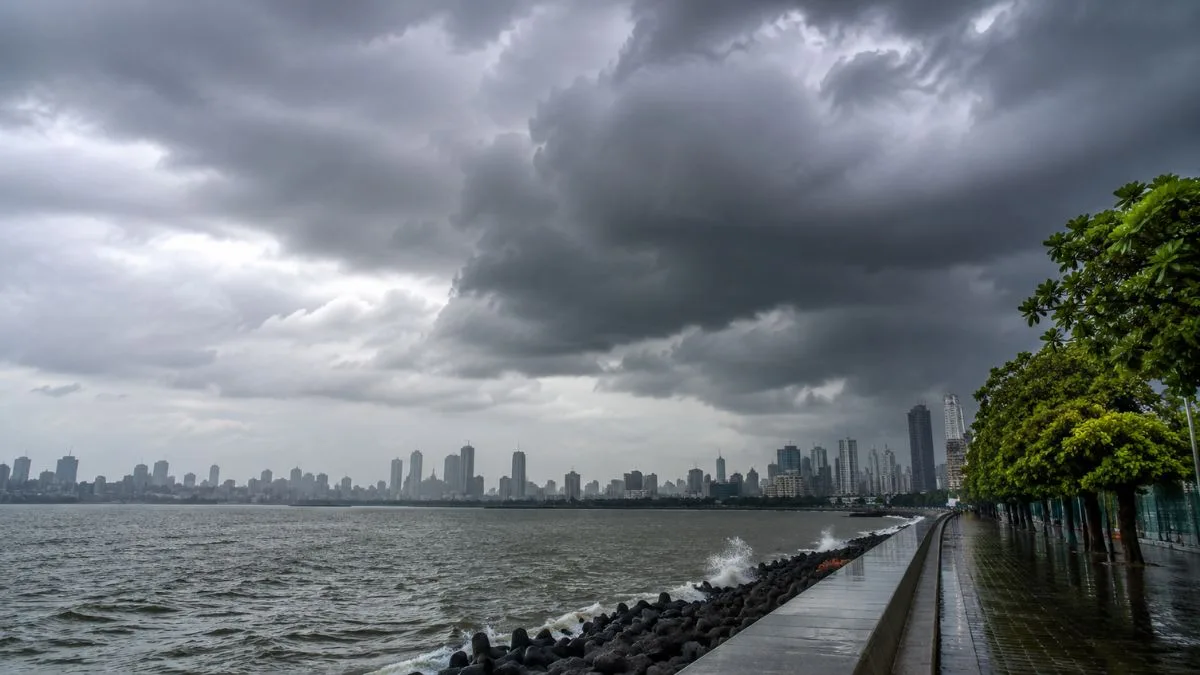
For India, the southwest monsoon is far more than a seasonal we ather phenomenon. It is the lifeline of the economy, sustaining agriculture, replenishing water reservoirs, supporting hydropower generation and influencing inflation, employment and food security.
The Indian economy is projected to grow faster at 7.1 per cent this fiscal (FY25), Moody’s Analytics said on Tuesday, as the country continues to remain resilient amid global uncertainties.

Prime Minister Narendra Modi has expressed his government's resolve to make India the third-largest economy in the world during his third term.

The recent plunge in UK consumer confidence serves as a stark reminder of the delicate balance between fiscal responsibility and maintaining public morale.

These agreements were signed in the presence of Prime Minister Narendra Modi who is on 3-day visit to the US for the Quad Summit.
India is on track to become the third-largest economy by fiscal 2030-31, driven by a robust projected annual growth rate of 6.7 per cent, a report by S&P Global projected on Thursday.