Science Dividend
India's economic rise has produced a new class of billionaires whose philanthropy can shape the country’s future as much as their businesses.

India's economic rise has produced a new class of billionaires whose philanthropy can shape the country’s future as much as their businesses.
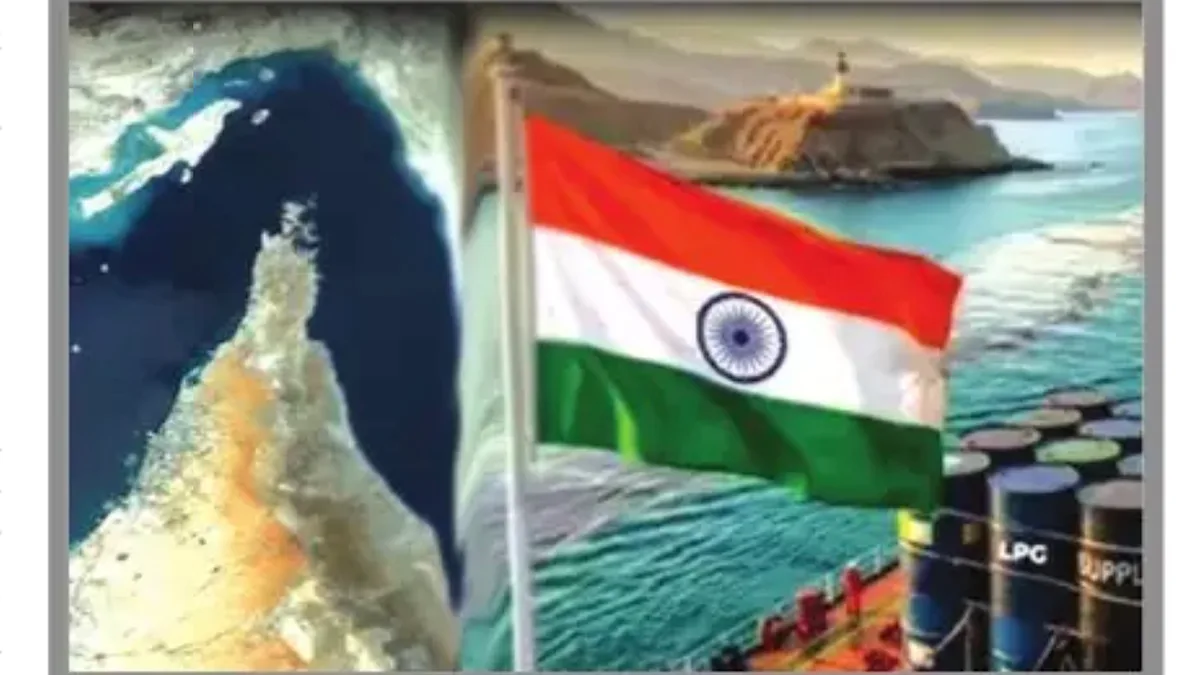
Geopolitical crises early arrive with neat labels. They unsettle markets, test diplomacy and expose economic vulnerabilities.
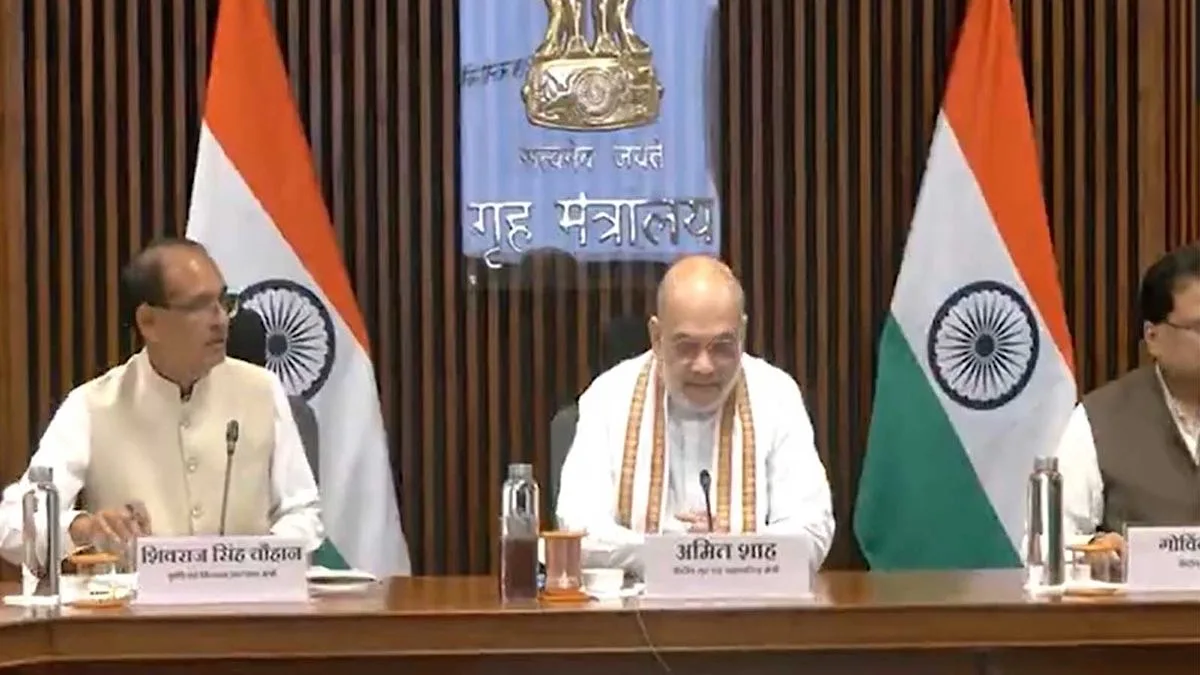
The Prime Minister's Office (PMO) on Tuesday conducted a high-level review of the country's preparedness for the possible impact of El Niño on agriculture and other sectors of the economy.
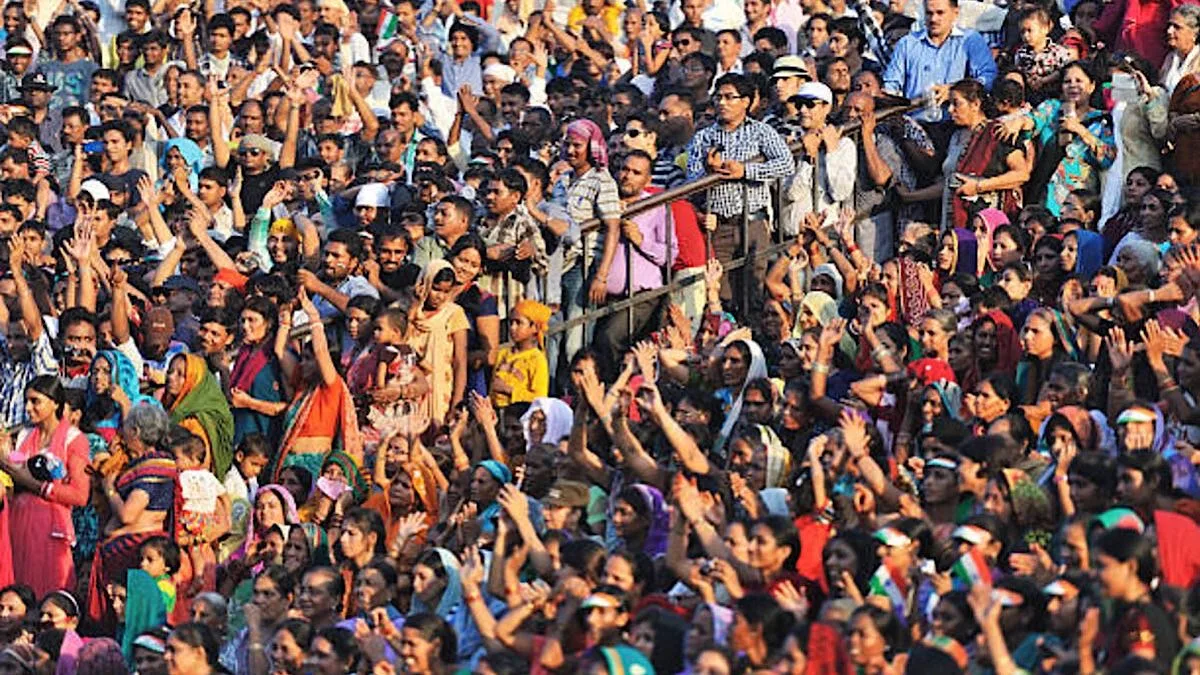
India is frequently celebrated as the world’s youngest major democracy. With more than half of its population below the age of thirty, the country possesses a demographic advantage that many developed economies can only envy.
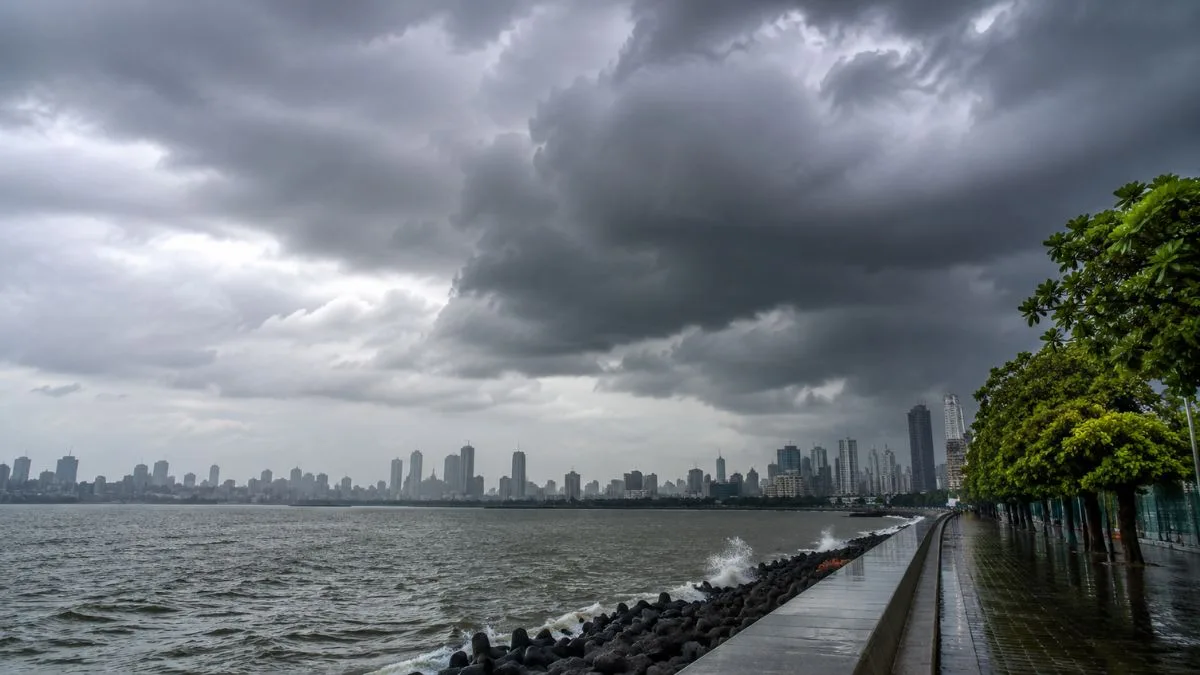
For India, the southwest monsoon is far more than a seasonal we ather phenomenon. It is the lifeline of the economy, sustaining agriculture, replenishing water reservoirs, supporting hydropower generation and influencing inflation, employment and food security.

With artificial intelligence (AI) adoption surging across sectors, the need for reliable, scalable and sustainable AI infrastructure in India has never been more urgent, NITI Aayog said on Thursday.

In a major achievement, Uttar Pradesh’s economy has more than doubled, rising from Rs 12.88 lakh crore in 2017 to Rs 27.51 lakh crore today, all without raising taxes.

“Car purchases in India are largely limited to the top 12% of households with an annual income exceeding Rs12 lakh, while even small cars have become unaffordable for the remaining 88%."

India’s services sector, long the linchpin of its economic dynamism, is showing signs of moderation.
India will remain the fastest growing economy among the advanced and emerging G-20 countries and the large size of its domestic market makes the country less vulnerable to potential shocks from US tariff policy.