Barricaded Dissent
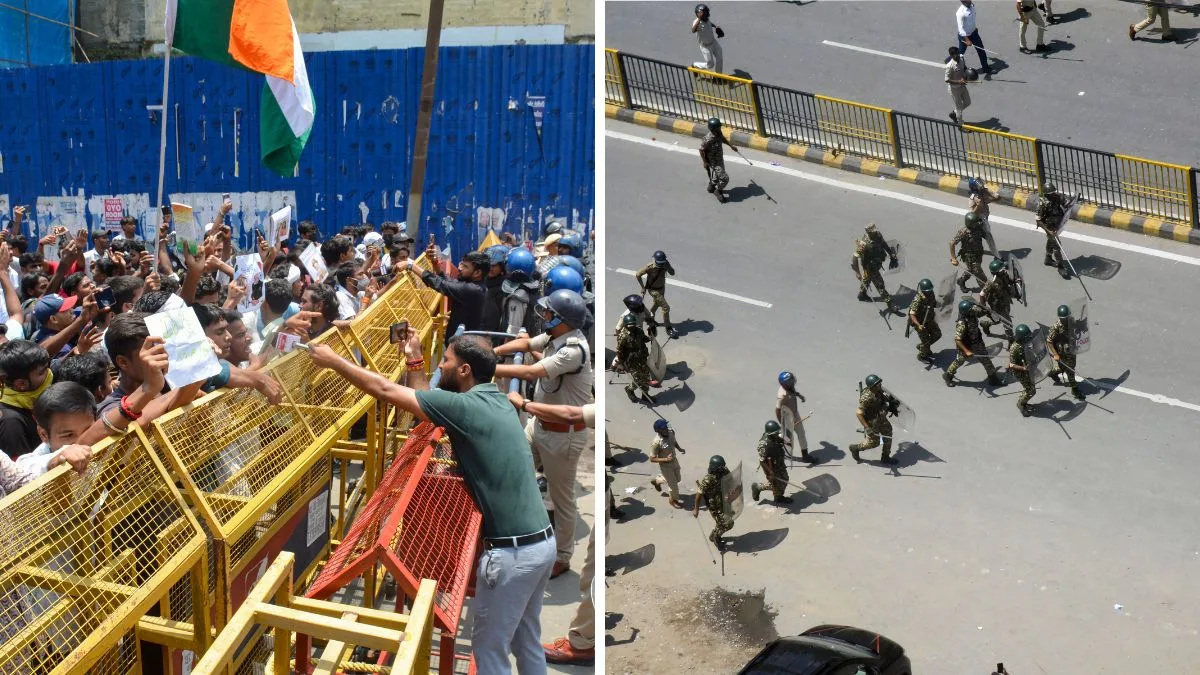
The barricading of the Shambhu border in Haryana to prevent farmers from travelling to Delhi raises a question larger than the protest itself.
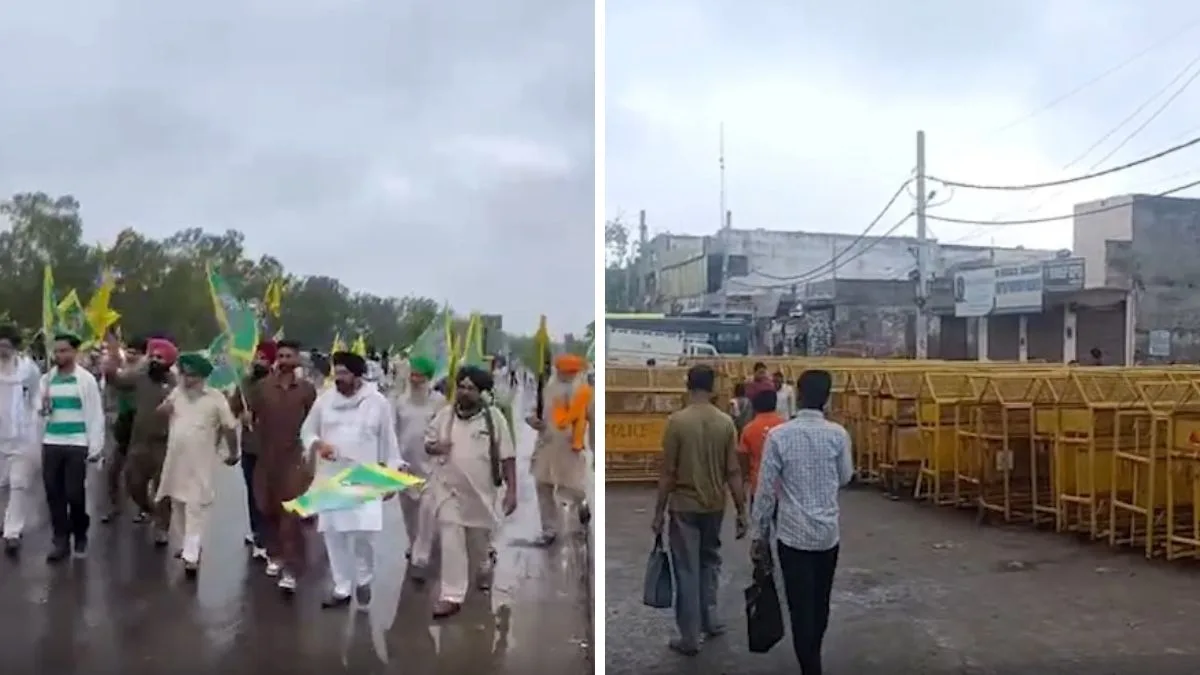
The barricading of the Shambhu border in Haryana to prevent farmers from travelling to Delhi raises a question larger than the protest itself.

Delhi Pradesh Congress Committee (DPCC) president Devender Yadav on Thursday demanded Rs one crore compensation for the family of a Municipal Corporation of Delhi (MCD) school teacher who, unable to cope with the pressure of Special Intensive Revision (SIR) work alongside her teaching responsibilities, allegedly died of cardiac arrest.
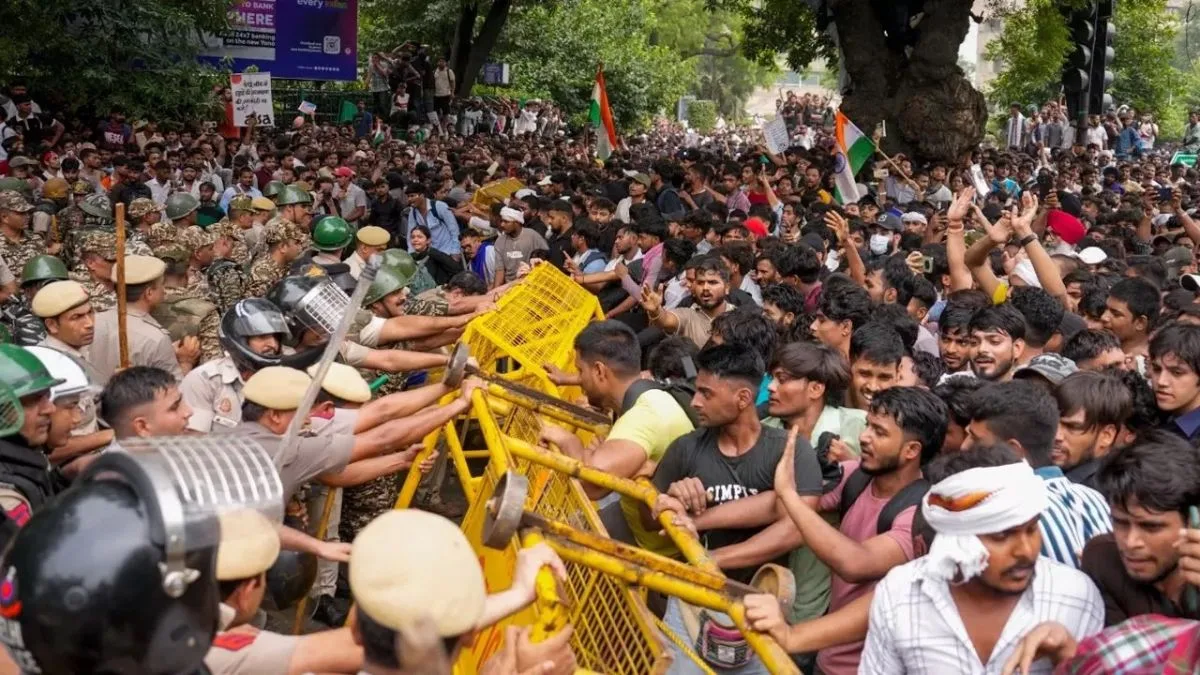
The move comes after authorities raised concerns over maintaining law and order in the national capital. The special powers allow action against individuals whose activities are considered harmful to public security.
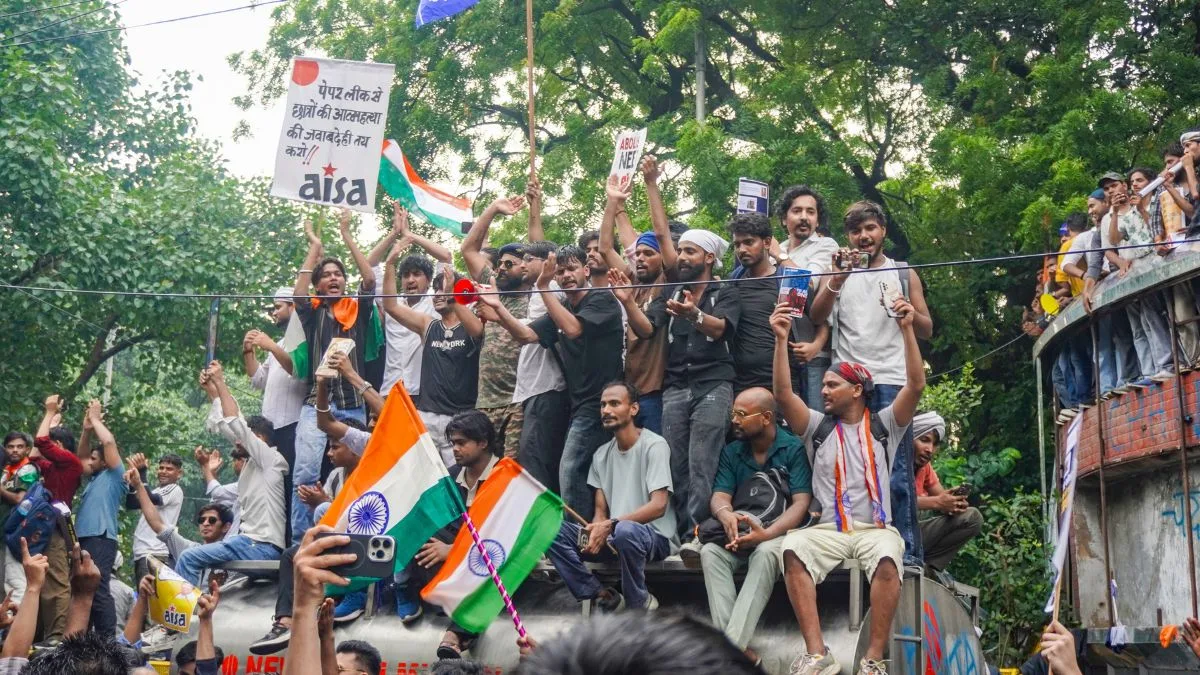
What began as an irreverent internet joke has acquired the unmistakable weight of a political movement.
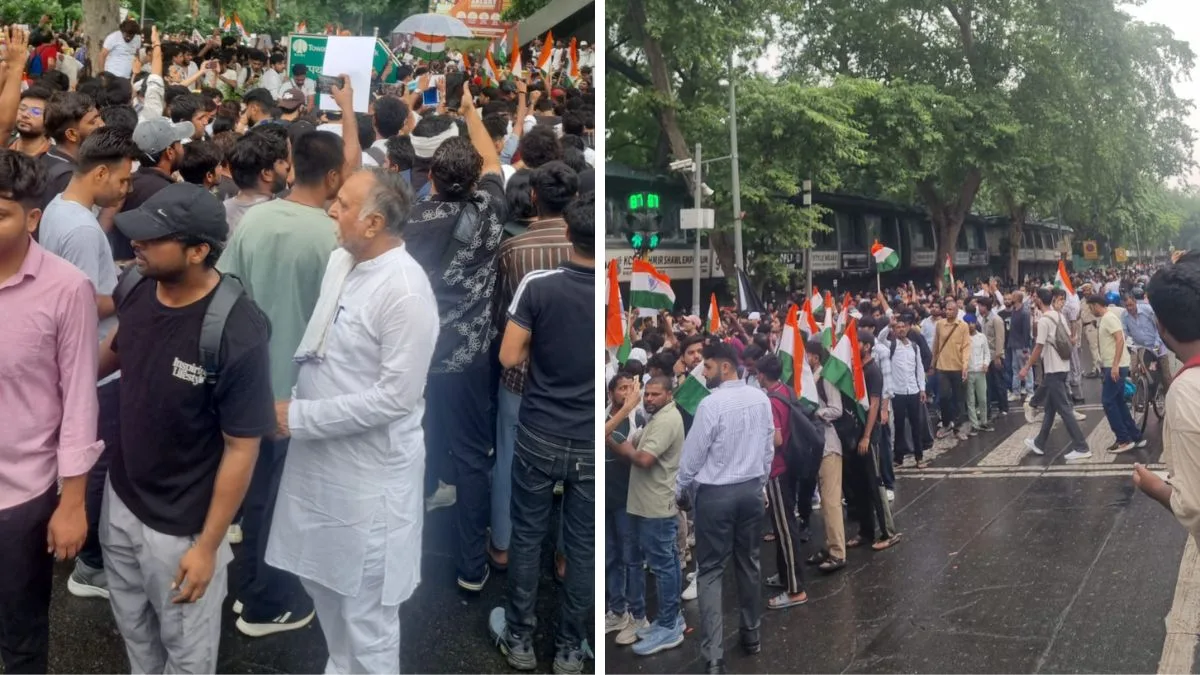
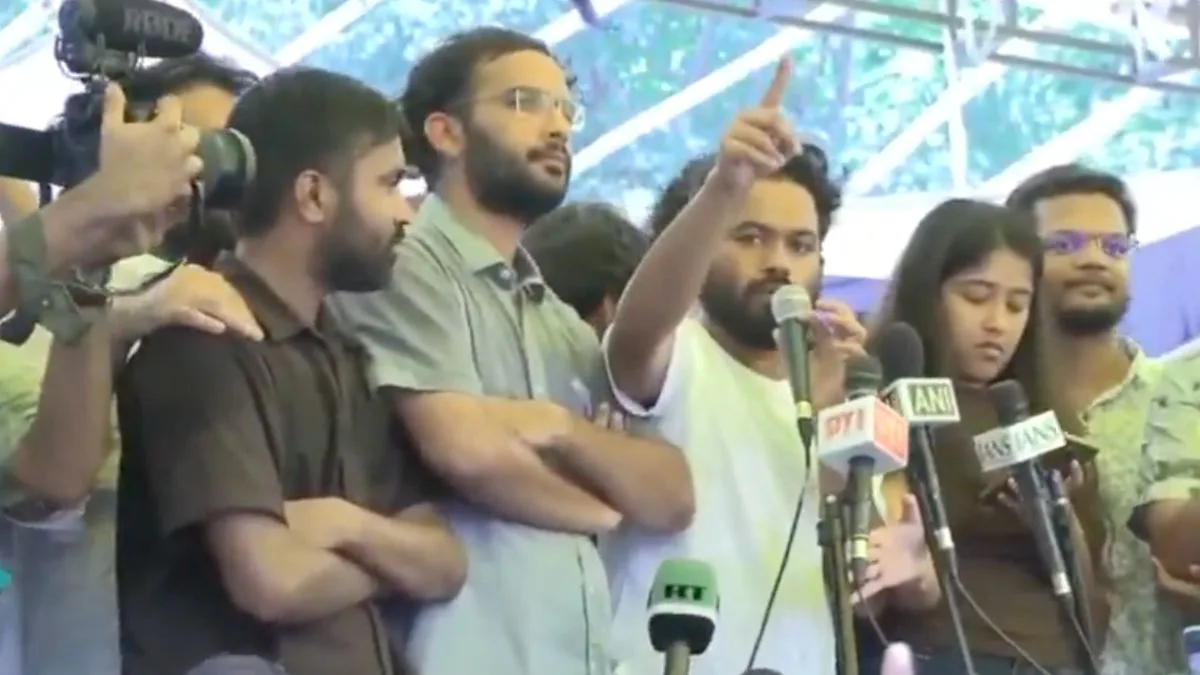
Student groups and Opposition workers formed a sizeable crowd, but the promised procession towards Parliament never emerged as one organised march.
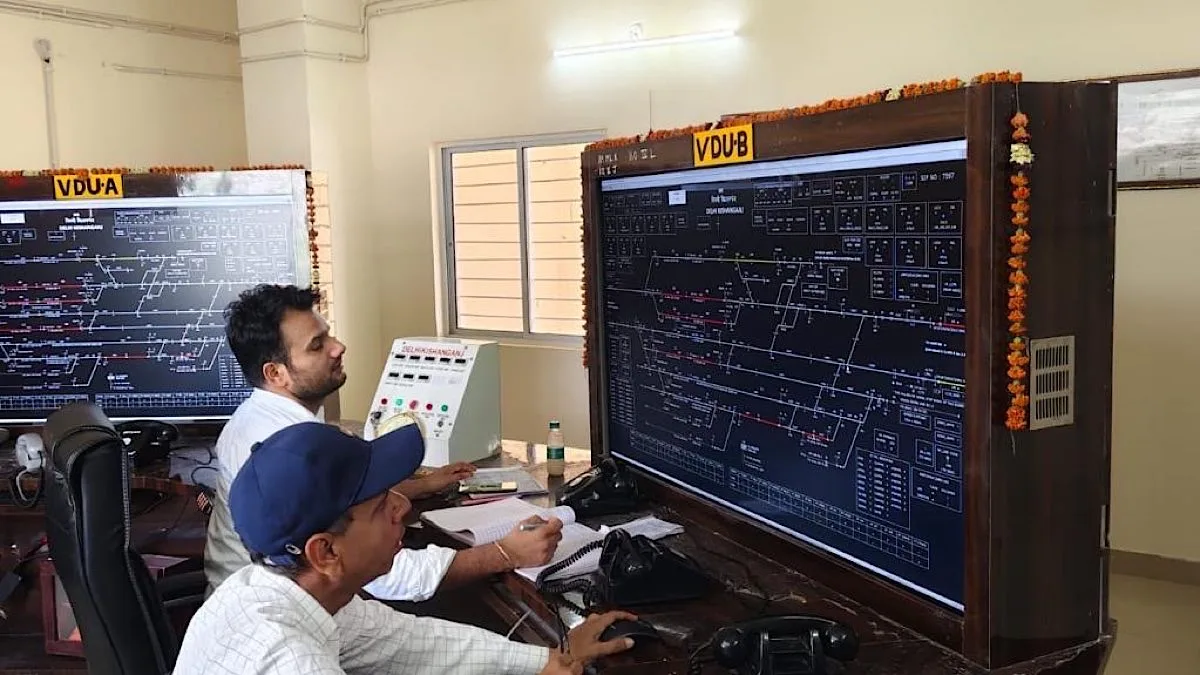
Delhi Division of Northern Railway is constantly endeavouring to upgrade its rail infrastructure and has completed a significant modernisation project at Delhi Kishanganj railway station.
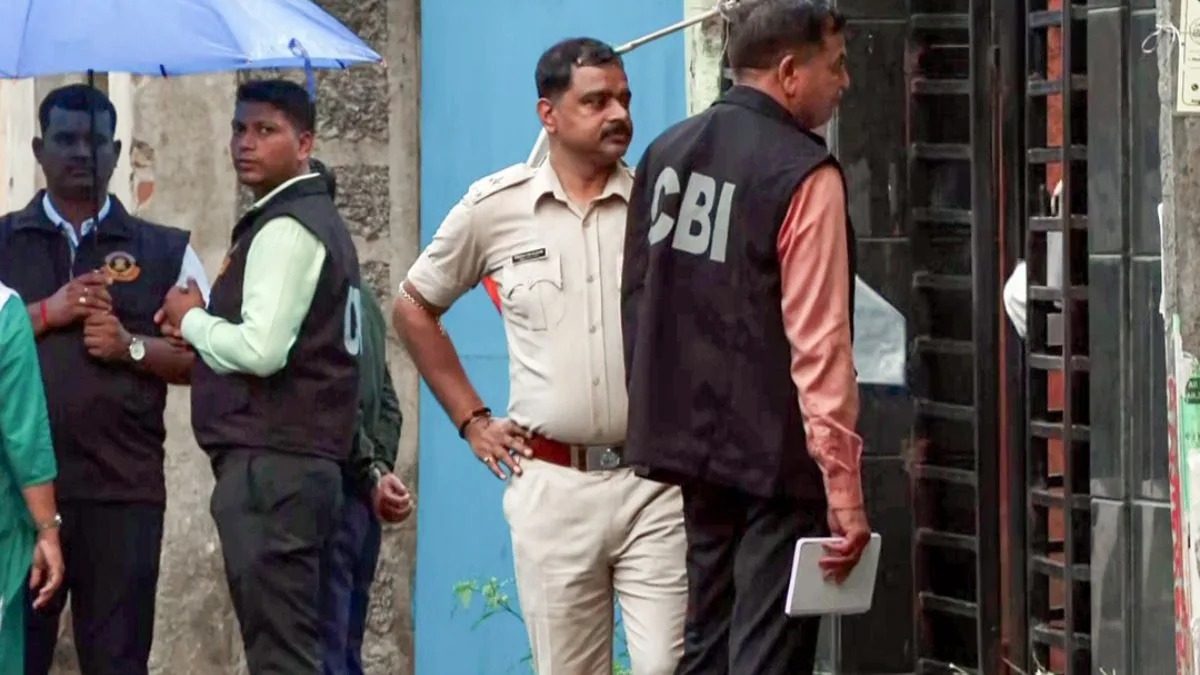
Investigators are tracing a Jharkhand vehicle trail and examining alleged confessions as the Chandranath Rath murder case takes new turns.
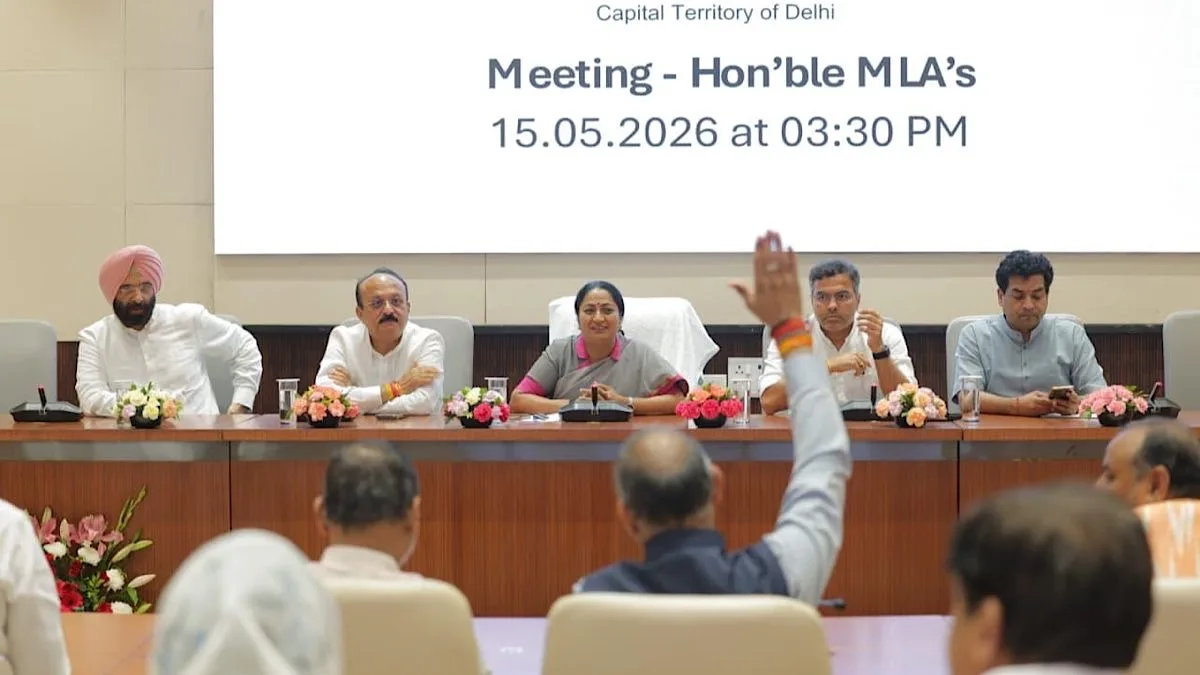
Chief Minister Rekha Gupta, while chairing an important meeting of the BJP legislators on Friday, urged them to take the Delhi government’s decisions and initiatives regarding Prime Minister Narendra Modi’s energy conservation call to every household across the national capital.
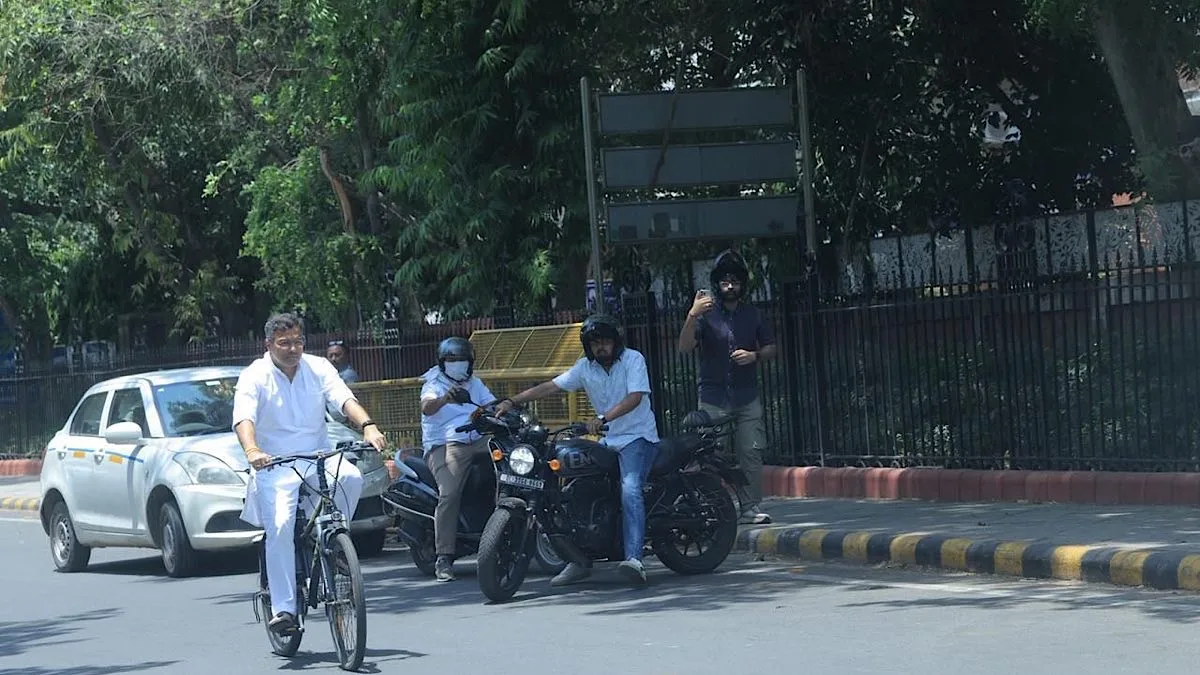
Sending out a message to public leading by example, Delhi Minister Parvesh Verma on Friday was seen riding a bicycle from his home to the New Delhi Municipal Council (NDMC) office, in an effort to translate Prime Minister Narendra Modi’s fuel conservation call into action.
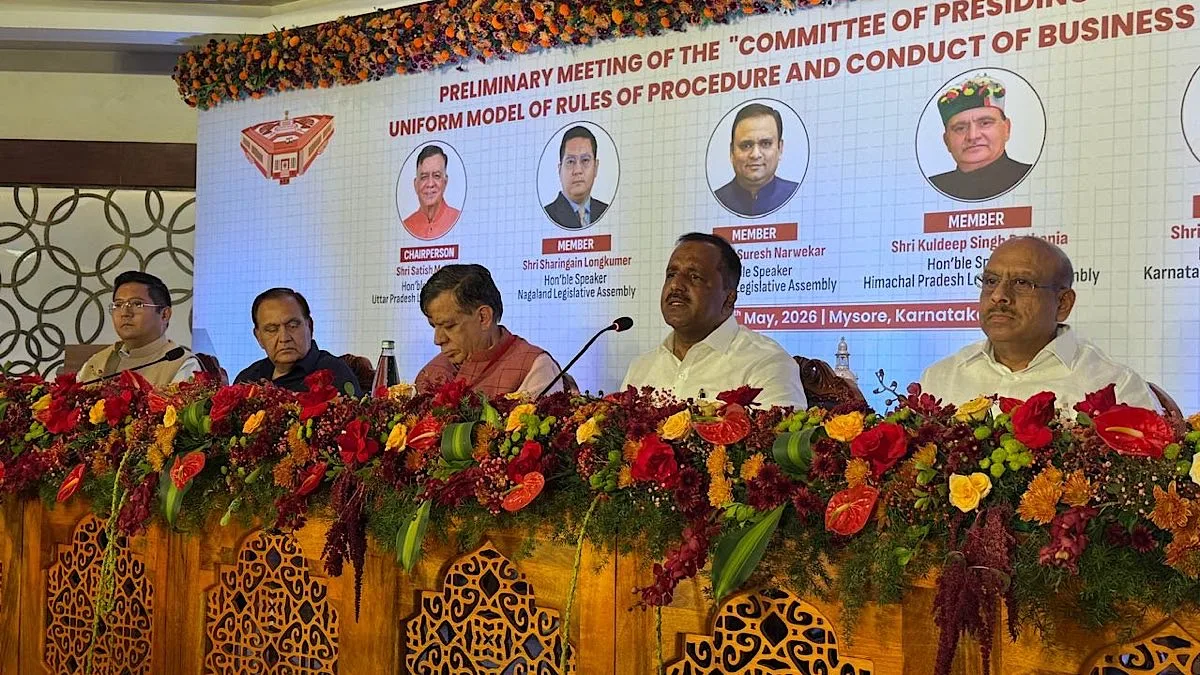
Delhi Assembly Speaker Vijender Gupta on Tuesday said that uniformity in legislative procedures is no longer merely desirable, but it has become an institutional necessity in times of digital legislatures and technology-driven governance.