RudraM-II passes crucial test as India sharpens indigenous strike capability
The successful RudraM-II trials validated multiple critical systems and highlighted collaboration between DRDO laboratories, the Indian Air Force and industry partners.
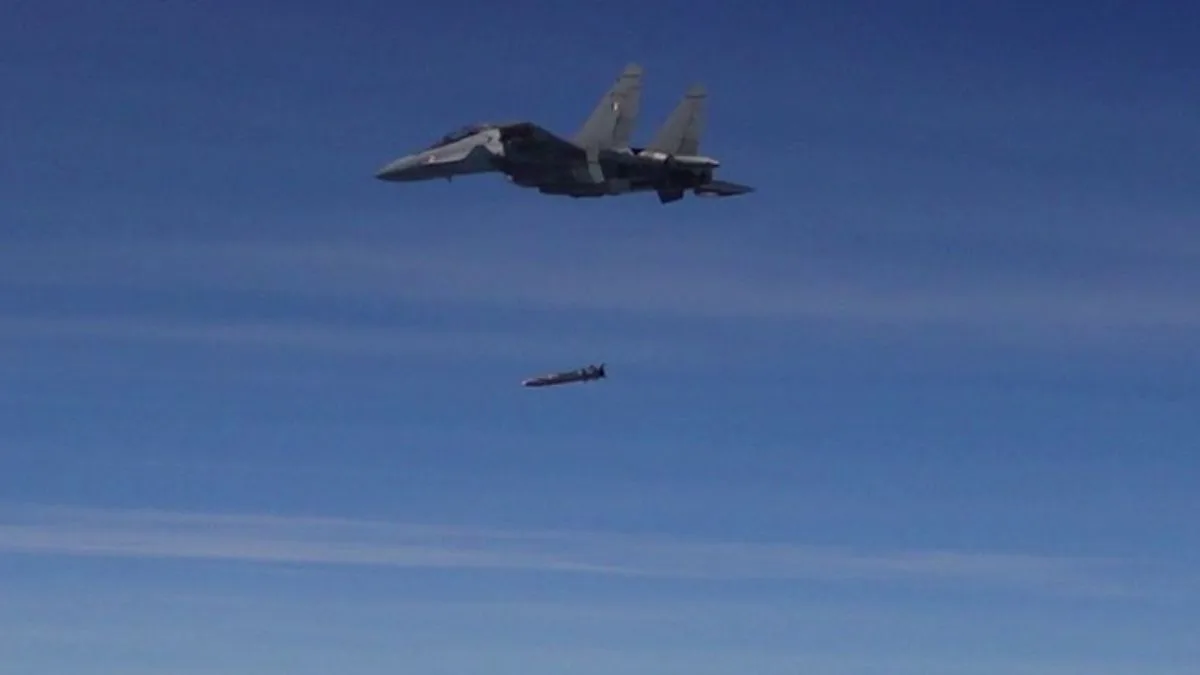
The successful RudraM-II trials validated multiple critical systems and highlighted collaboration between DRDO laboratories, the Indian Air Force and industry partners.
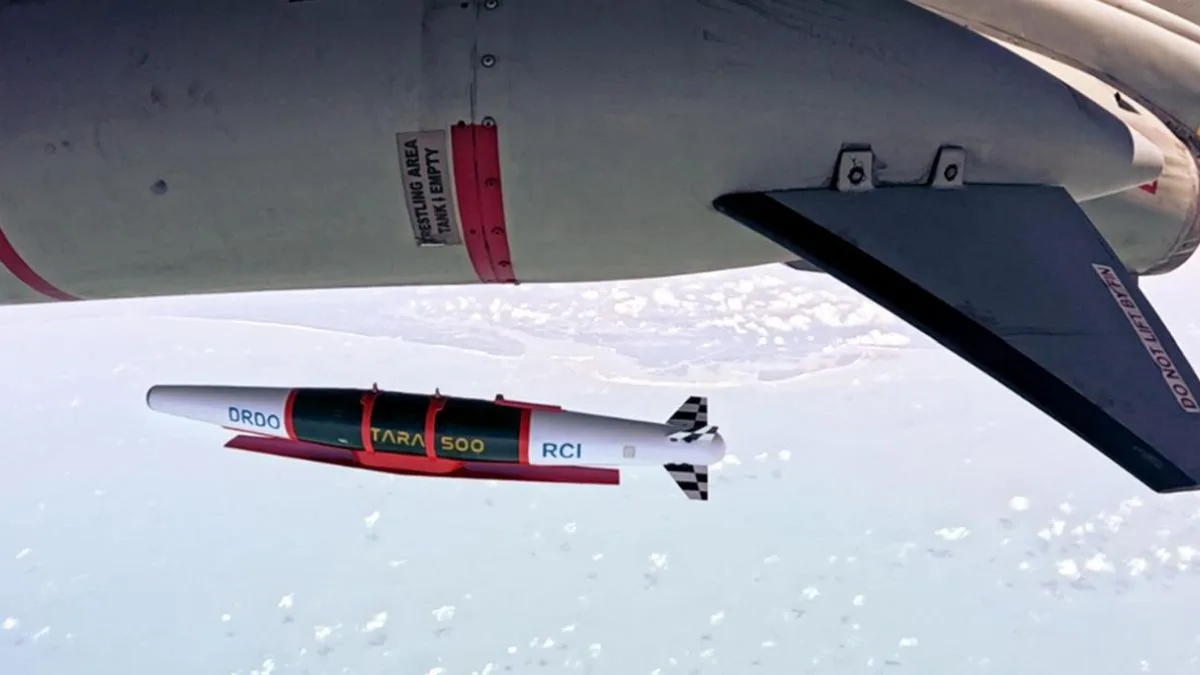
India has successfully tested the indigenous TARA glide weapon system, marking a key step in low-cost precision strike capability and defence self-reliance.

The defence minister credited young entrepreneurs and innovators for transforming India from a buyer into a builder, creator and global leader in cutting-edge defence technologies.
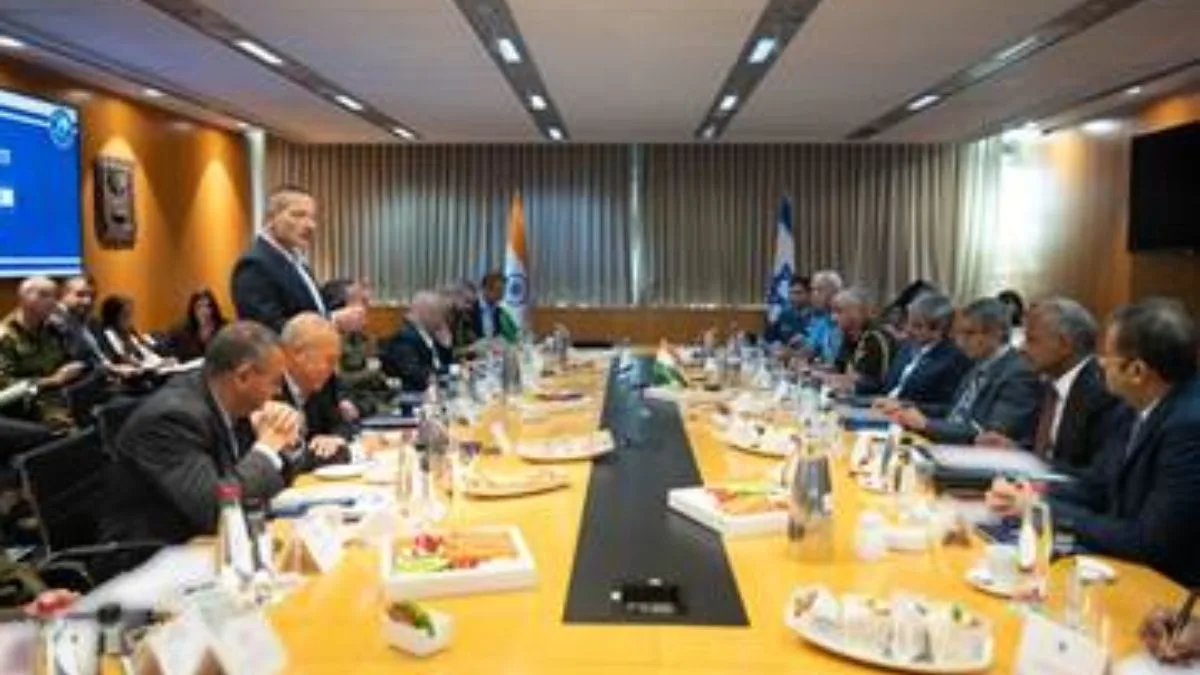
The MoU will enable the sharing of advanced technology and will promote co-development and co-production.
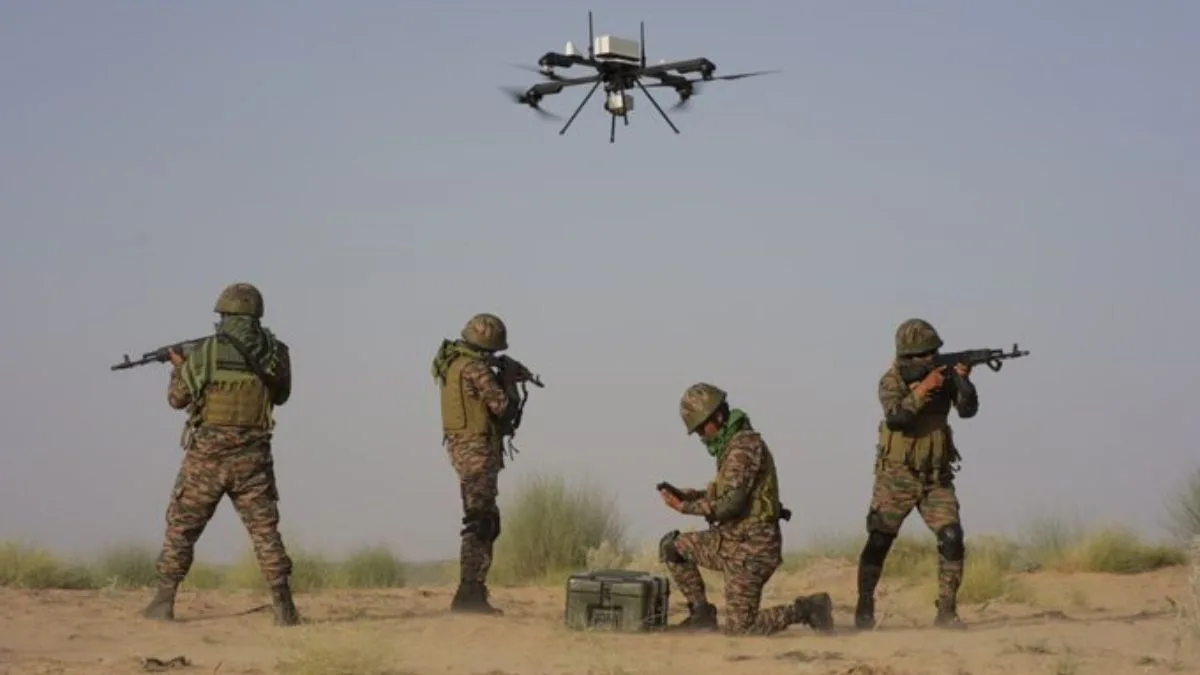
The desert terrain and weather conditions provided an ideal testing ground for both operations, officials said.
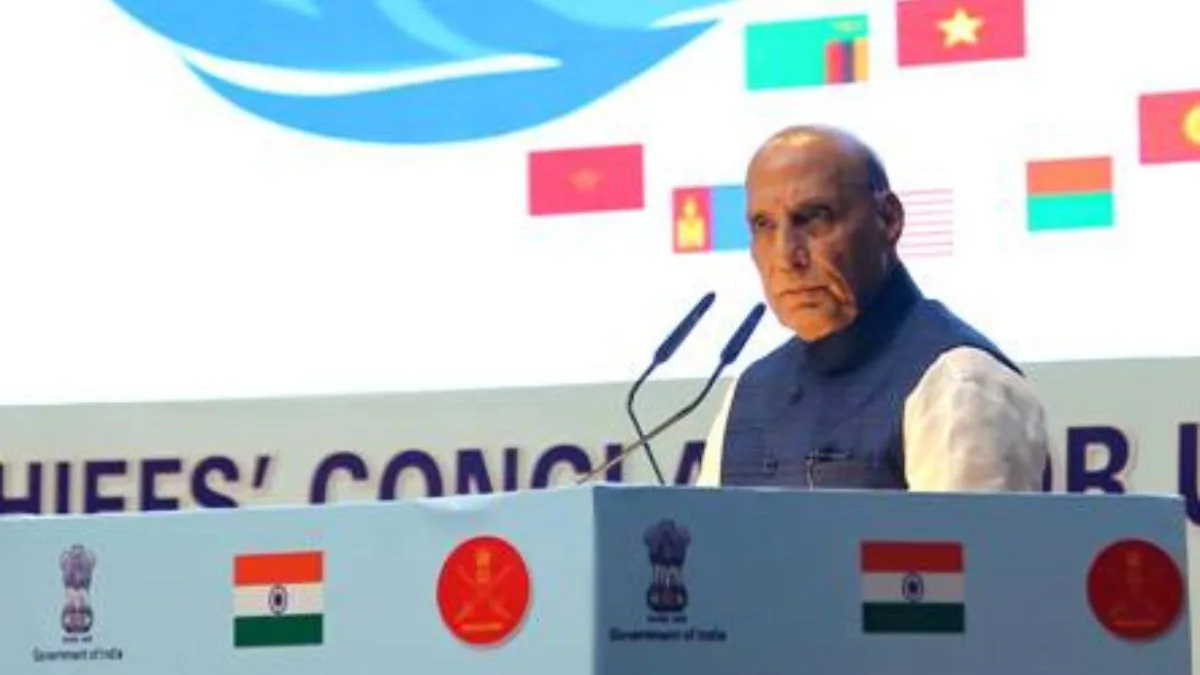
Singh emphasised that the traditional defence outlook is no longer sufficient in today’s times as wars are fought not only on the borders, but have now taken a hybrid and asymmetrical form.

The licensing agreements were handed over in the presence of Secretary of Defence R&D and Chairman of DRDO, Dr Samir V Kamat, during an event organised at VRDE in Ahilyanagar, Maharashtra, on Saturday, the Ministry of Defence said on Sunday.

The event, aimed at highlighting the role of innovation in defence, will be attended by Defence Minister Rajnath Singh along with the Chief of the Air Staff and other senior defence officials.

The ADITI scheme worth Rs 750 crore for the period 2023-24 to 2025-26 falls under the iDEX (Innovations for Defence Excellence) framework of Department of Defence Production (DDP), Ministry of Defence.