UP’s green agenda offers a template for India
Amid global turmoil and resultant impacts on global energy networks, India has firmly stood on its climate and clean energy agenda, towards its long-term goal of Viksit Bharat 2047.
Prime Minister’s Office confirmed Modi’s arrival in Oslo in a post on X, saying he was received at the airport by Norwegian Prime Minister Jonas Gahr Store.
In this context, the Delhi government is said to be exploring and examining the possibility of having a green budget that could contribute towards striking a balance between economic growth and protection of the environment in the capital.
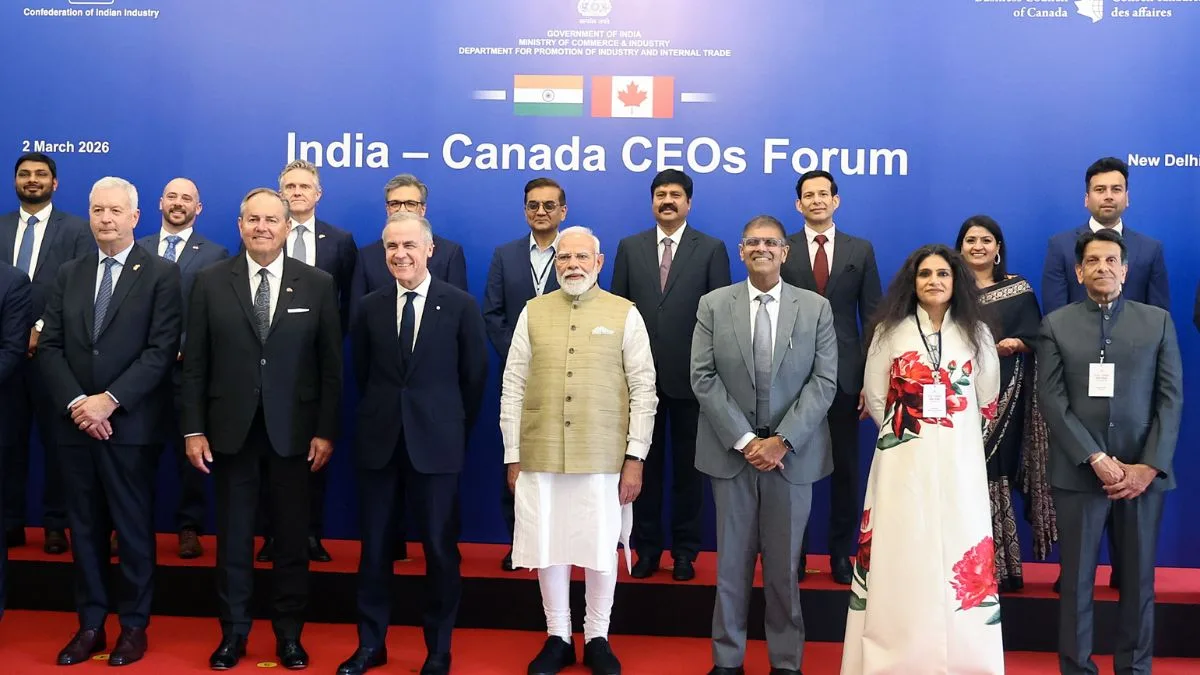
Addressing the India-Canada CEO Forum, Modi said the relationship was entering a transformative phase marked by renewed trust and clarity, despite global economic uncertainty.
In a post on X, the Prime Minister described the achievement as “commendable” and praised citizens for adopting solar power.
The relationship between India and the European Union rests on shared values and principles, including democracy, rule of law, a rules-based international order, and commitment to effective multilateralism.
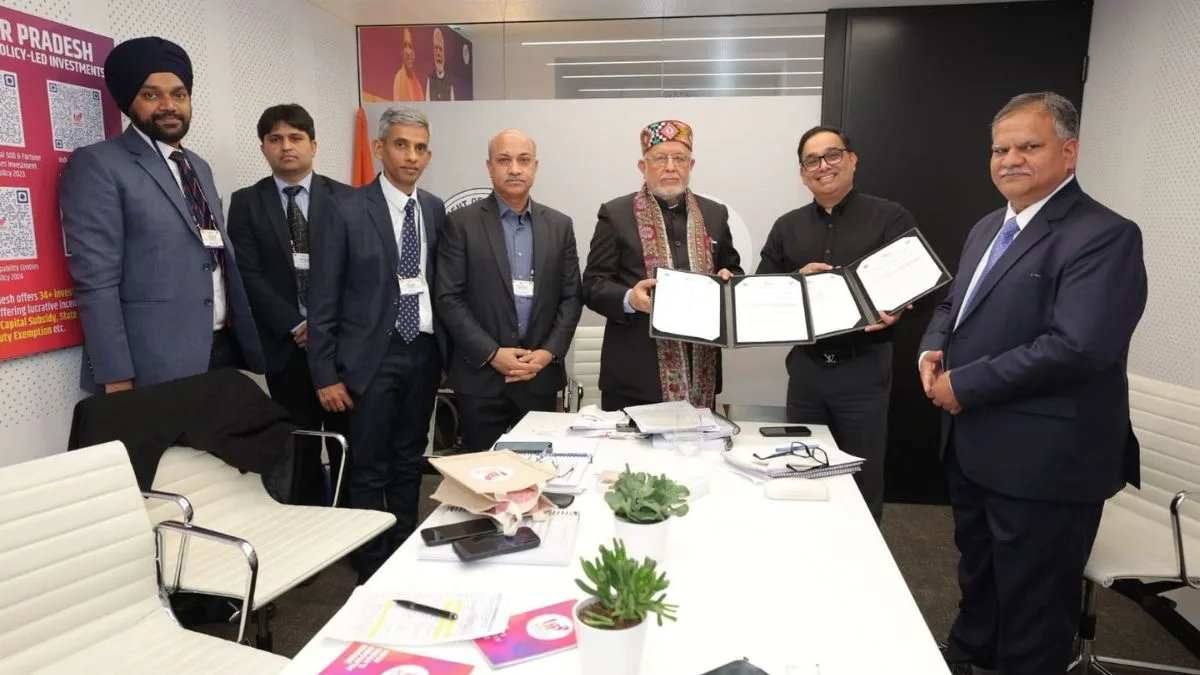
A major highlight of the day was the signing of a ₹25,000 crore MoU with Essar Group, marking one of the largest investment commitments secured by Uttar Pradesh during WEF Davos engagements.
The Australia-Canada-India Technology and Innovation (ACITI) Partnership was launched on the sidelines of the G20 Summit in Johannesburg.
“India has already reached 50% non-fossil energy capacity, five years ahead of its NDC target,” he added.
"The Indo-Pacific Oceans’ Initiative, where Japan co-leads the Maritime Trade, Transport and Connectivity pillar, has the potential to advance our contributions," Jaishankar said while addressing the 8th India-Japan Indo-Pacific Forum.