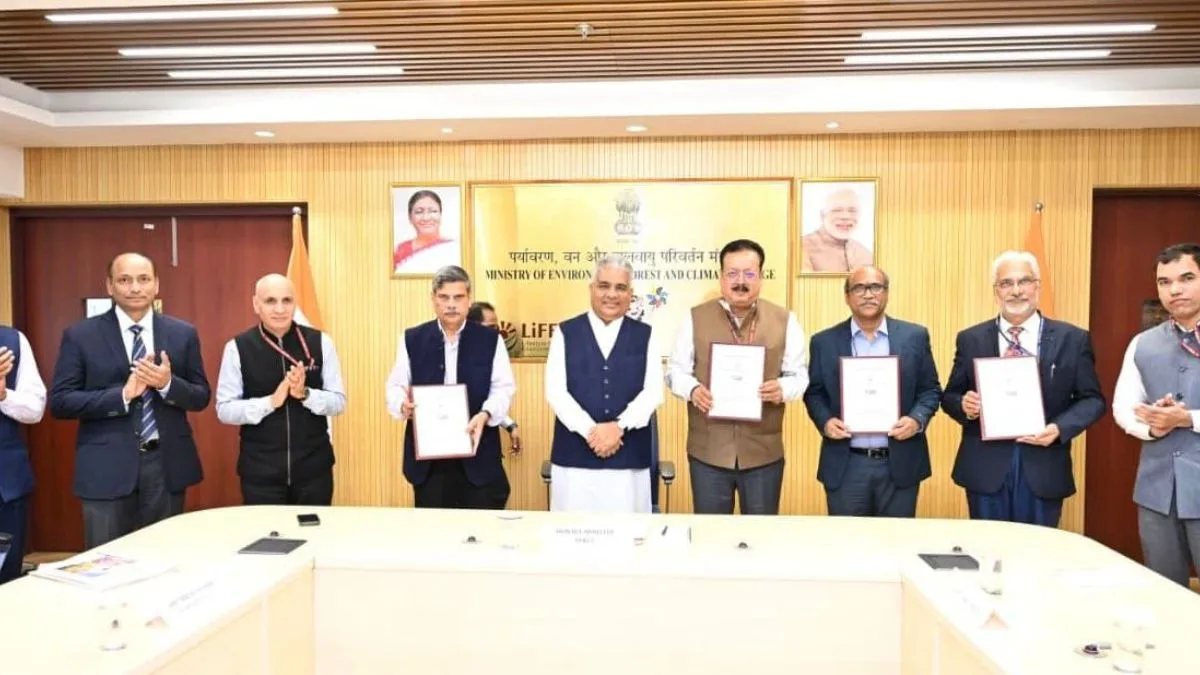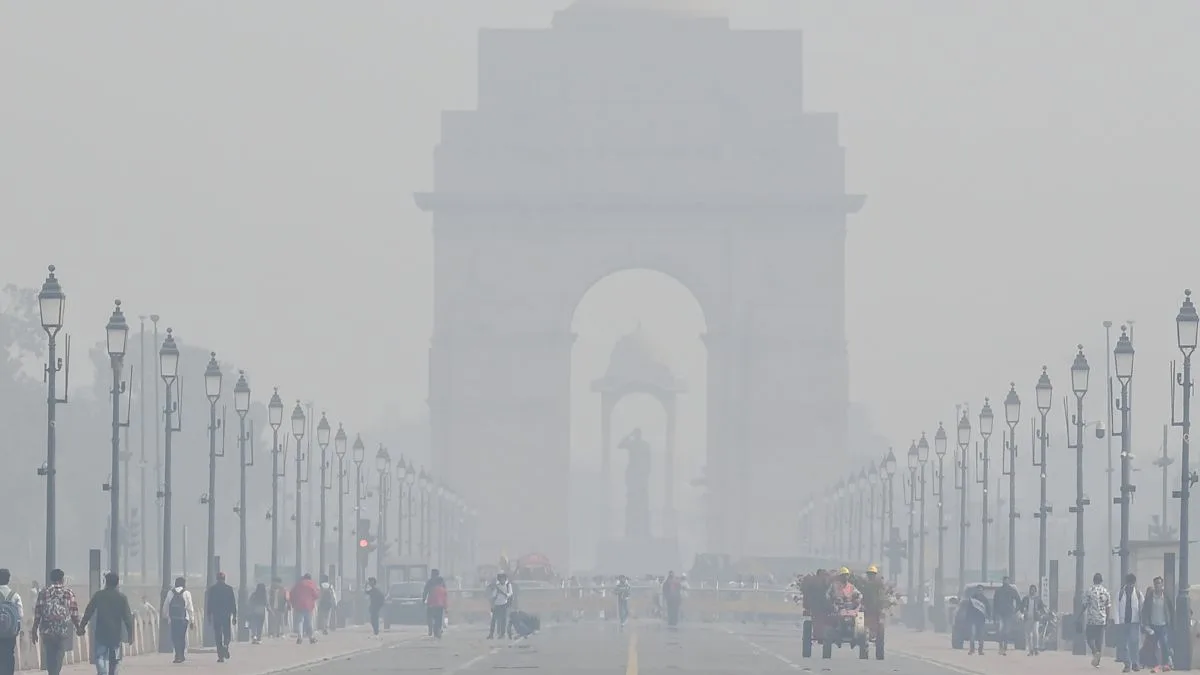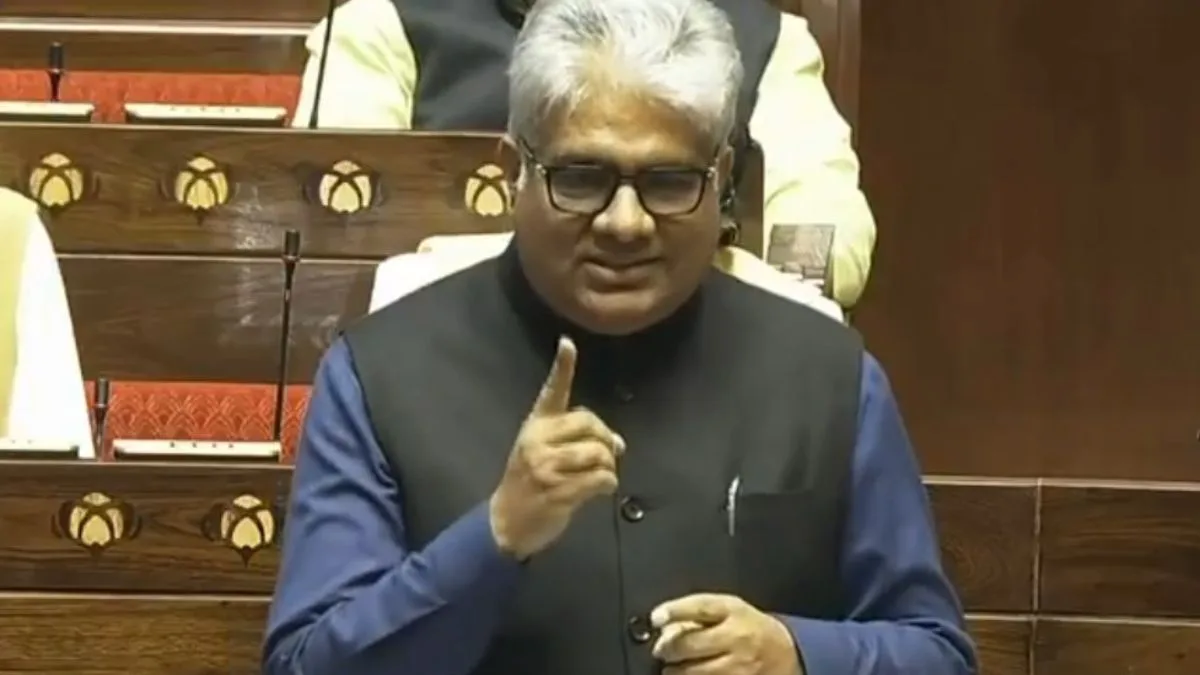
Air pollution remains a major challenge in Delhi-NCR region: Bhupender Yadav
The framework aims to improve road cross-sections, right-of-way (RoW) utilisation, greening measures and road maintenance protocols across the NCR.
The remaining enforcement actions arising out of violations reported in the 125th ETF meeting were also examined, along with proposed actions in respect of violations identified during the period.
The new standard is based on the recommendations of the Central Pollution Control Board (CPCB) based on studies conducted by IIT Kanpur and the Technical Committee constituted by the pollution control board.
The CAQM, in view of the forecasts for meteorological conditions and air quality index made available by Indian Meteorological Department (IMD) and the Indian Institute of Tropical Meteorology (IITM), respectively, has taken a call on the preventive, restrictive measures under stage II of GRAP, invoked in the entire NCR on October 19 last year.
The Sub-Committee had invoked Stage III of GRAP on January 16, following a deterioration in Delhi’s average AQI. Subsequently, Delhi’s air quality showed a downward trend.
Vehicles below BS-IV standards are not to be allowed on these corridors, Yadav said.
The Commission for Air Quality Management in NCR and Adjoining Areas (CAQM) has reviewed sector specific enforcement actions taken by the concerned NCR state governments and the Delhi government to abate air pollution in Delhi-NCR.
CPCB informed that an SOP for OCEMS installation has already been issued, and NCR SPCBs have been directed to ensure early and verified installation.
The agency attributed the declining numbers to stricter state-wide monitoring and enforcement measures.
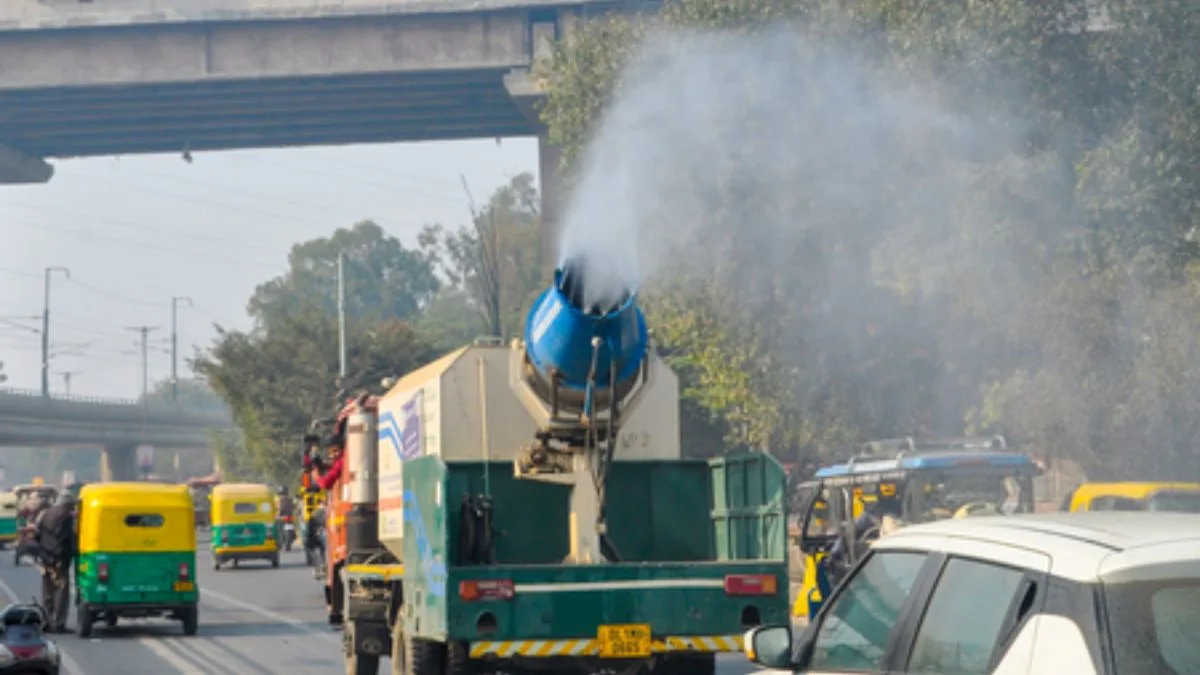
According to a statement by the CAQM, the drive, conducted on Saturday, was undertaken to strengthen on-ground monitoring and intensification of dust mitigation measures under the statutory framework and the extant GRAP in-force.