Rijiju, monks among hundreds pay homage to sacred relics of Buddha in Leh
Union Minister Kiren Rijiju on Tuesday paid homage to Buddha’s sacred relics and offered prayers, highlighting the spiritual and cultural significance of the exposition.
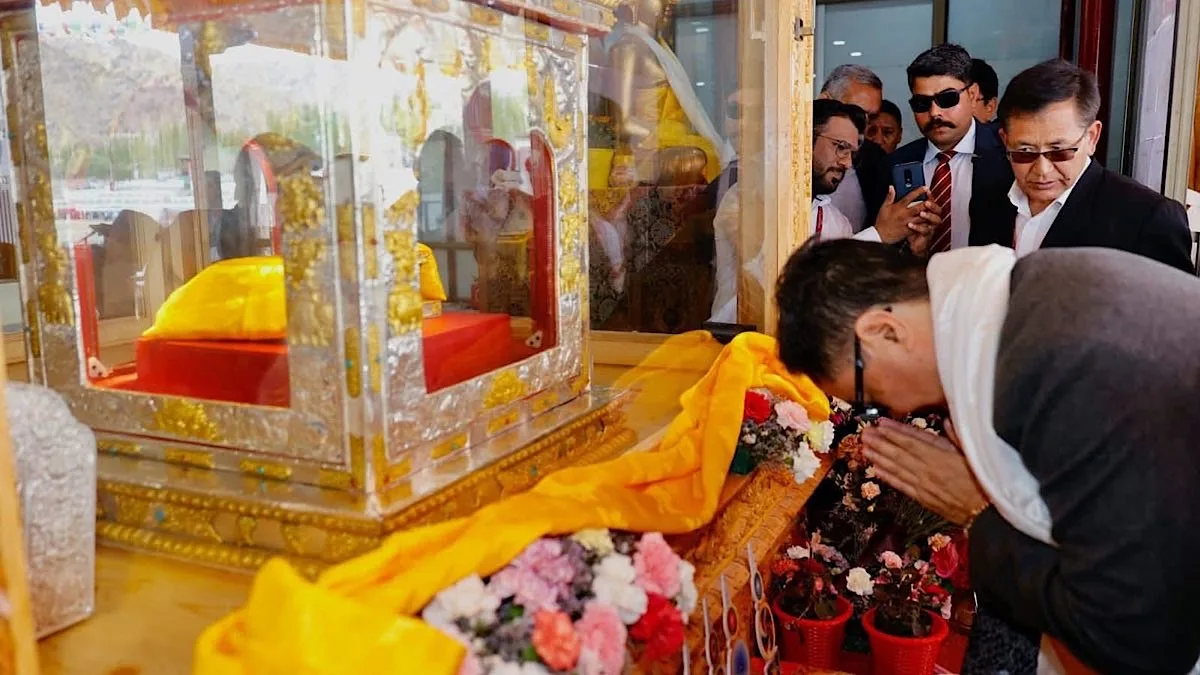
Union Minister Kiren Rijiju on Tuesday paid homage to Buddha’s sacred relics and offered prayers, highlighting the spiritual and cultural significance of the exposition.
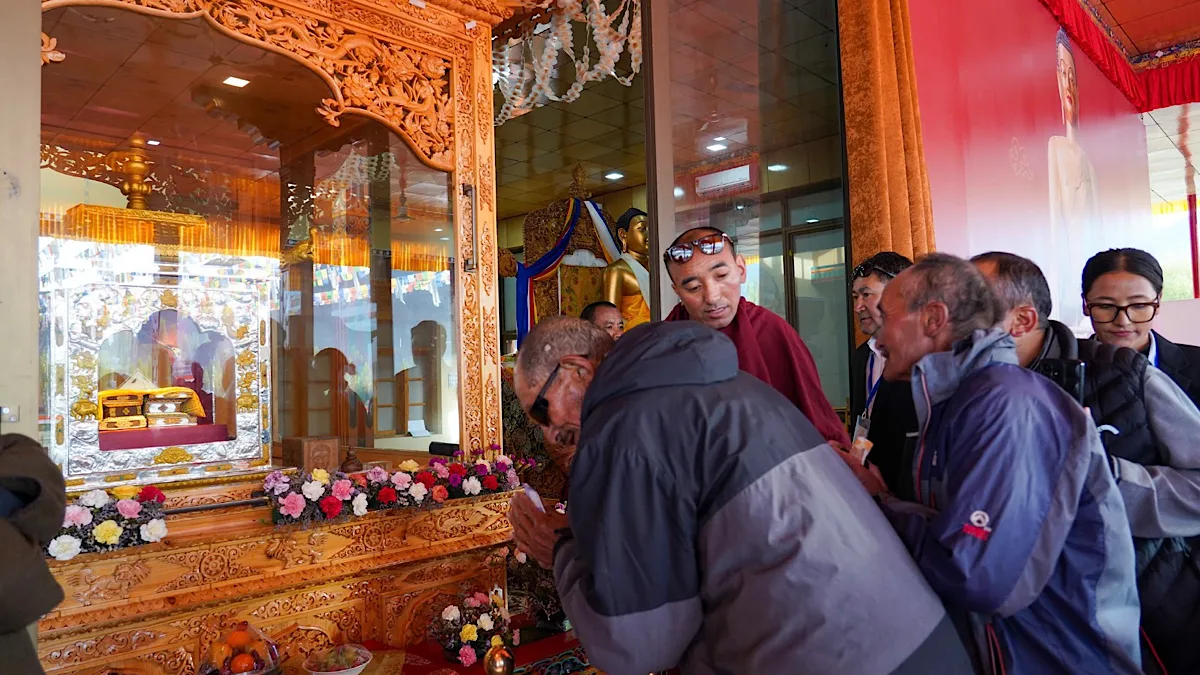
Hundreds of devotees queued up on Saturday to offer prayers at the public exposition of the sacred relics of Lord Buddha at Jivetsal in Leh.
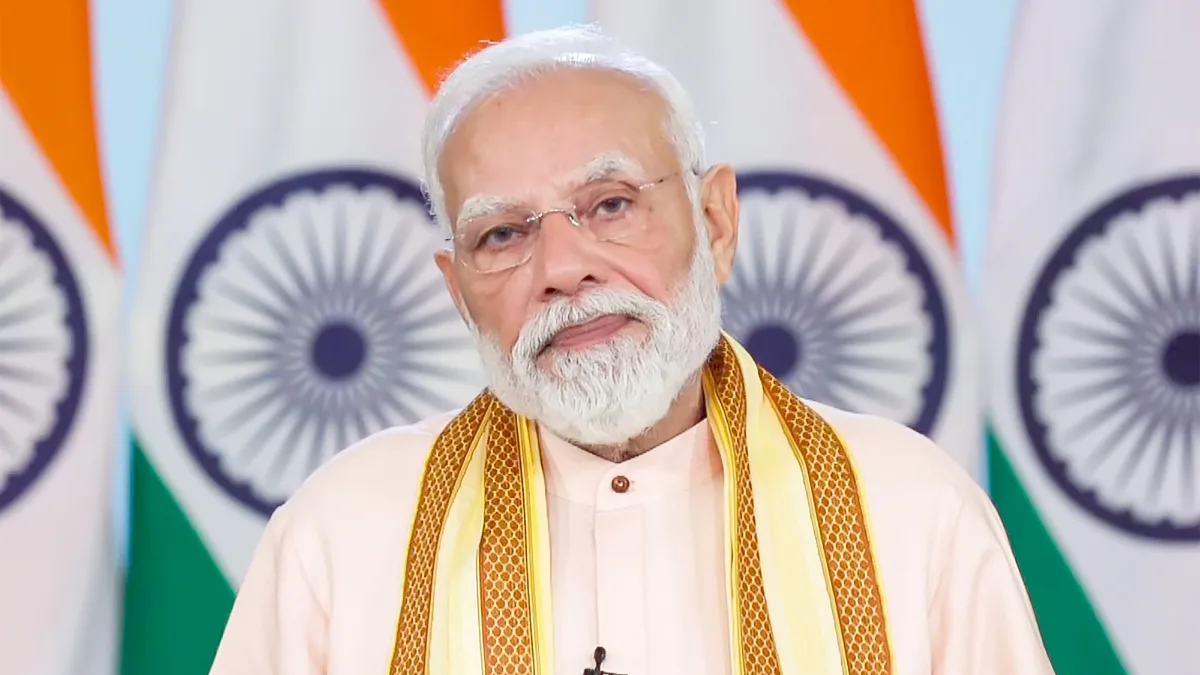
The event marks a milestone in India’s cultural history, reuniting repatriated Piprahwa relics with those preserved in the National Museum and the Indian Museum for the very first time.
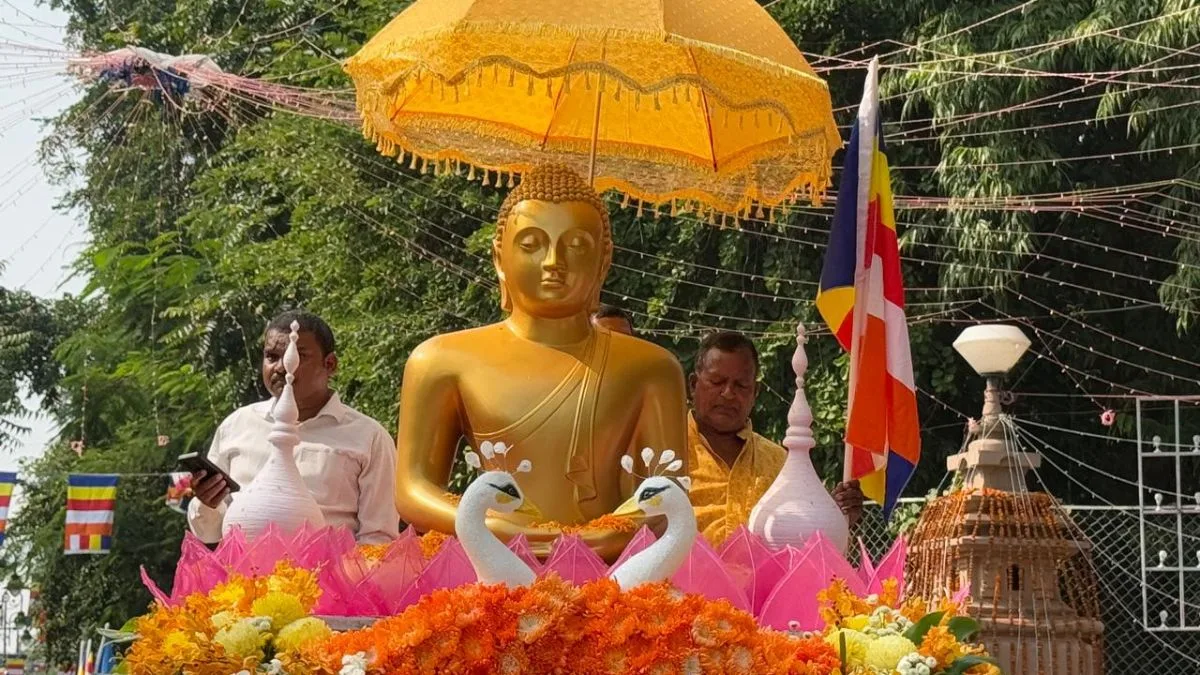
The event marked the 94th anniversary celebrations of Mulagandha Kuti Vihara—the revered site where the Buddha delivered his first sermon, Dharmachakra Pravartana, revealing the Four Noble Truths and the Eightfold Path.
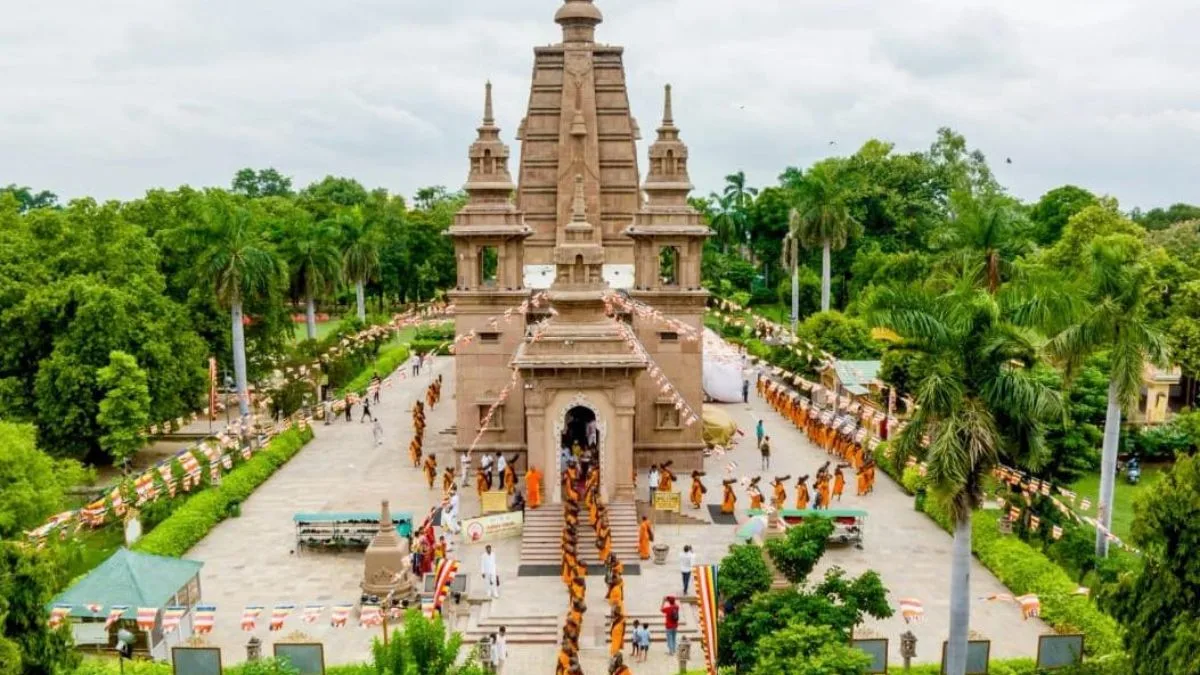
The event coincides with the 94th anniversary of the Vihar, which is located at the site where the Buddha delivered his first sermon, the Dharmachakra Pravartana.

The holy Buddha relic exposition witnessed a sea of devotees on Saturday, with lakhs of devotees lining up since early morning to pay homage to Lord Buddha.
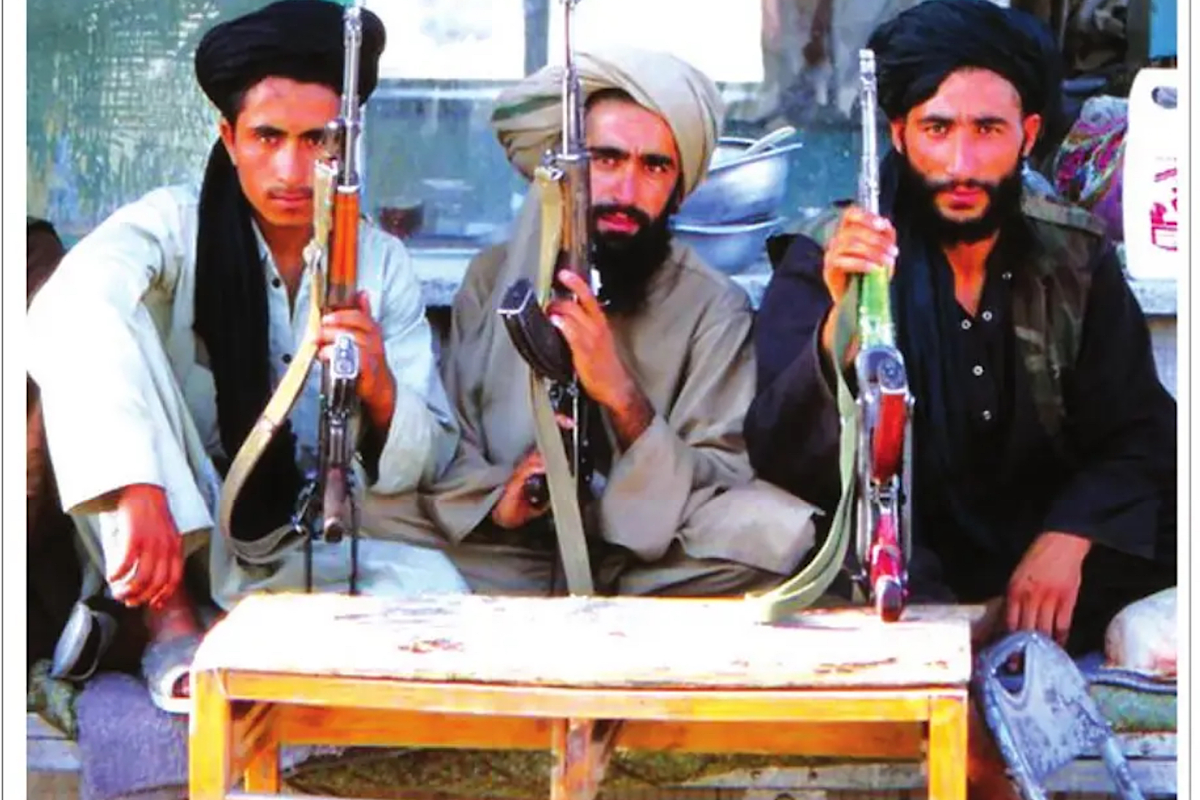
Khyber Pakhtunkhwa’s Shangla District personifies the violent ‘badlands’ since eons. Ancient relics of Alexander’s Greek army, Buddha sculptures and the mushrooming of madrassas are part of its antiquity and civilisational turmoil.
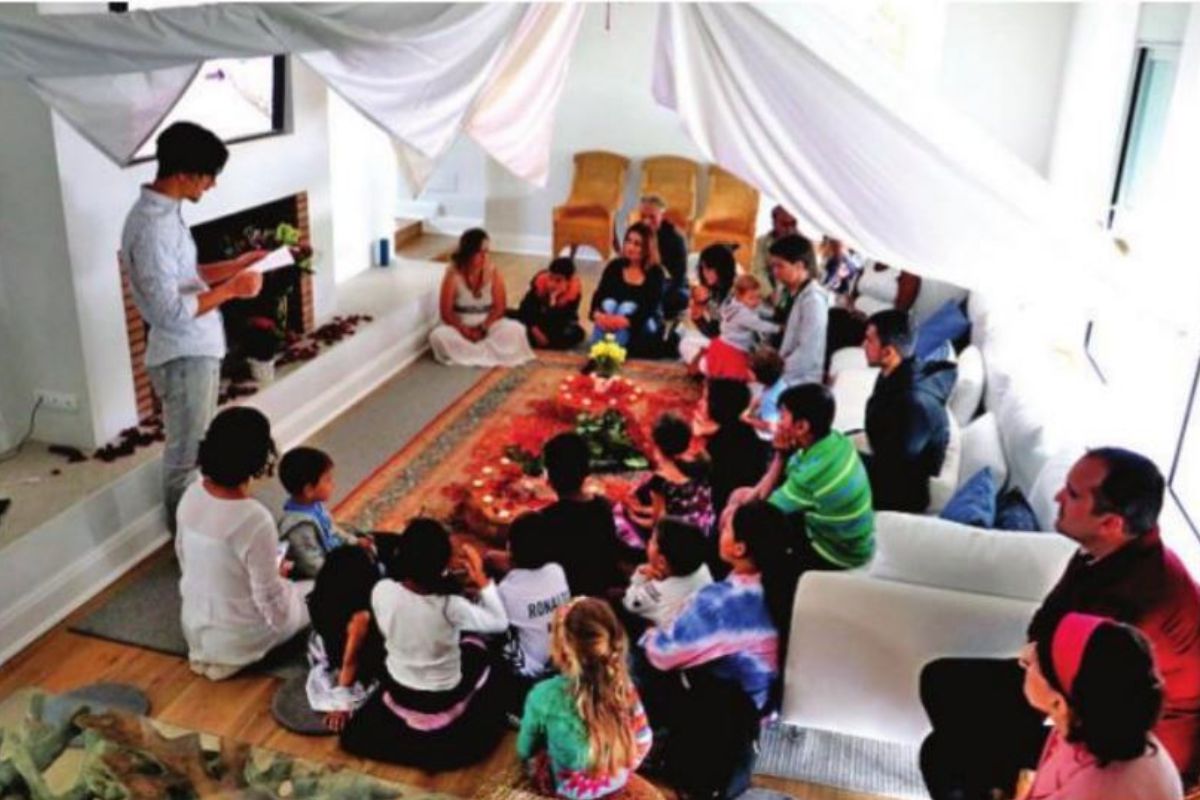
Dharma or religion plays an important role in how we understand time - both the linear time of history and the cyclical times of social and spiritual events. In that sense, history is still, according to the Baha’i writings, an unsatisfactory record of human progress.
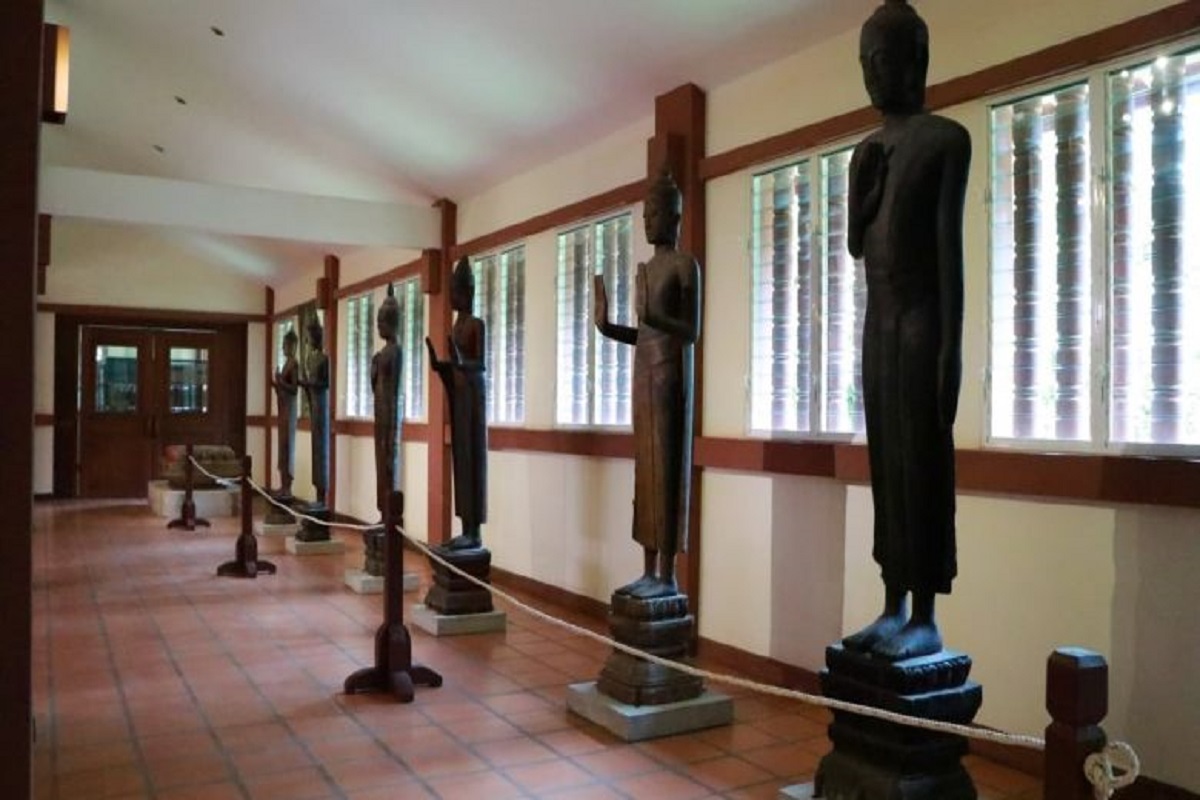
In the statement, the museum’s acting director Pen Chamrong explained that during a visit to Angkor Conservation, culture minister and ANA president Phoeurng Sackona had suggested putting the Khmer relics on public display.
Gandhi has been worshipped but largely ignored in official policy-making in the fields of science, technology and industrialisation. Emotional outpourings, like describing him as the greatest Indian after Buddha or so, do not deepen or widen our understanding of the man. It is about time we read more of him. Only then a clearer image of this down-to-earth man ~ not against science or scientists ~ will emerge.