Rethinking History ~ II
The constitutional debates of the 1920s acquired a new urgency after the Communal Award of 1932 and, more decisively, the Government of India Act of 1935.
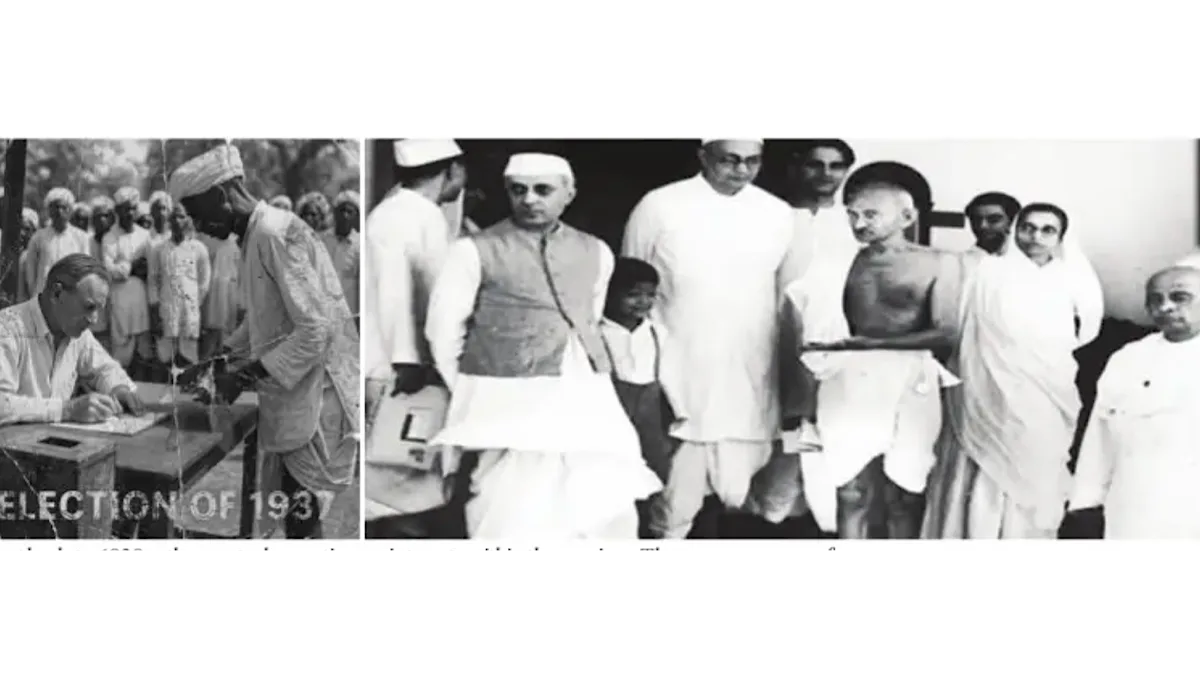
The constitutional debates of the 1920s acquired a new urgency after the Communal Award of 1932 and, more decisively, the Government of India Act of 1935.

"It's shocking that in 2025-26, the previous government allocated a meagre Rs 6 crore for the entire 75 blocks of Junglemahal districts," Suvendu Adhikari said.

The most revealing moments in politics are rarely the ones that end careers. They are the ones that do not.
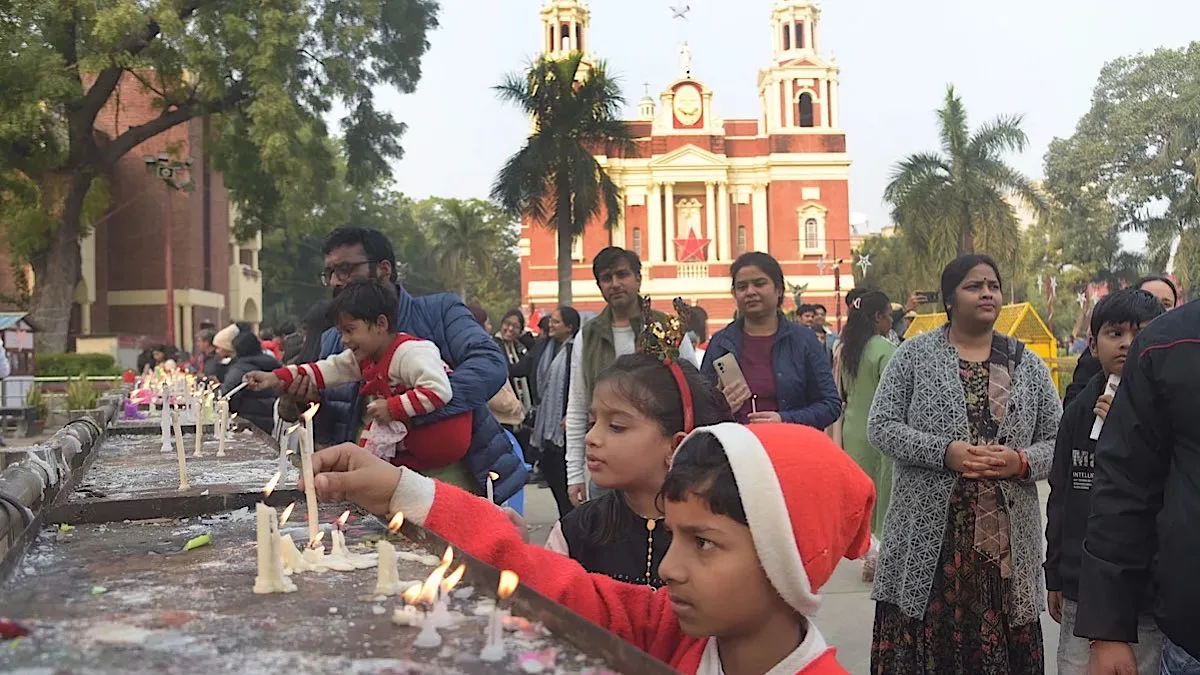
The annual Serampore Heritage Utsav, a festival tomtomming the intriguing cultural mix of the town's rich Danish, British, and Vaishnavite history, was inaugurated last Monday and has already proved a draw with its heritage walks, river cruise, old temples, and even a palace.

Rachel Reeves’s latest Budget attempts something British chancellors before her rarely managed with conviction: mixing fiscal restraint with visible social compassion.

Boycott and Swaraj: these were weapons of mass unrest and grievance to challenge the British Indian Government announcement on 19 July 1905 to partition Bengal.

The British Prime Minister reiterated his country's stance on securing US involvement in Ukraine's future defense, emphasising that discussions with the United States are ongoing "on a daily basis."

British Prime Minister Keir Starmer met with visiting Ukrainian President Volodymyr Zelensky.

British No. 1 Jack Draper has announced his withdrawal from the Dubai Tennis Championships, opting to manage his body and focus on long-term fitness following a demanding run at the Qatar Open.

A jury in western New York convicted Hadi Matar, a 27-year-old from New Jersey, of attempted murder for the stabbing of Indian-born British author Salman Rushdie, The New York Times reported.