Sardar Teja Singh Samundri: A Colossus of Sikh Awakening
A century after his martyrdom on July 17, 1926, remembering the man whose quiet courage and unwavering principles reshaped the Sikh panth.
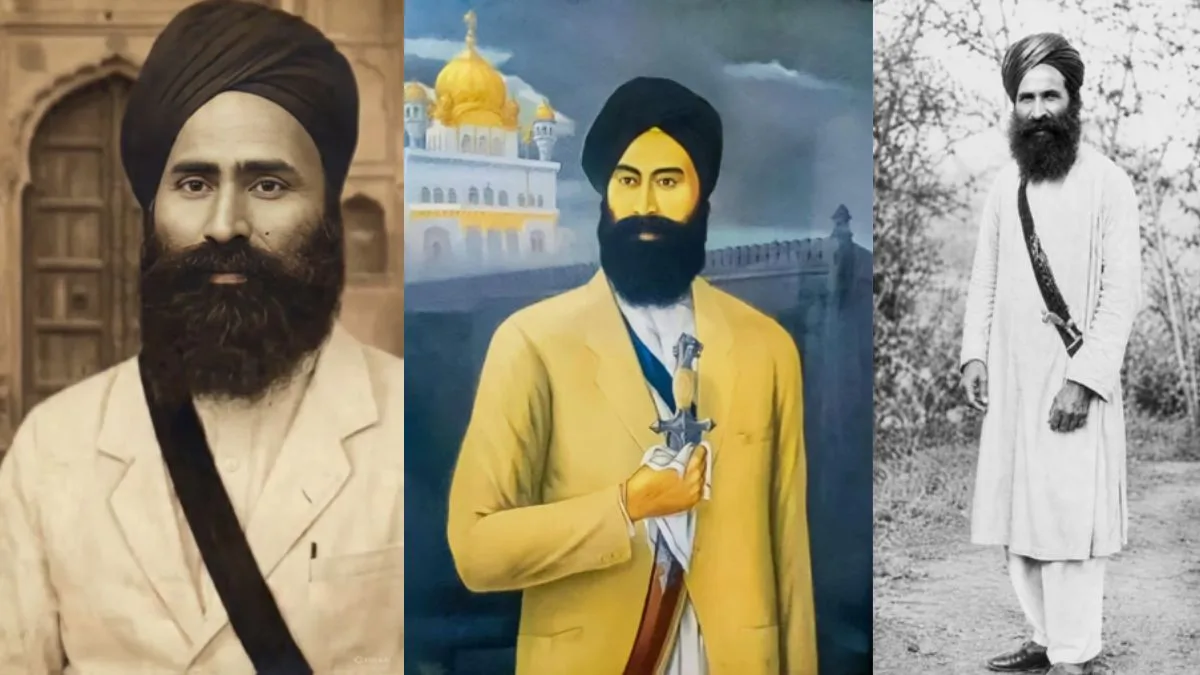
A century after his martyrdom on July 17, 1926, remembering the man whose quiet courage and unwavering principles reshaped the Sikh panth.
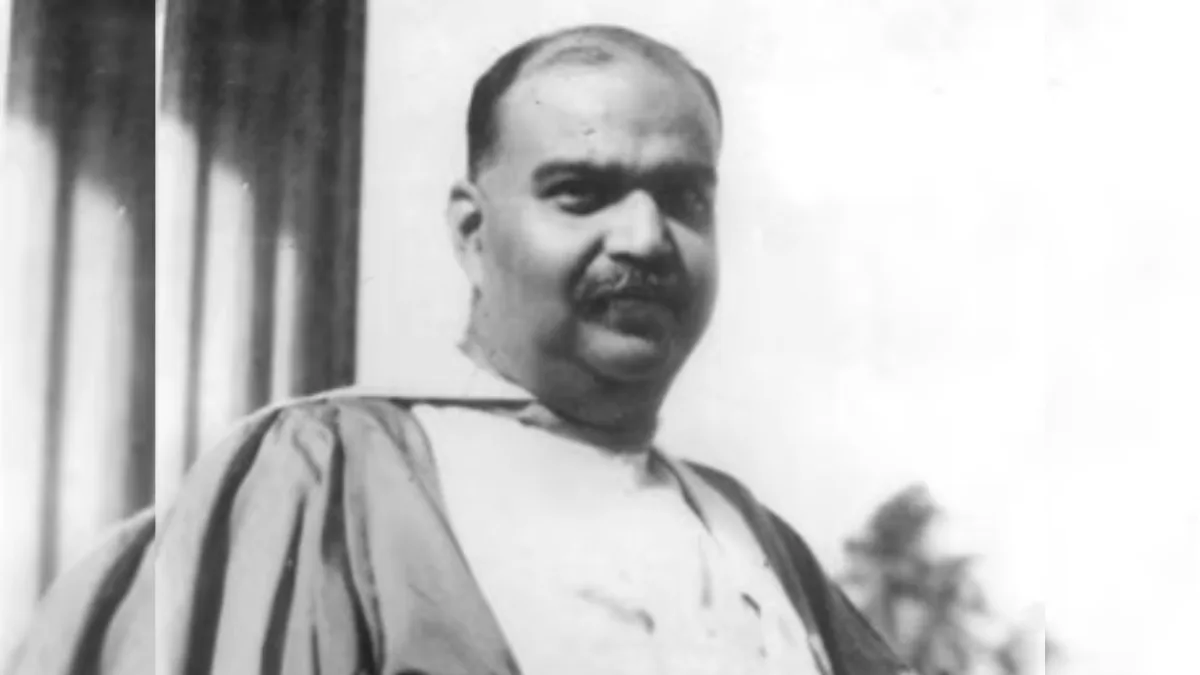
The book shares insights on the impact of the Second World War, the war policy of the British administration and Indian political parties, and the demand for self-governance.
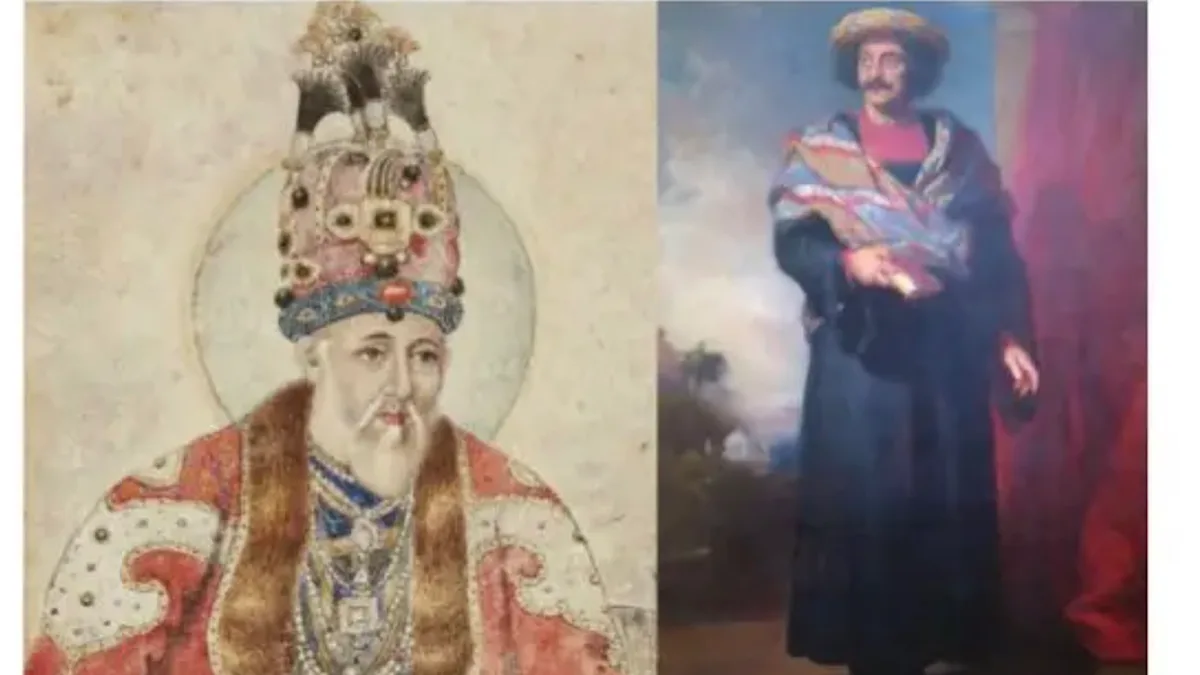
As the dust of politics settles down on statements made by a state-level senior leader on Raja Rammohun Roy - saying that Roy was a ‘British agent’ who started a vicious cycle of religious conversion ~ it is time to note where the leader had ‘slipped up’ before he tendered his apology.

What does a city lose when its monuments fall silent, their stones eroded, their stories forgotten? It loses not merely architecture, but memory itself—and with it, a measure of its soul.

Imperialist poet Rudyard Kipling’s White Man’s Burden is an unashamedly racist poem predicated on the premise that the ways of Westerners are superior to those of the “devil-like” irresponsible and flighty natives.

Cooch Behar, the area became the heart of the Kamata Kingdom in the 12th century, during the British Raj it was ruled by the Koch dynasty until 1949, is highly sensitive politically compared to two other LS seats in northern north Bengal.
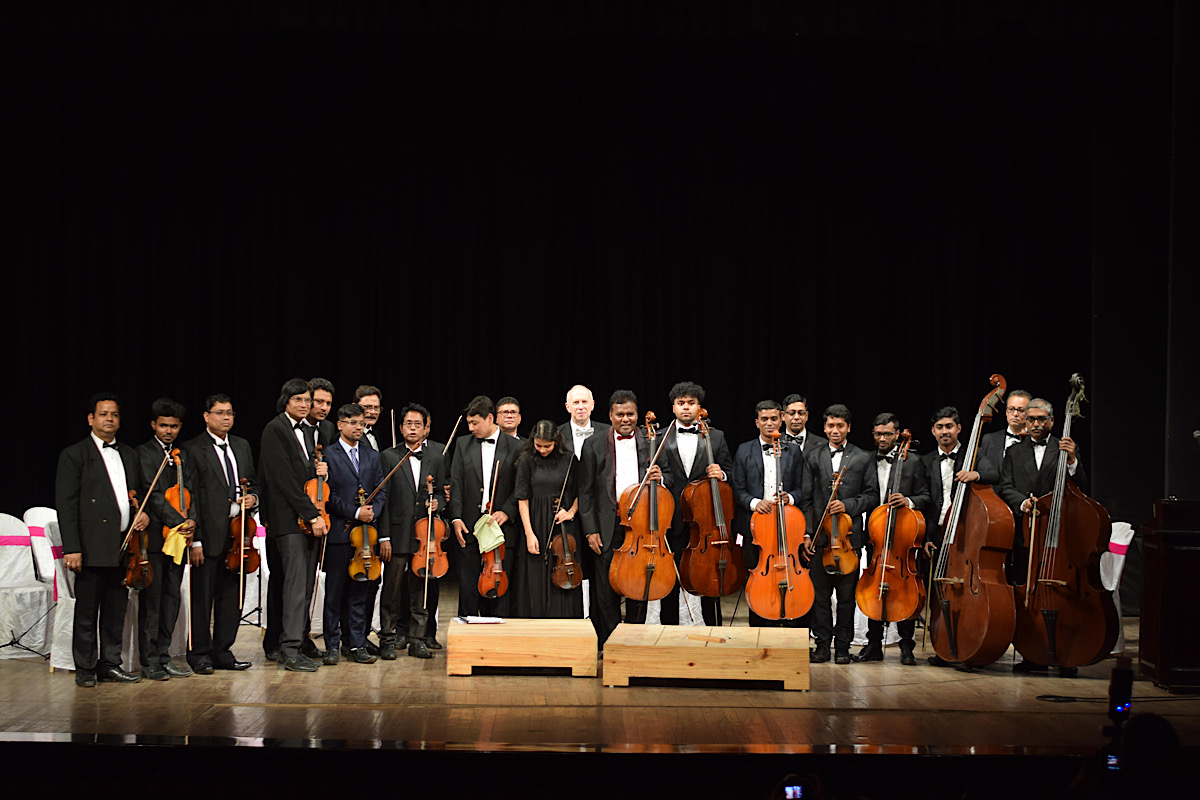
The British Raj had once introduced occidental music, namely western classical music, to this city when they reigned supreme in an era long gone into the past.
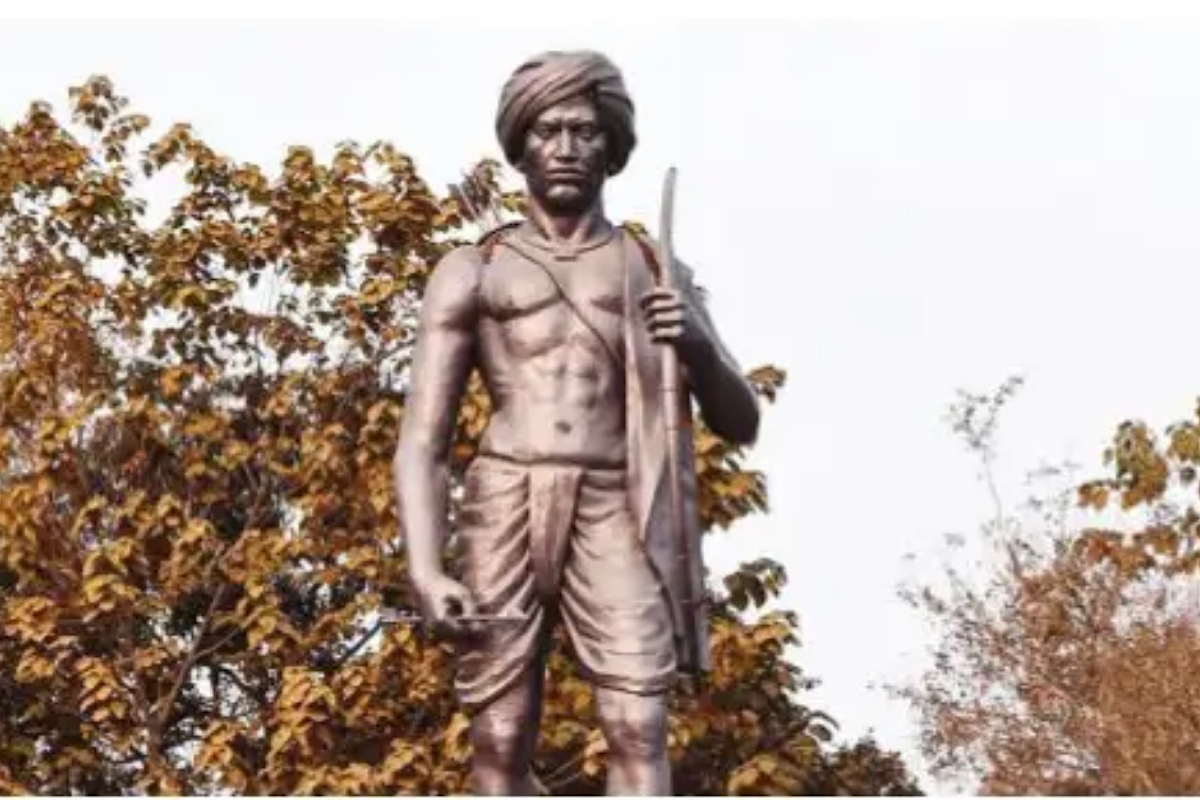
Birsa Munda (1875-1900) emerged as ‘Dharti Aba’ (Father of the Earth) in Munda society and is now being worshipped again as ‘Lord’ or ‘Bhagwan’. He was the prophet, the visionary and the ultimate revolutionary. The short life of Birsa commands profound respect.
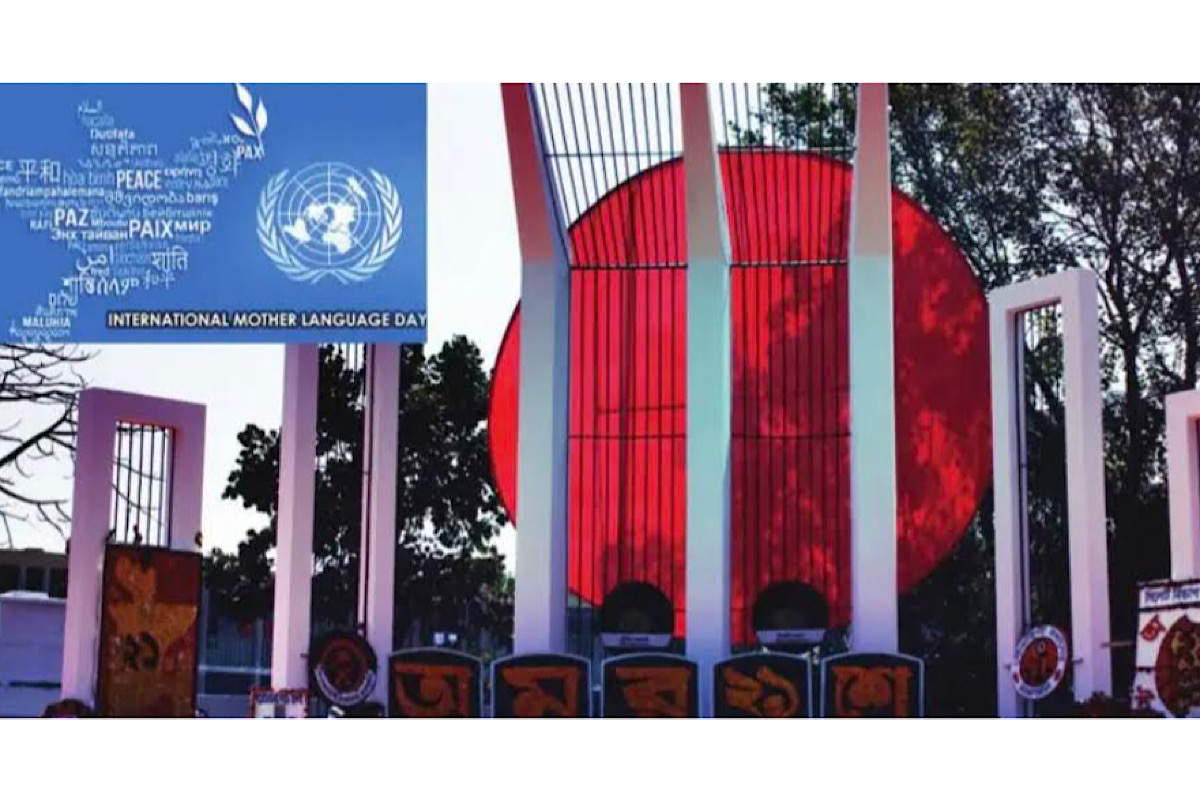
Language is not just an instrument of expression, grammar, and philosophy, it embodies the genius of a race and its culture. It is also an icon an emotive symbol for which people die as martyrs. It happened with the Jews, the Irish and the Bengalis (rather Bangladeshis). As an instrument of articulation, it is indispensable, and as an icon, so noble and chaste. But when it is used as an instrument of oppression by means of imposition, it may prove to be dangerous
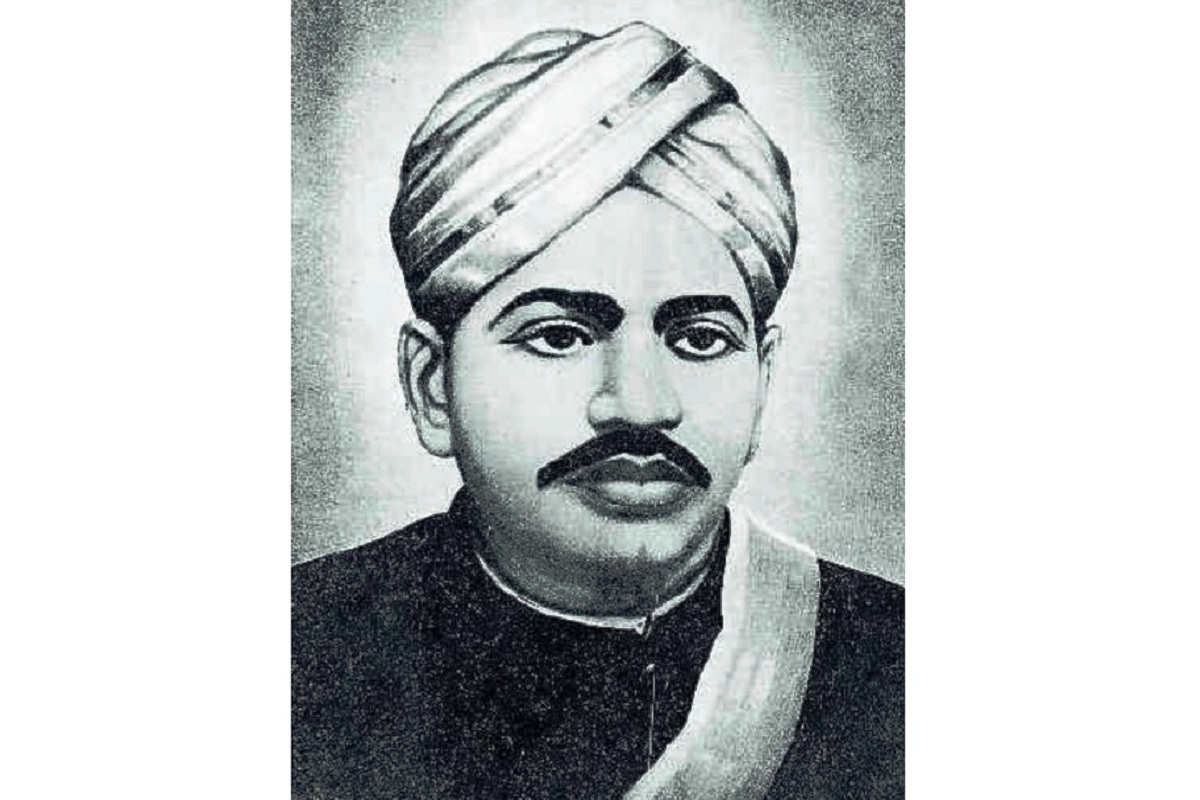
Pillai, an Indian National Congress leader, popularly known as VOC, had set up his shipping company Swadeshi Steam Navigation Company in 1905 with the objective of competing against the monopoly of British India Steam Navigation Company (BISNC).