After the Uprising
Bangladesh’s latest election marks a dramatic return to competitive politics after years of political closure, but it does so through a mostly familiar cast of characters.
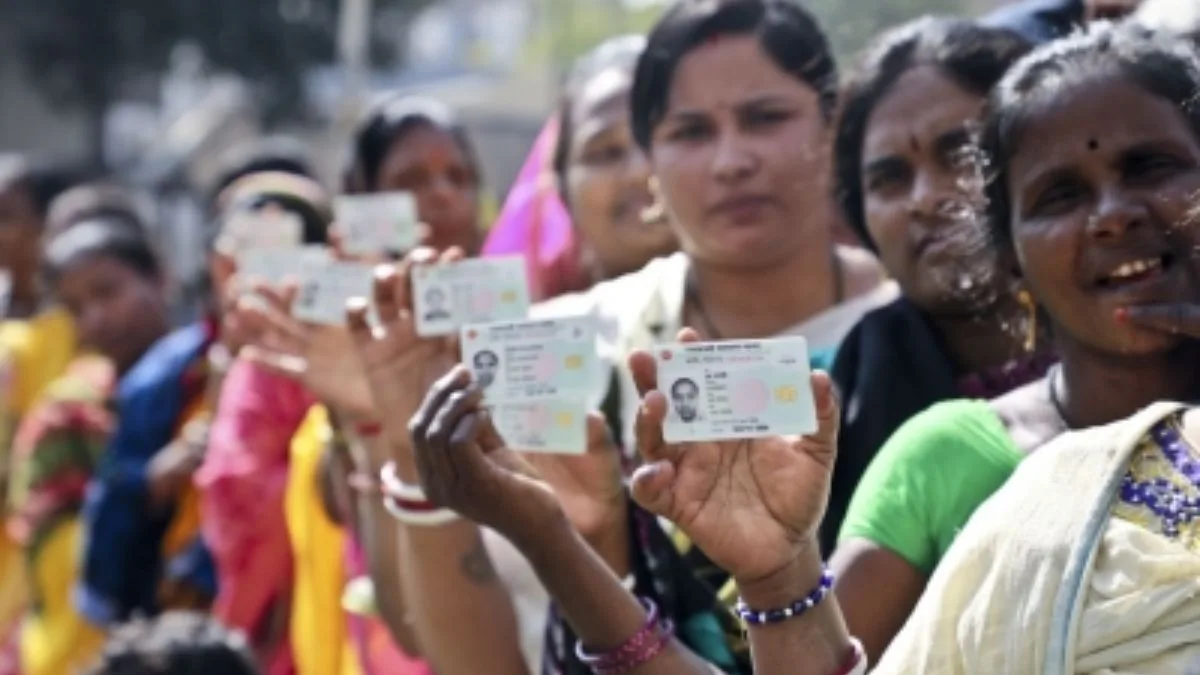
Bangladesh’s latest election marks a dramatic return to competitive politics after years of political closure, but it does so through a mostly familiar cast of characters.
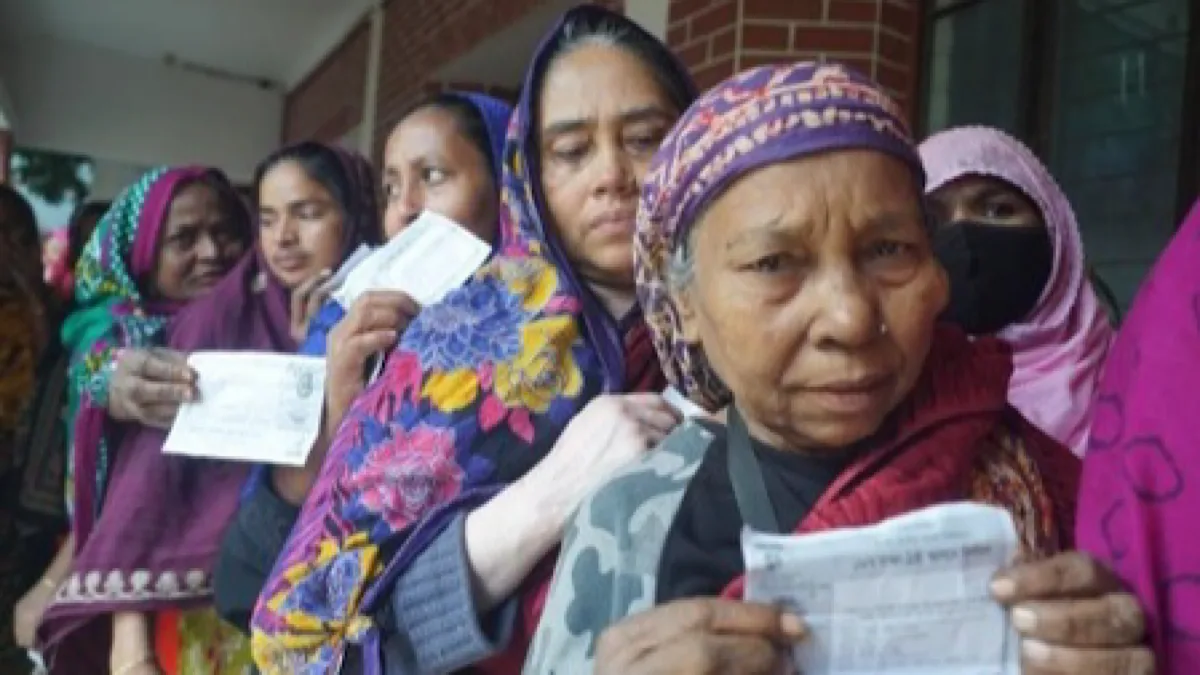
The United States expressed optimism ahead of Bangladesh’s elections, describing the vote as a new chapter in its engagement in South Asia, even as lawmakers debated how Washington should support democratic transitions in the region.
The slogans on Dhaka’s walls are not just the aftershocks of a student uprising; they are signposts of a deeper political realignment.
Bangladesh’s tryst with elections slated for Thursday is not merely a test for the South Asian nation’s democratic will, but also a test of how things will evolve on the larger South Asian canvas.

The Mohammad Yunus-led interim government in Bangladesh has banned the Sheikh Hasina-led Awami League from participating in the elections.
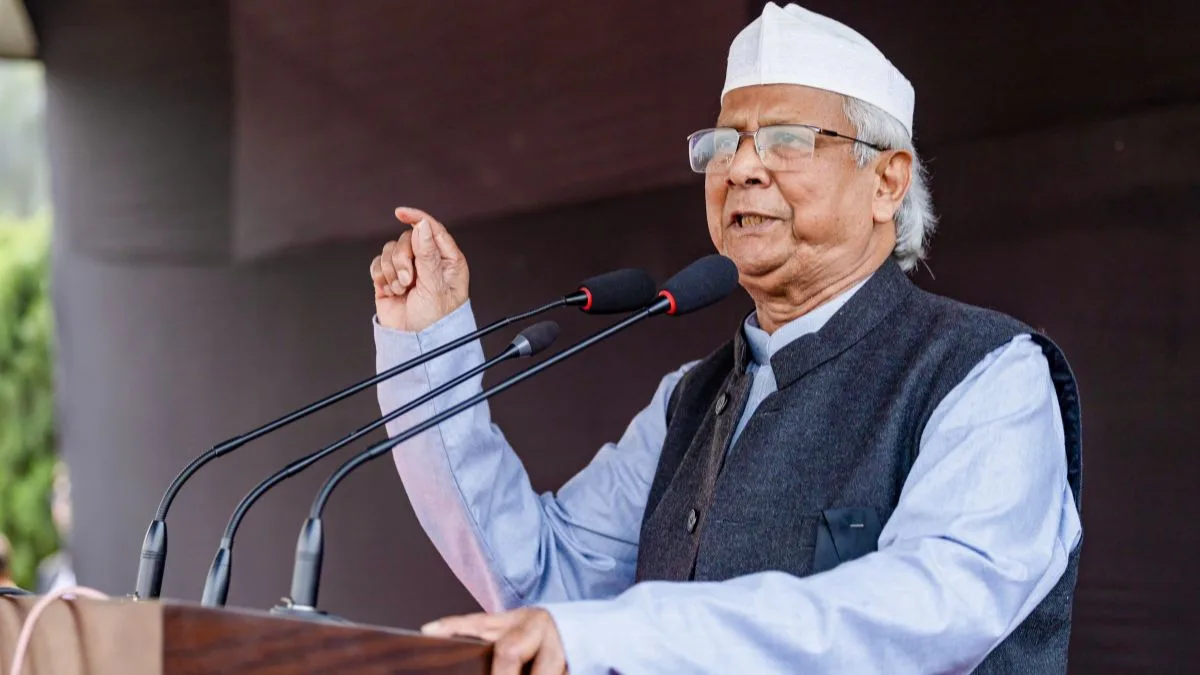
Chief Adviser Muhammad Yunus says Bangladesh will hold general elections on February 12 as scheduled, assuring the US of free and peaceful polls amid rising violence concerns.

The adviser also noted that the Army Chief has expressed concern about holding elections by December, as troops currently deployed for civilian and policing duties would prefer to return to their barracks.
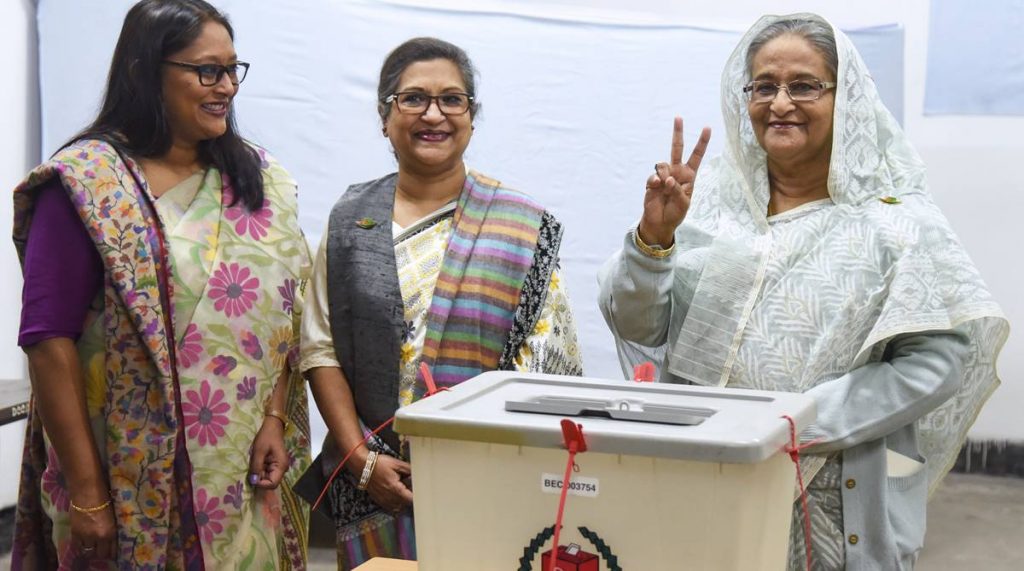
Stupendous no less has been the mandate that Hasina’s party has won; it would be a gross understatement to call it massive, with 288 of the 300 parliamentary seats under its belt.
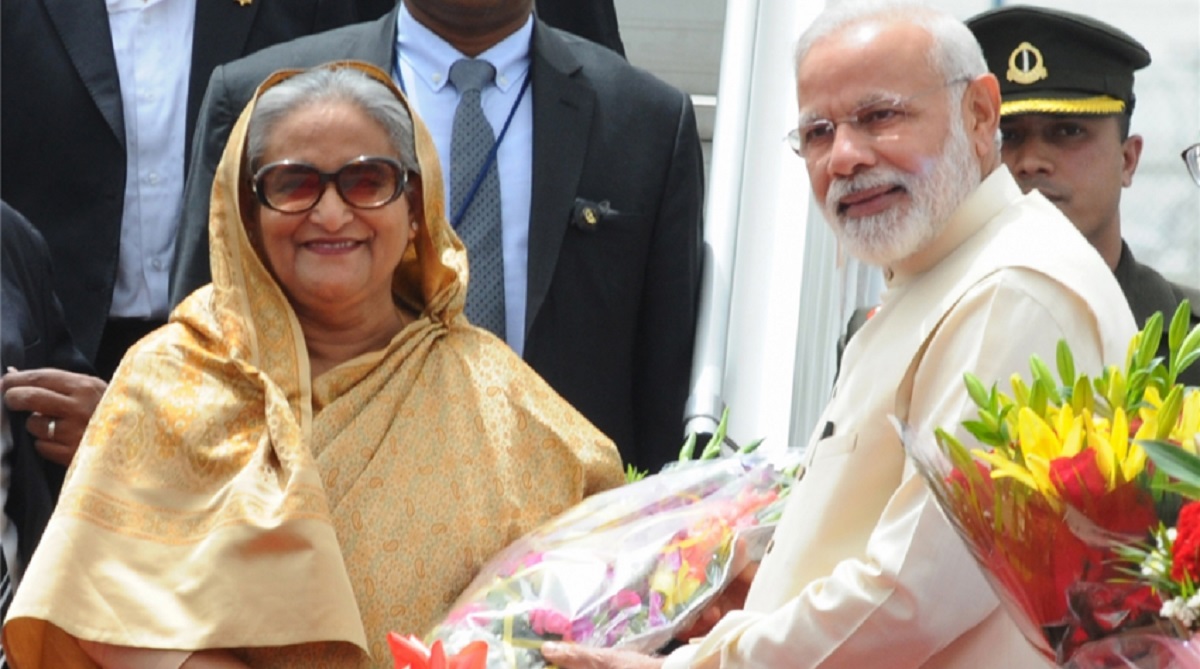
The Ministry of External Affairs said PM Modi expressed confidence that the partnership between India and Bangladesh would continue to flourish under Sheikh Hasina's "far-sighted" leadership.
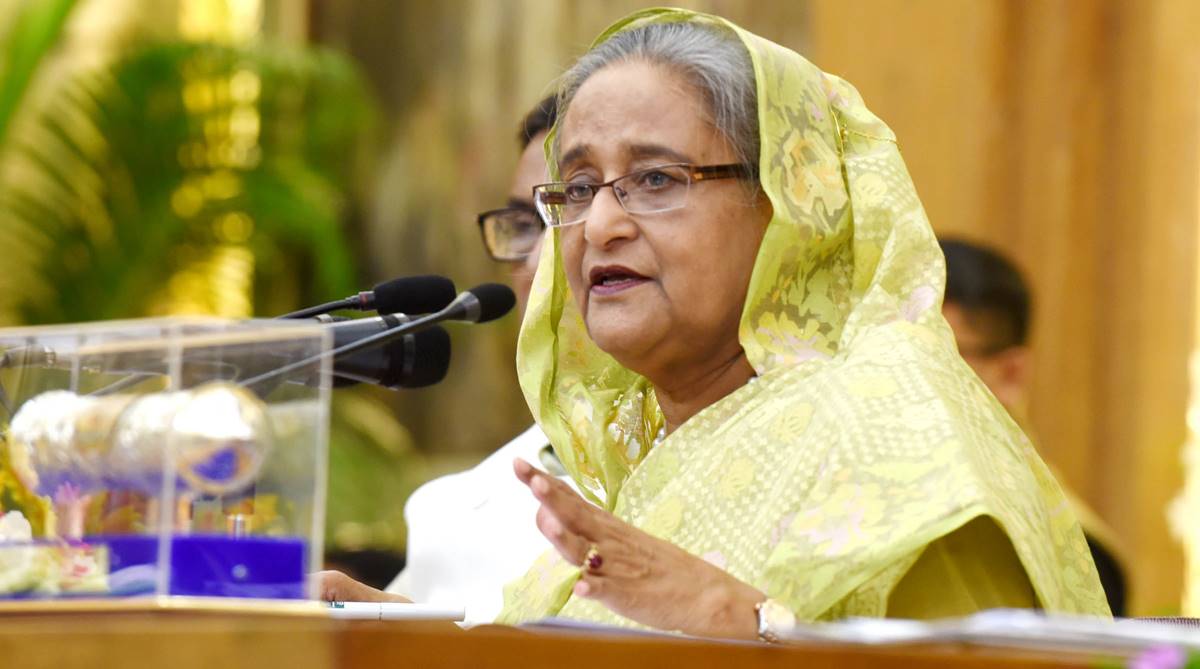
For the North-east, the outcome of the Bangladesh polls is of vital importance