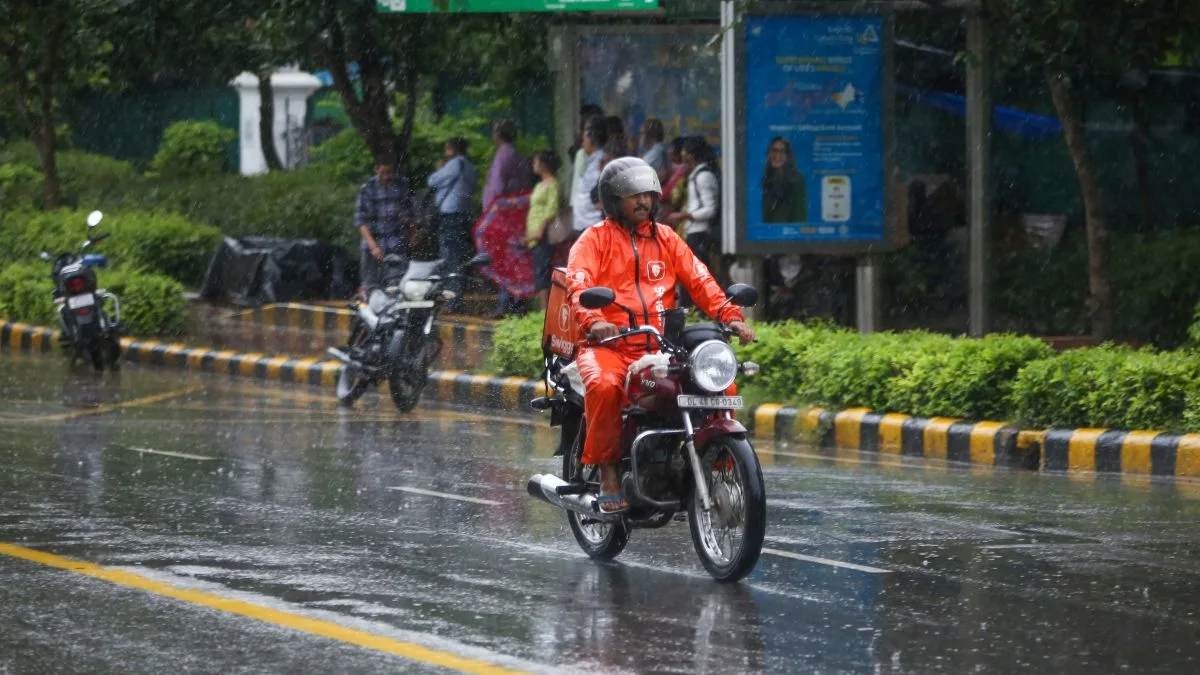
Rain brings relief in Delhi; AQI in moderate category
Residents of Delhi woke up to widespread rainfall on Monday morning, offering relief from the recent spell of intense heat.
Residents of Delhi are currently experiencing noticeable relief from the intense heatwave that gripped the city in April.
Delhi witnessed a notable improvement in air quality on Tuesday, with the Air Quality Index (AQI) falling into the 'satisfactory' and 'moderate' categories across several monitoring stations.
While efforts to mitigate the severity of the air pollution in the Delhi-NCR have been taken over the years consistently, of late there has been a steady increase in the number of good air days with a decline in the registered 'poor' to 'very poor', and 'severe' to 'severe (+) category air days, according to Dr SD Attri, an expert on the subject.
The strong winds that have been blowing for the past several days have had a positive impact on the air quality in Delhi-National Capital Region (NCR).
The CM added that, upon comparing pollution data with that of previous governments, the numbers have plummeted, while emphasizing that her government is doing whatever is possible for Delhi.
The report, which examined hourly PM2.5 data from 2021 to 2025, found a clear and consistent spike in particulate pollution every year during Diwali, but 2025 stood out both in scale and persistence.
Aam Aadmi Party leader Saurabh Bharadwaj slammed the Bharatiya Janata Party government in Delhi, questioning where is the artificial rain which the Rekha Gupta government had promised to tackle post-Diwali air pollution.
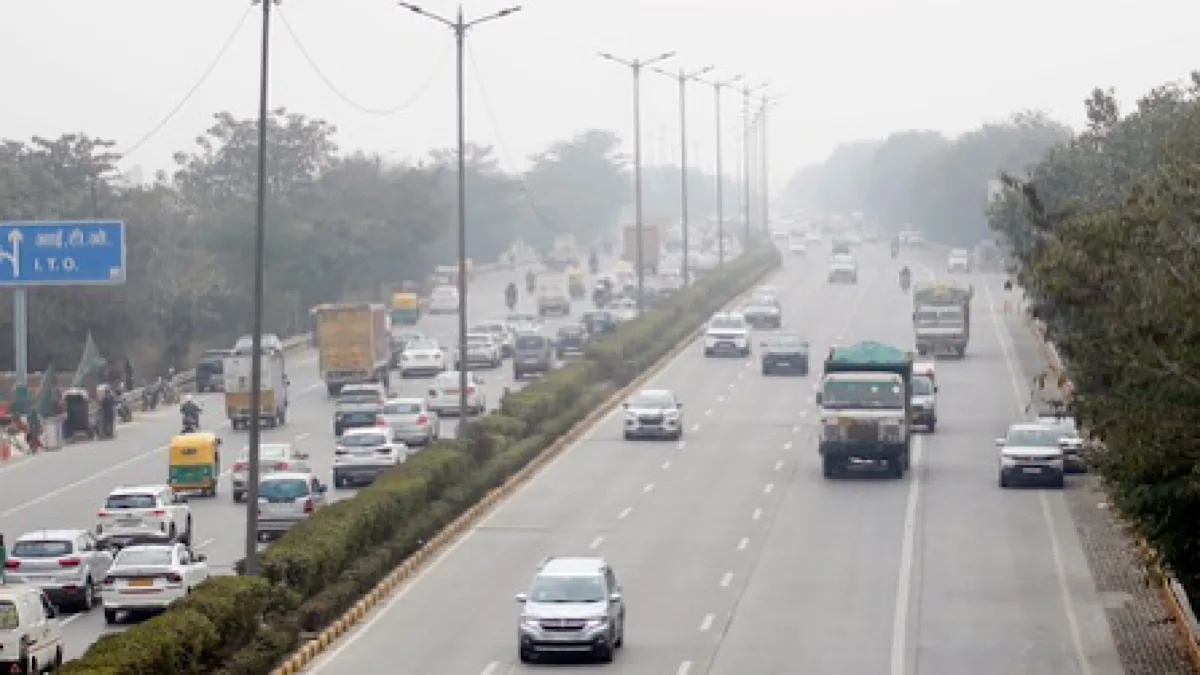
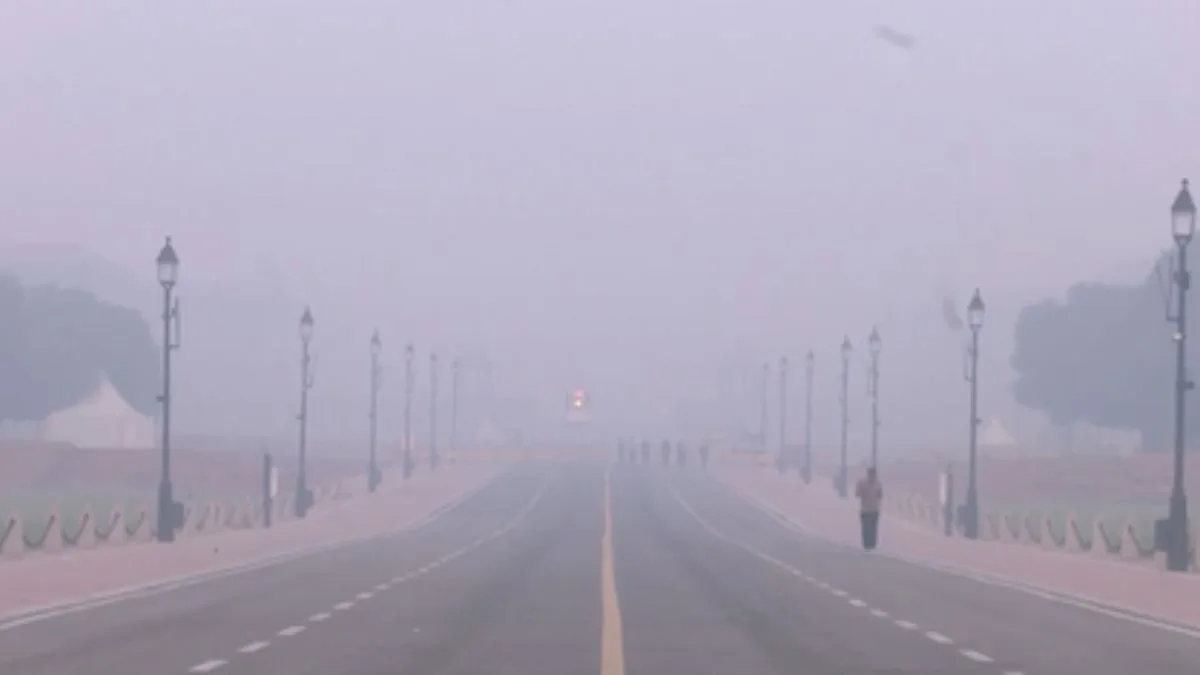
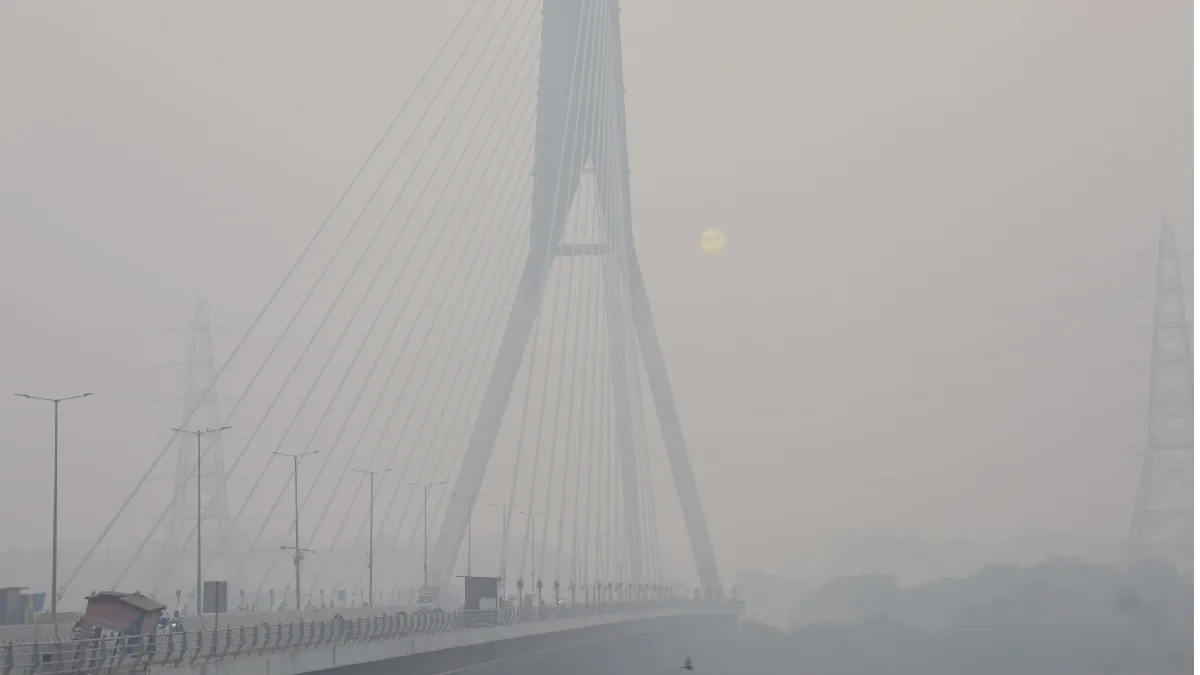
The air pollution in the national capital worsened on Sunday, with the quality dropping to the 'poor' category on the eve of Diwali.
According to an official document, Delhi’s average AQI remained at 91 for two consecutive years, 2024 and 2025. Air quality has shown gradual improvement since 2018, with a sharp dip to 88 in 2020 during the pandemic lockdowns.