Pedalling towards a cleaner capital
The real crisis lies in major cities, where overcrowded roads, rising pollution, declining patience and poor traffic discipline have become commonplace.

The real crisis lies in major cities, where overcrowded roads, rising pollution, declining patience and poor traffic discipline have become commonplace.
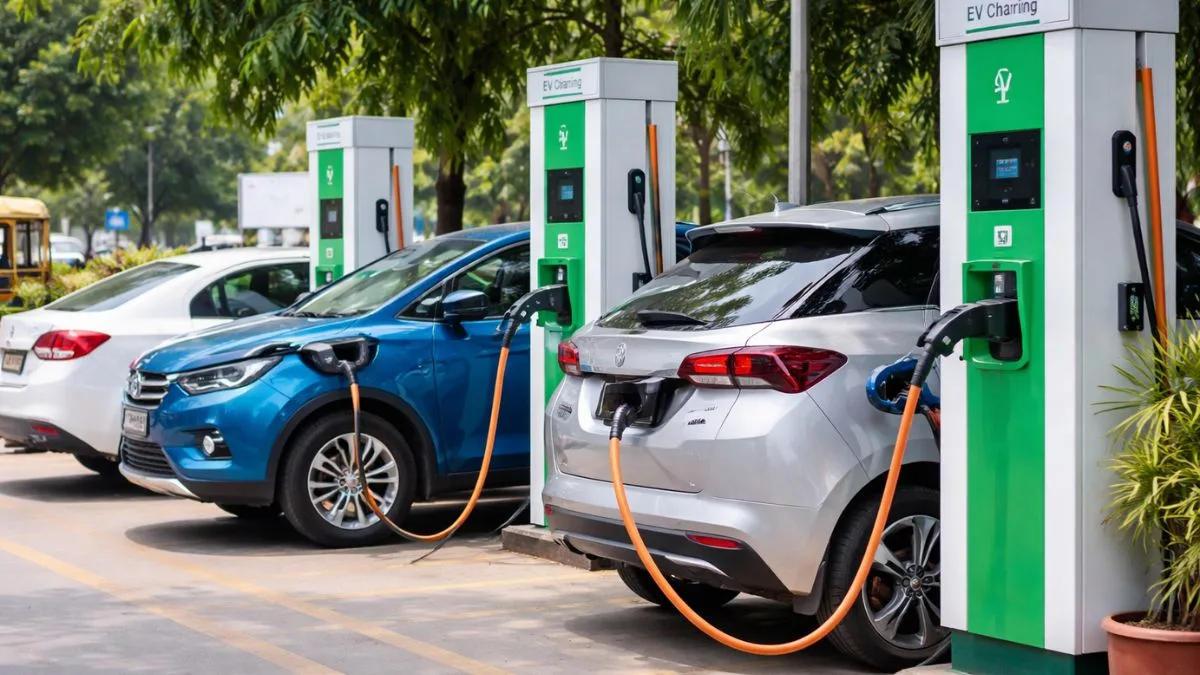
Delhi’s draft EV Policy 2026 opens for consultation, proposing incentives, scrappage benefits and strict timelines to push electric mobility across two-wheelers, commercial fleets and private vehicles.

Pakistan emerged as the world’s most polluted country in 2025, recording PM2.5 levels up to 13 times higher than the safe limits prescribed by the World Health Organization (WHO).
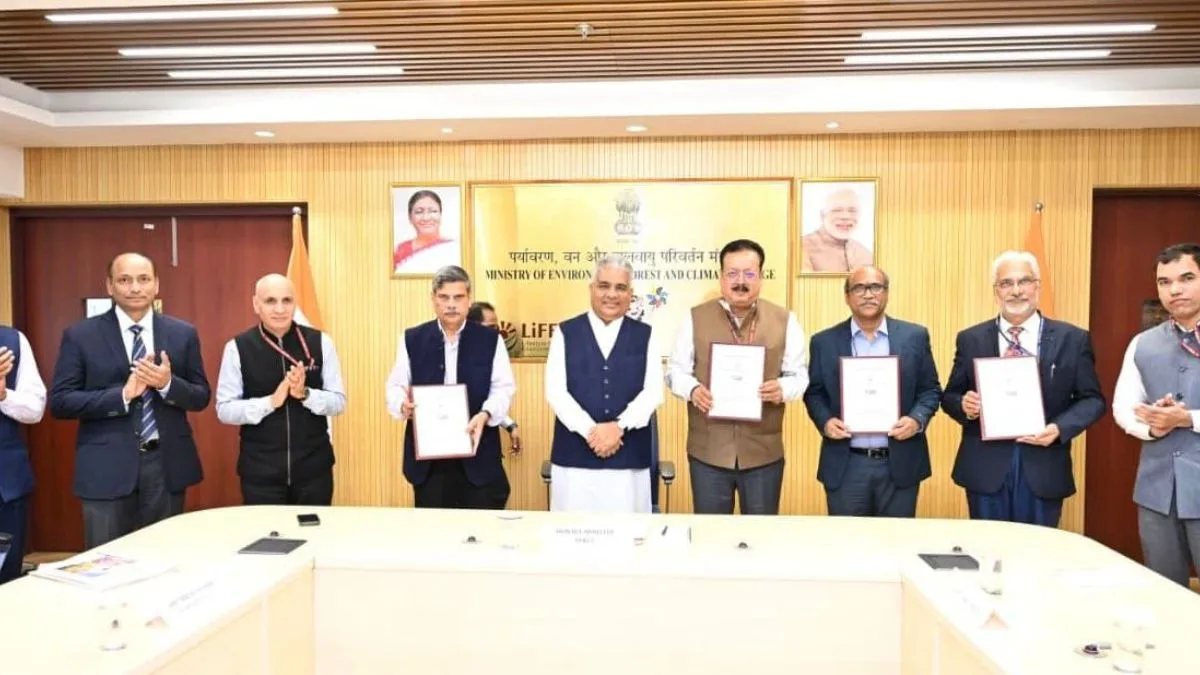
The framework aims to improve road cross-sections, right-of-way (RoW) utilisation, greening measures and road maintenance protocols across the NCR.
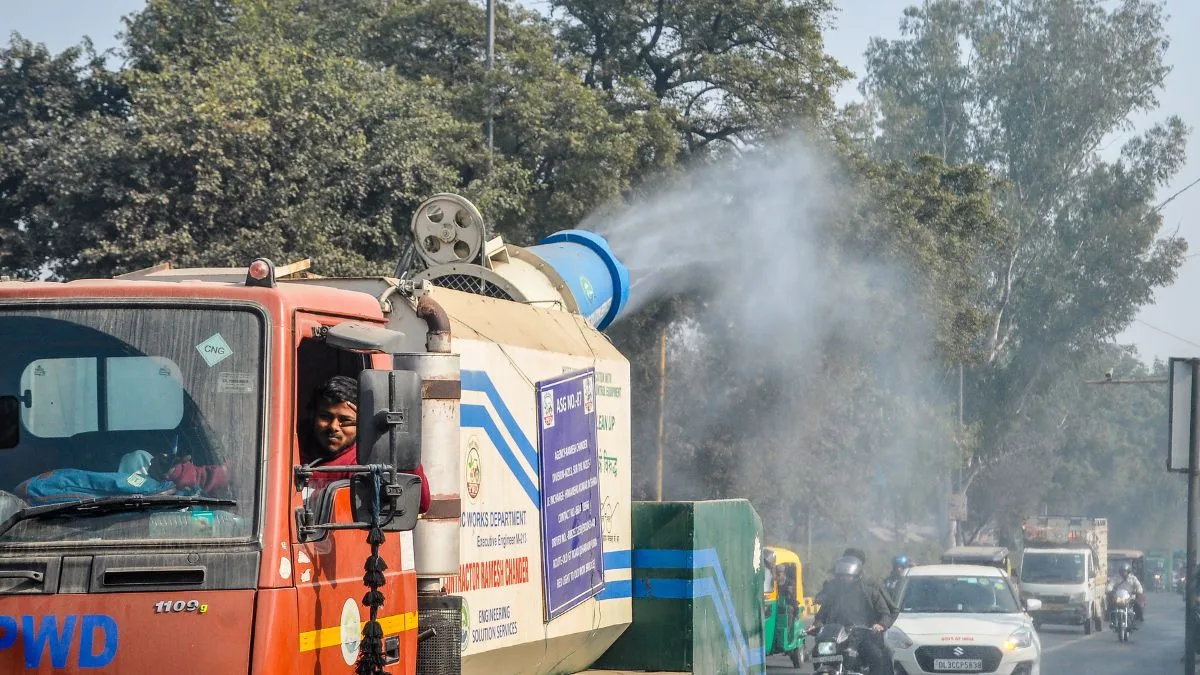
The CAQM, in view of the forecasts for meteorological conditions and air quality index made available by Indian Meteorological Department (IMD) and the Indian Institute of Tropical Meteorology (IITM), respectively, has taken a call on the preventive, restrictive measures under stage II of GRAP, invoked in the entire NCR on October 19 last year.

The Delhi government is working on a five-dimensional anti-pollution strategy, whose pillars include innovation, scientific management of dust and solid waste, action against polluting industries, reduction of vehicular emissions, and long-term efforts to make the capital city greener and healthier.

Air pollution is no longer an environmental inconvenience; it is an economic shock with persistent and compounding effects. A recent World Bank report (March 2025) estimates that nearly 5 per cent of global GDP is lost annually due to air pollution through reduced labour productivity, lost working days, and shorter life expectancy.
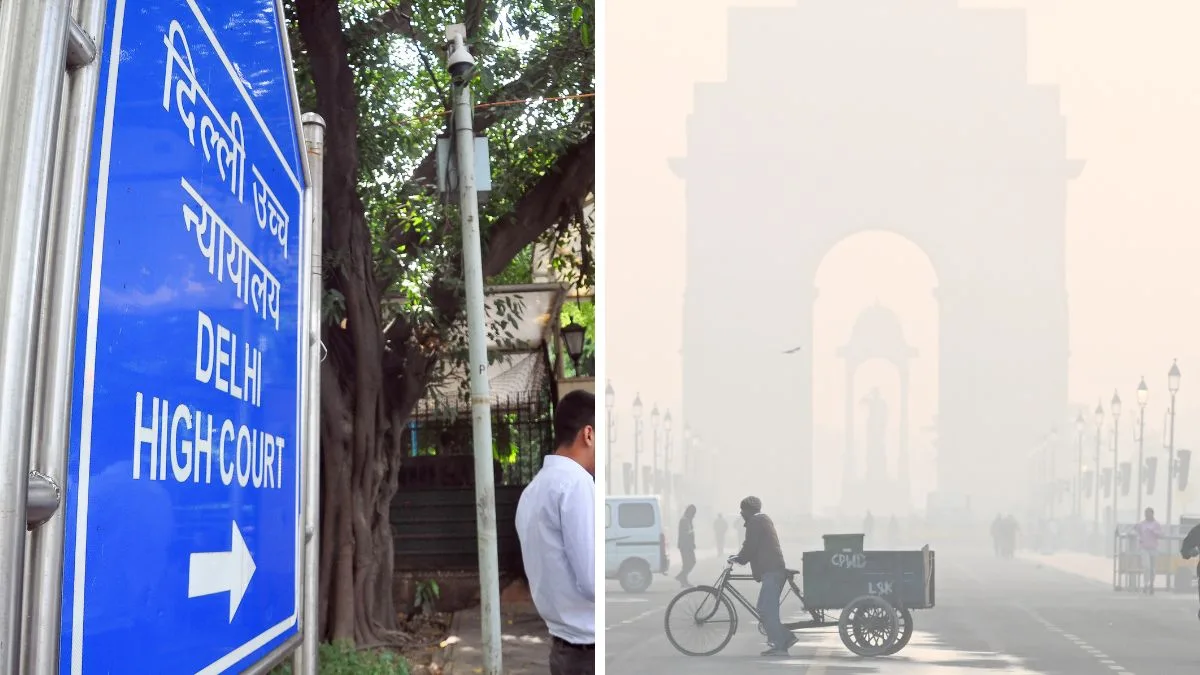
The Delhi High Court questioned the 18 per cent GST on air purifiers amid ‘very poor’ AQI, saying tax relief is the minimum authorities can offer during a pollution emergency.

Several areas across Delhi NCR witnessed air quality worsening to the ‘severe’ range, with Air Quality Index (AQI) at 438.
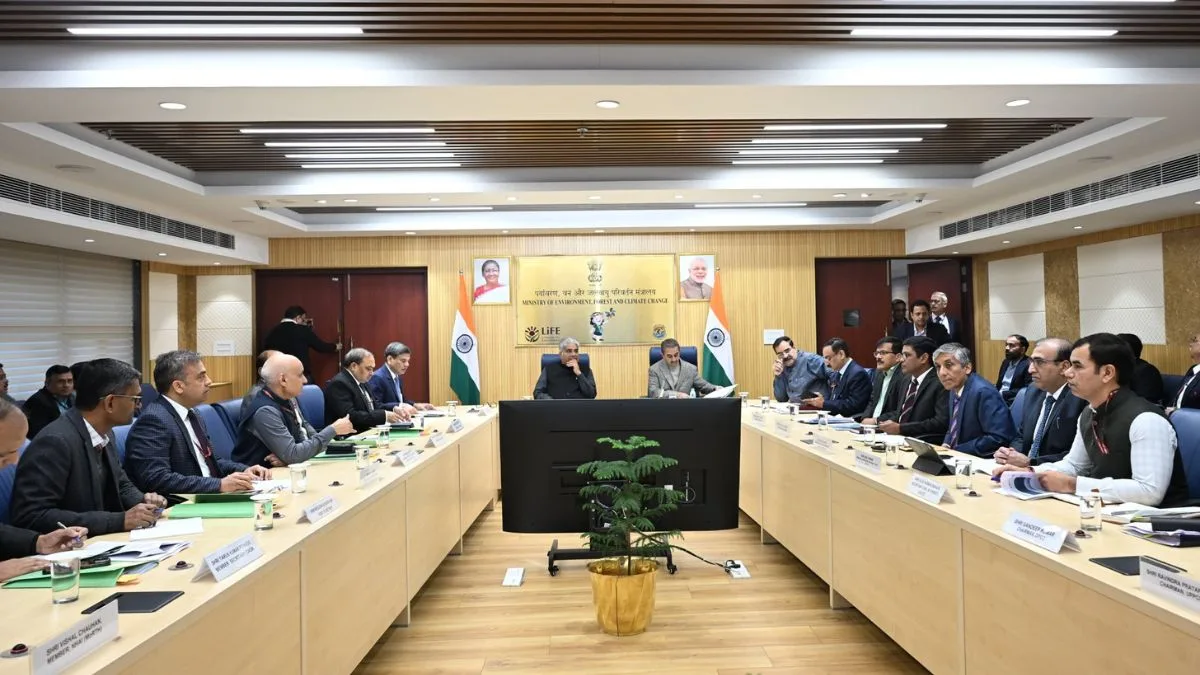
Individual officers were asked to be assigned responsibility for Mechanical Road Sweeping Machines (MRSMs), supported by GPS tracking, to ensure efficient road cleaning and dust control.