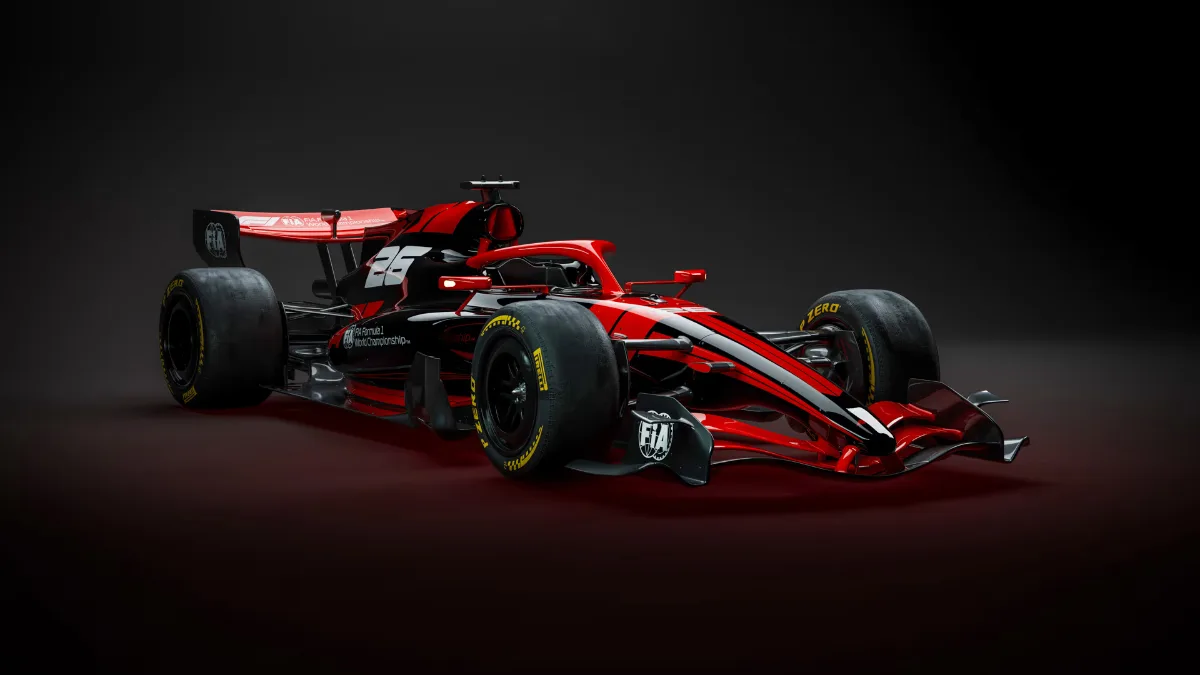
Formula 1 and the Fédération Internationale de l’Automobile (FIA) officially announced significant changes regarding new racing rules and terminologies on Wednesday, December 17, 2025. With the successful completion of 2025 Formula 1 season, attention now turns to 2026, given the new regulations that are set to reshape the sport.
Some key changes in the car structure
Formula 1 cars in 2026 are expected to be smaller and lighter, with the wheelbase reduced by 200 mm to 3.4 m, the overall width of the car reduced by 100 mm to 1.9 m and the floor width cut by 150 mm. The front tyres will see 25 mm narrowing and rears, 30 mm narrowing, thereby decreasing drag and minimising weight.
Advertisement
The minimum weight for cars is reduced by 30 kgs for the next season, and power units will split 50-50 between electric and internal combustion engine power running on advanced sustainable fuels, pushing toward net-zero targets.
Introduction of 4 key terminologies
Boost Mode
It is an energy deployment tool for the energy recovery system (ERS) that can be activated by the driver for offensive or defensive use depending on track position. It will basically give the driver a boost of maximum power from the battery and the engine at the push of a button no matter where they are on the track.
Overtake Mode
When a driver is within one second of a car in front, they’ll be able to deploy extra power to help initiate an overtake, replacing the earlier existing Drag Reduction System (DRS). As a result, rear wings will no longer open or close on the straights, aiding on track passing.
Active Aero
The front and rear wings will be able to dynamically adjust their angles in certain high-speed sections of the track, switching between corner and straight modes. Thus, making the car easier to control in corners due to increased grip and speed through straights.
Recharge
This will allow drivers to recharge their battery with energy recovered from braking, at the end of straights during a throttle lift and even on corners where only part power is applied.
As the upcoming season is around the corner, F1 races promise to be faster and more exciting with the incorporation of new changes, leaving fans eagerly anticipating the first race.