Extraction of minerals from the Indian offshore: Opportunities and challenges
The mineral economy of India is at a crucial moment of structural transition.
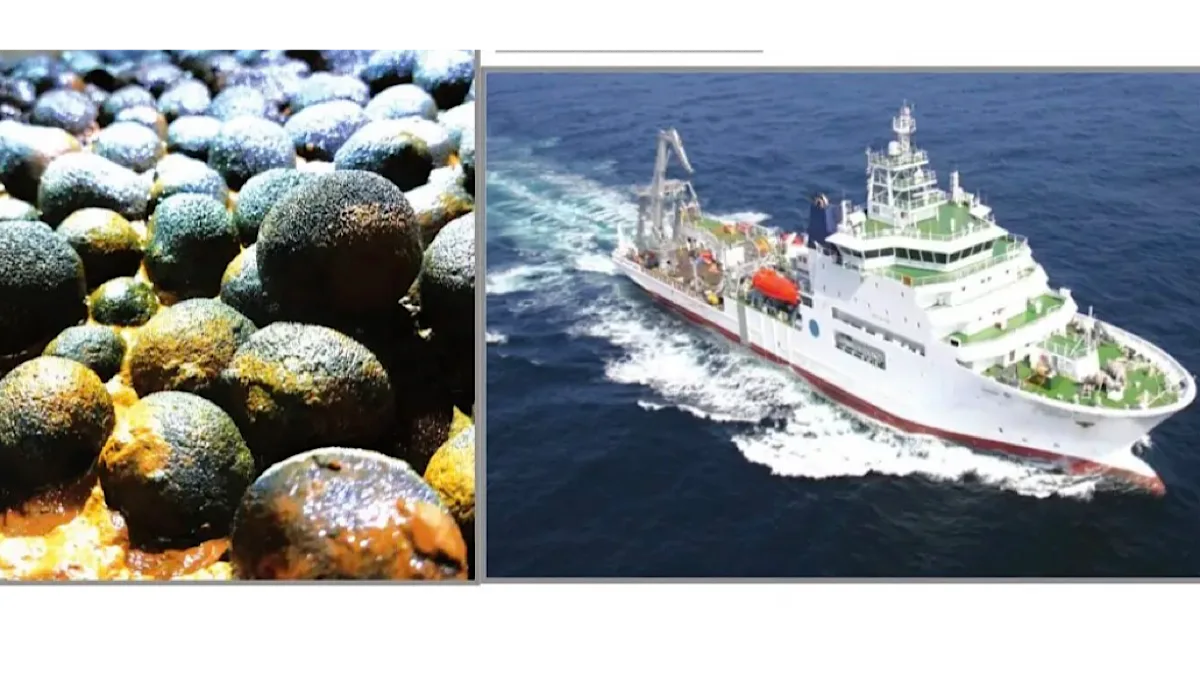
The mineral economy of India is at a crucial moment of structural transition.
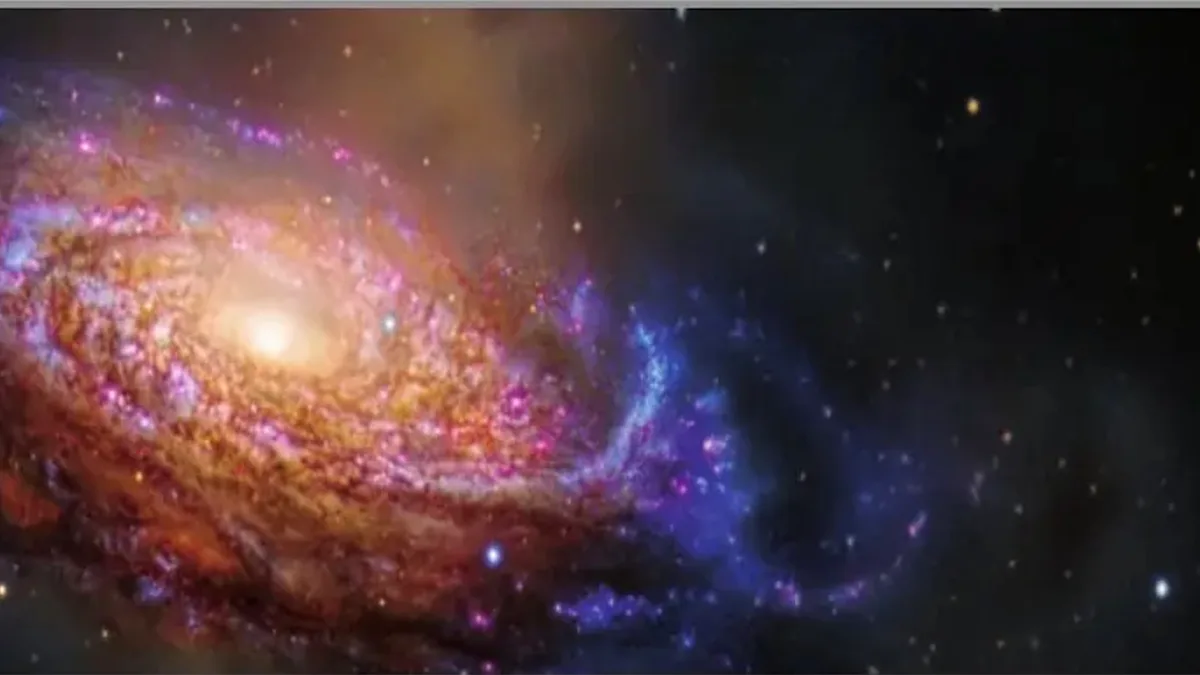
Physicists have long been fascinated with dark matter. Scientists discovered that observable matter, stars, galaxies, nebulae, and planets, can only account for 5% of the universe’s structure.

Scientists have recently unraveled the decades-old mystery of the pigeons travelling hundreds of miles.
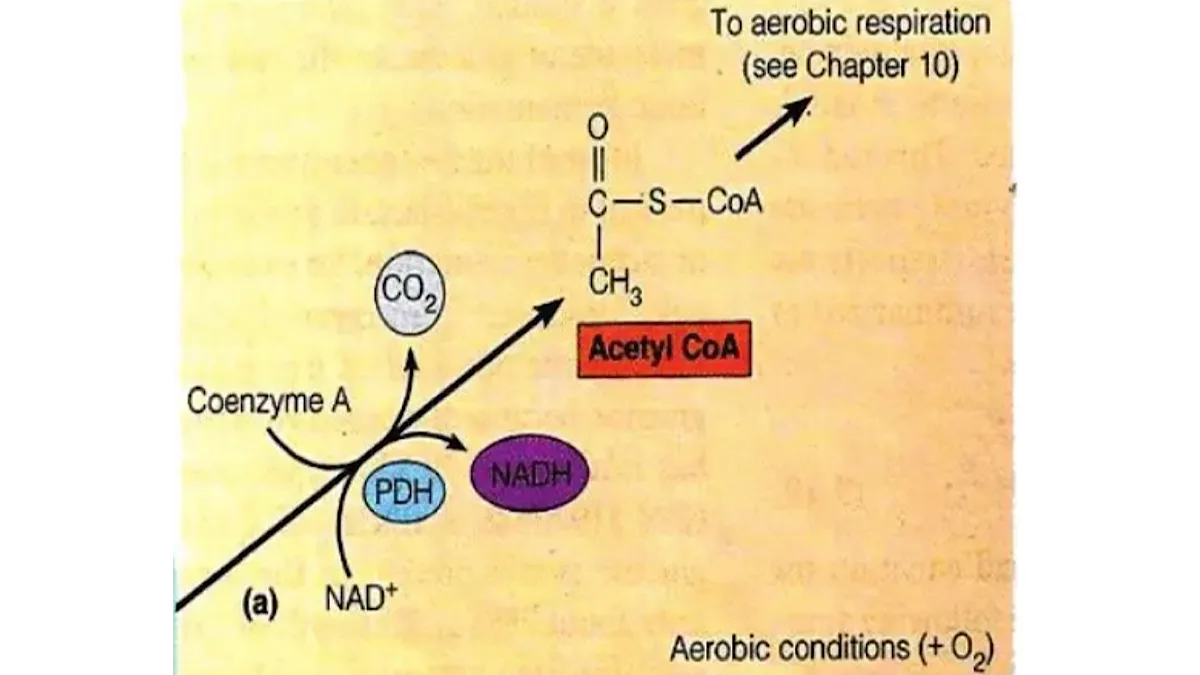
Cells not only are able to catabolize glucose and other carbohydrates to meet their energy needs but also can synthesize sugars and polysaccharides needed for other purposes.
India is not short of ideas. Every year, universities produce thousands of engineers and researchers, laboratories generate studies, and start-ups promise new solutions in healthcare, technology and sustainability.

Old aged patients having severe breathlessness in the resting stage, and their daily life and sleep after open heart surgery can now have a sigh of relief as a Mitra Clip therapy is available at a few specialised TAVR (Transcatheter Aortic Valve Replacement) hospitals in India.

Once hailed as the saviour of billions of hungry Indians, the semi-dwarf High Yielding Rice varieties ( HYV) are now here, and they are being denounced as a harbinger of destruction.

The Encyclopedia of Social Work by Oxford University Press defines energy poverty as a ‘lack of access to adequate, high-quality, clean, and affordable forms of energy or energy systems’.

The first five years are a whirlwind of growth for a child's brain, shaping their future learning, behaviour, and emotional well-being. During this critical period, child development and mental health are intricately linked, like a complex symphony.

Modern chemosterilants belong to two groups differing in the mechanism of their action: antimetabolites and alkylating agents.