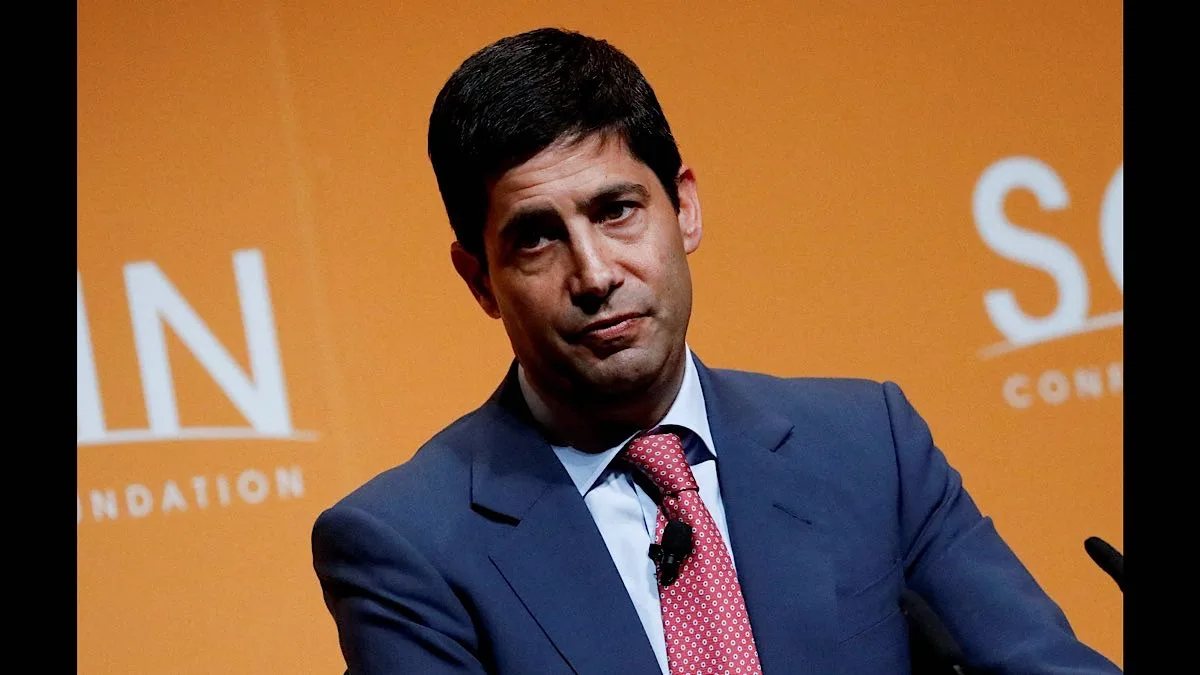
The nomination of Kevin Warsh as the next chair of the United States Federal Reserve comes at a moment when monetary policy has become deeply entangled with politics. Central banks are meant to operate above electoral cycles, insulated from the short-term compulsions of governments. Yet the debate surrounding this appointment suggests that this wall may be breached. Mr Warsh is no outsider to the institution he may soon lead.
Having served as a Federal Reserve governor during the global financial crisis, he understands the mechanics of central banking and the gravity of decisions taken within its walls. His reputation then was largely orthodox ~ cautious on inflation, sceptical of excess liquidity, and wary of prolonged monetary accommodation. These credentials have helped reassure markets that his appointment would not represent a radical break from established policy traditions.
Advertisement
At the same time, the political context of his nomination cannot be ignored. The sitting administration has repeatedly expressed frustration with interest rates that remain higher than desired, framing monetary restraint as an obstacle to economic momentum. The pressure placed on the current central bank leadership ~ including public criticism and legal threats ~ has heightened fears that institutional independence is being tested more aggressively than in the past. Mr Warsh’s more recent public positions add to this complexity. He has criticised the central bank’s expanded balance sheet and argued that unwinding it could help ease short-term borrowing costs.
While the technical merits of this argument remain debated among economists, its political resonance is unmistakable. Calls for structural “regime change” within the Fed may appeal to those who believe the institution has grown too powerful, but they also risk blurring the line between reform and interference. Financial markets have reacted with cautious relief rather than enthusiasm. Investors appear to view Mr Warsh as a known quantity ~ someone grounded enough in institutional thinking to resist overt political direction, yet flexible enough to adapt policy in a slowing economy. This middle-ground perception explains the relatively muted response across currencies and commodities following news of his nomination. The larger question, however, extends beyond any single individual.
The credibility of a central bank rests not merely on technical competence, but on trust ~ trust that decisions are guided by data, long-term stability and inflation control, not by electoral calendars or political loyalty. Once that trust erodes, restoring it becomes far more difficult than tightening or loosening monetary policy. For emerging economies like India, the outcome matters indirectly but significantly. US monetary credibility influences global capital flows, currency stability, and risk appetite.
A Federal Reserve seen as politically constrained could inject fresh volatility into already fragile global financial conditions. If confirmed, Mr Warsh will inherit more than an institution – he will inherit a test. His challenge will be to demonstrate that independence is not a slogan but a practice, even when presidential expectations point elsewhere.