As India and the United States inch closer to a possible trade agreement before the July 9 deadline, the stakes for both nations ~ and indeed the global economic order ~ are unmistakably high. The negotiation process, unfolding amid rising protectionist sentiment in Washington and cautious economic diplomacy in Delhi, signals more than just tariff adjustments; it reflects a deeper reckoning between two major economies navigating their evolving roles in a fracturing global trade environment. India’s stance in these negotiations is clear and justified. New Delhi cannot afford to be seen as making undue concessions, particularly in politically sensitive areas like agriculture, which directly impact millions of its citizens. The government has already reduced tariffs on items like bourbon whiskey and motorcycles ~ concessions that signal goodwill but are carefully limited to avoid domestic backlash.
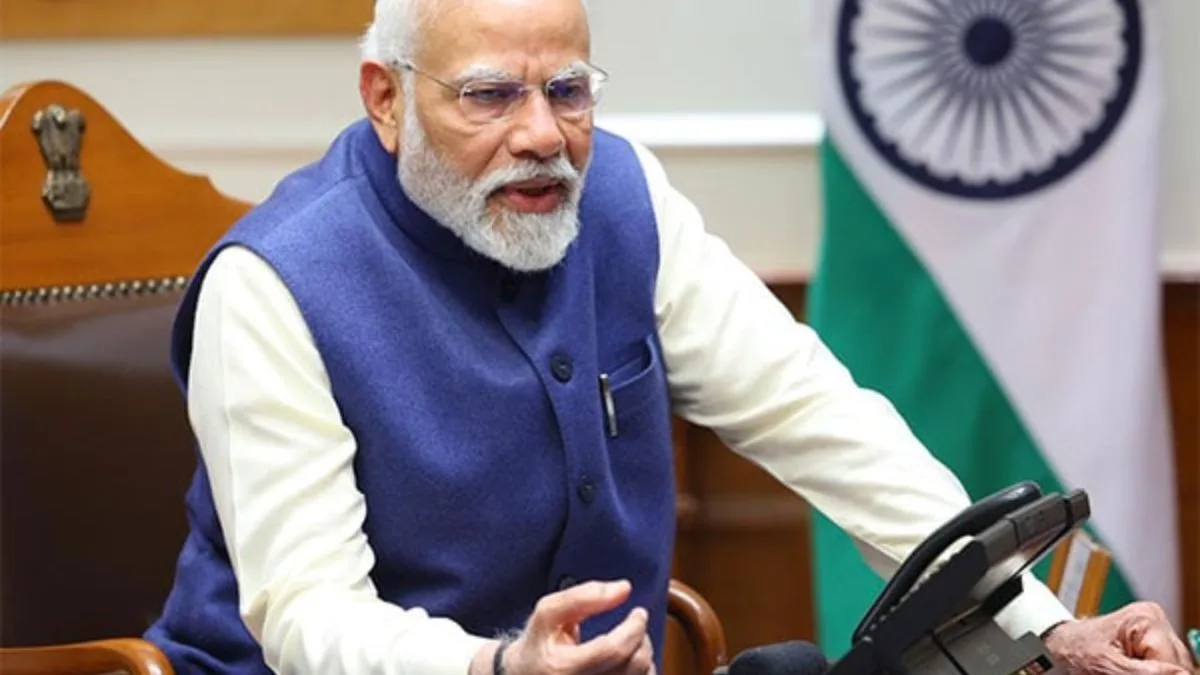
Such calculated moves reflect India’s maturing confidence as a trading power unwilling to yield strategic space under external pressure. For the United States, the trade deficit with India ~ estimated at $45 billion ~ has become a symbol of broader concern about fair access and market reciprocity. The Trump administration’s blunt approach of threatening tariffs may seem aggressive, but it follows a consistent policy theme: seeking immediate and measurable wins in trade. Yet, in pursuing this goal, Washington risks alienating strategic partners like India, who may begin to view such tactics as short-sighted and tra – n sactional rather than as part of a sustainable, longterm economic partnership. What complicates the picture further is the political overlay. Both Prime Minister Narendra Modi and President Donald Trump are deeply conscious of their domestic constituencies.
Advertisement
For Mr Modi, protecting rural and agricultural interests is nonnegotiable; for Mr Trump, appearing tough on trade re – sonates strongly with his electoral base. This mutual political calculus makes a substantial, sweeping agreement difficult. Instead, what may emerge is an interim arrangement that allows both sides to claim partial victory while deferring contentious issues for future rounds. Beneath these high-level manoeuvres lies a broader truth: the India-US economic relationship is no longer solely about trade balances or tariff rates. It has become an axis of strategic convergence ~ covering technology, defence, energy, and geopolitical cooperation in the Indo-Pacific.
Both nations recognise that a rupture in economic ties would carry consequences far beyond immediate trade flows. A possible silver lining is that the on-going negotiations have re-energised bureaucratic and diplomatic channels on both sides, ensuring that even an incomplete deal lays the foundation for future engagement. In the volatile arena of global trade, such incrementalism may be the only realistic path. New Delhi’s resolve to protect its strategic and domestic interests while staying open to dialogue reflects nuanced, balanced diplomacy that will likely shape its other key global relationships as well. Ultimately, what India and the US settle on by July 9 may not redefine their economic future ~ but it will certainly set its tone.