Congress MLA calls Modi-Shah Lallu-Chappu
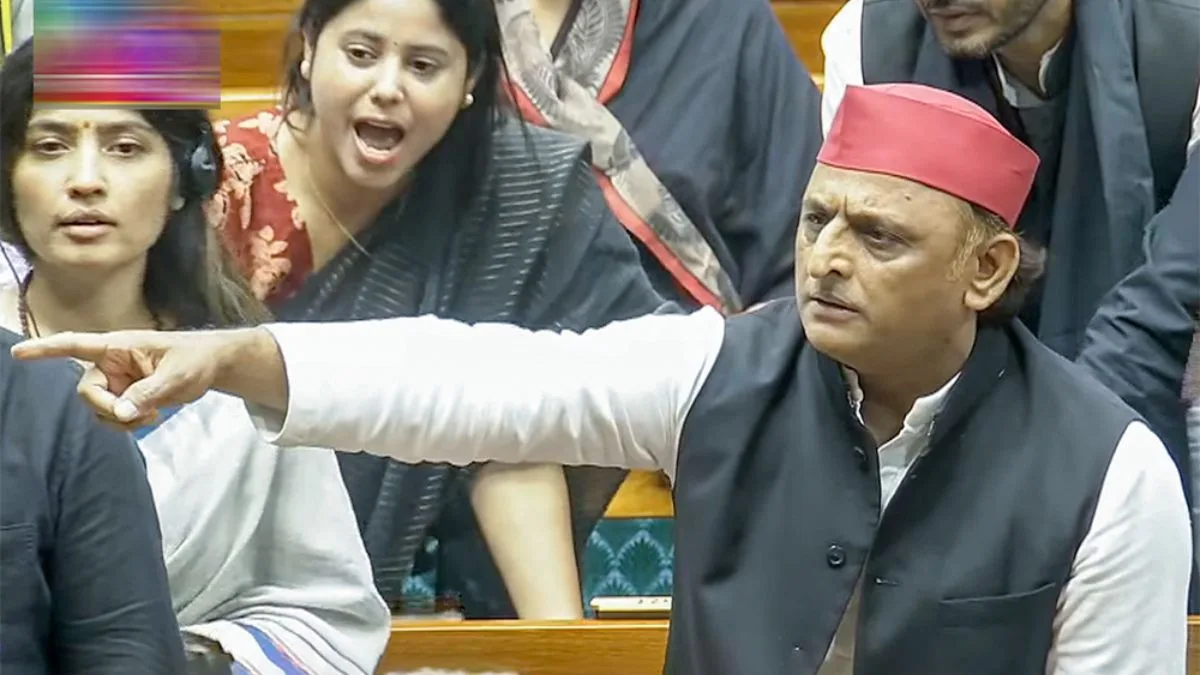
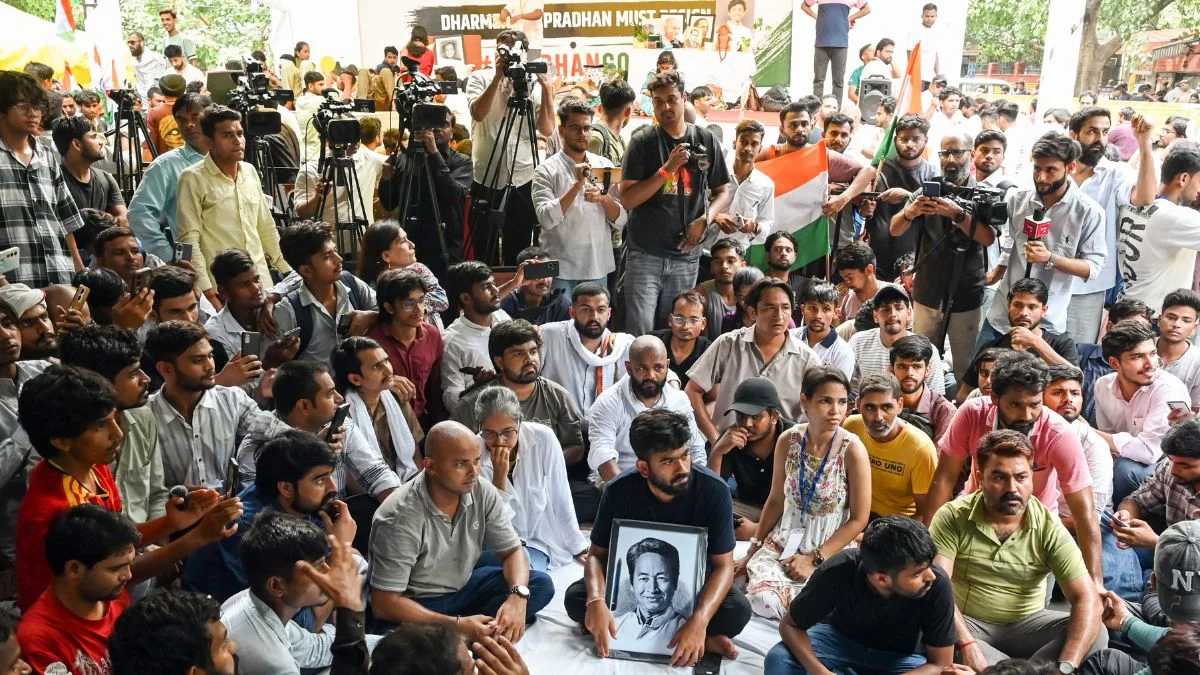
Madhya Pradesh Congress MLA Babu Jandel on Wednesday termed PM Narendra Modi and Union Home Minister Amit Shah 'Lallu-Chappu', and asserted that the two cannot cause any harm to the Congress.
India’s economic journey is entering a decisive phase. Prime Minister Narendra Modi’s Independence Day announcements reveal a deliberate coupling of internal governance reforms with an urgent push for self-reliance in production.





Representative Image (Photo Credits:IANS)
India’s economic journey is entering a decisive phase. Prime Minister Narendra Modi’s Independence Day announcements reveal a deliberate coupling of internal governance reforms with an urgent push for self-reliance in production. The underlying idea is clear: prepare the nation for the twin challenges of global uncertainty and the ambition of becoming a developed country by 2047. The creation of a dedicated task force to identify and recommend next-generation governance reforms is more than an administrative exercise.
It reflects recognition that outdated, cumbersome regulations have long been a brake on innovation and enterprise. By targeting legal and procedural bottlenecks that raise compliance costs and deter entrepreneurship, the government is signaling that growth will not be left to market forces alone ~ it will be actively enabled through a streamlined, citizen-friendly legal framework. Since 2014, over 40,000 compliances have been removed and more than 1,500 obsolete laws repealed. These may sound like technical housekeeping, but they represent a cultural shift: governance is being reframed as a service, not a hurdle. The simplification of tax laws, the replacement of outdated criminal provisions, and the shift to faceless assessments are all part of an emerging architecture where trust and transparency replace red tape and arbitrary discretion.
Advertisement
Yet this inward reform agenda is now being shaped by the harsher winds of international trade politics. The recent escalation of tariffs by the United States is a timely reminder that global markets can be both opportunity and vulnerability. In response, the call for self-reliance in critical sectors ~ from fertilisers to EV batteries, jet engines to defence systems ~ is not mere rhetoric. It is an insurance policy against supply chain shocks and a bid to strengthen India’s strategic autonomy. Lowering GST rates from October is a complementary measure aimed at sustaining domestic consumption at a time when export-led growth faces headwinds. By reducing the tax burden on goods and services, the government hopes to keep the economic engine running even as foreign demand becomes less predictable.
Advertisement
This is a moment to translate intent into irreversible change, ensuring reforms outlast political cycles and embed resilience into India’s growth. The challenge will be execution. A task force can map the reforms needed, but implementation will require cooperation across ministries, states, and industry bodies. Self-reliance, too, is not achieved overnight ~ it demands coordinated investment in R&D, supply chains, skills, and infrastructure. India’s economic strategy is thus evolving on two fronts: dismantling internal barriers to productivity, and building external resilience through diversified capabilities. If both fronts advance in tandem, the goal of a “Viksit Bharat” by 2047 will rest not on aspiration alone, but on a solid foundation of policy, preparedness, and public trust. The road ahead will be neither short nor simple, but the direction has been set ~ and it points firmly toward a more self-confident and self-sustaining India
Advertisement