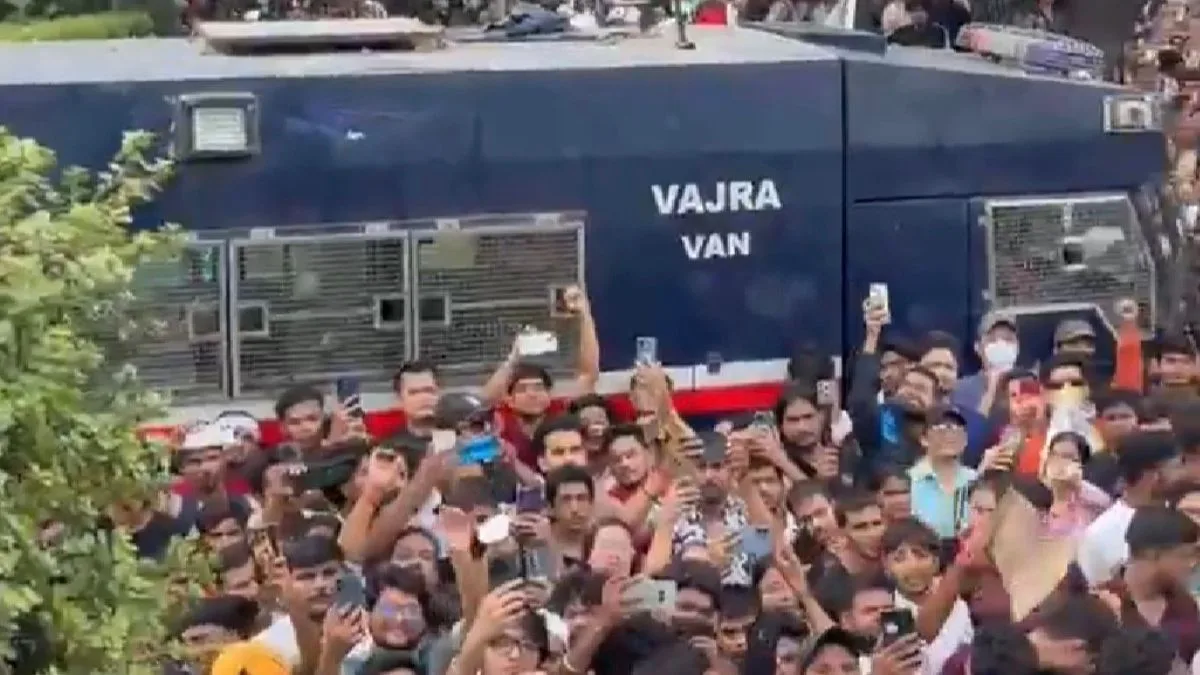
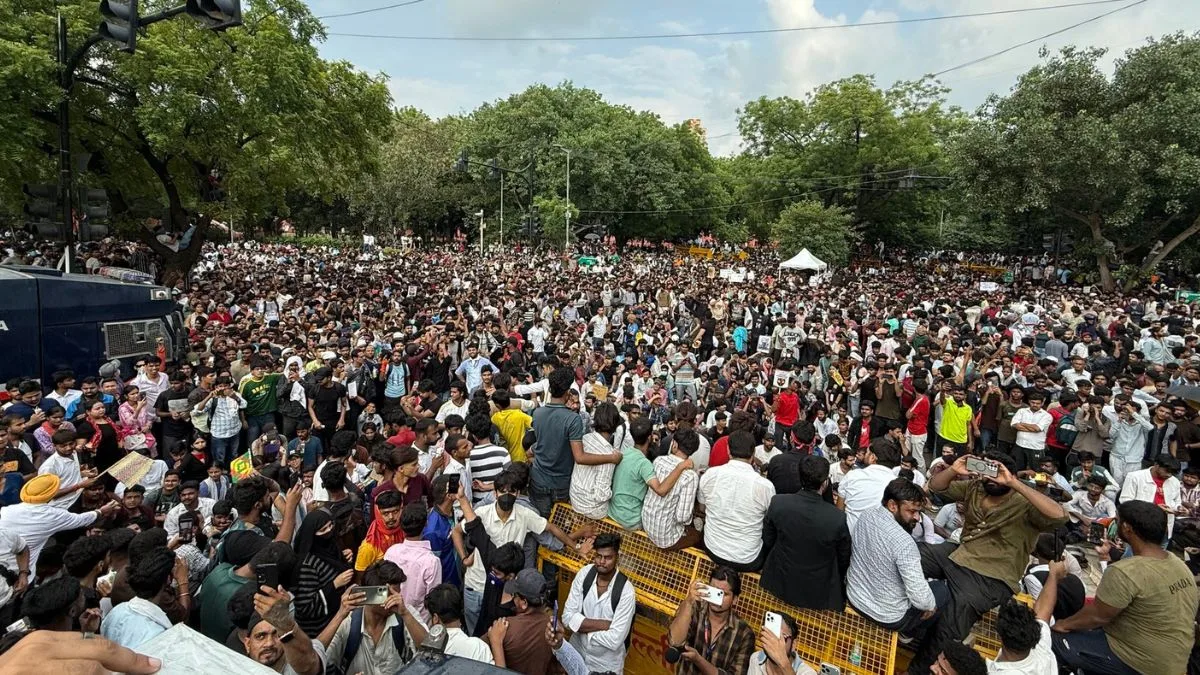
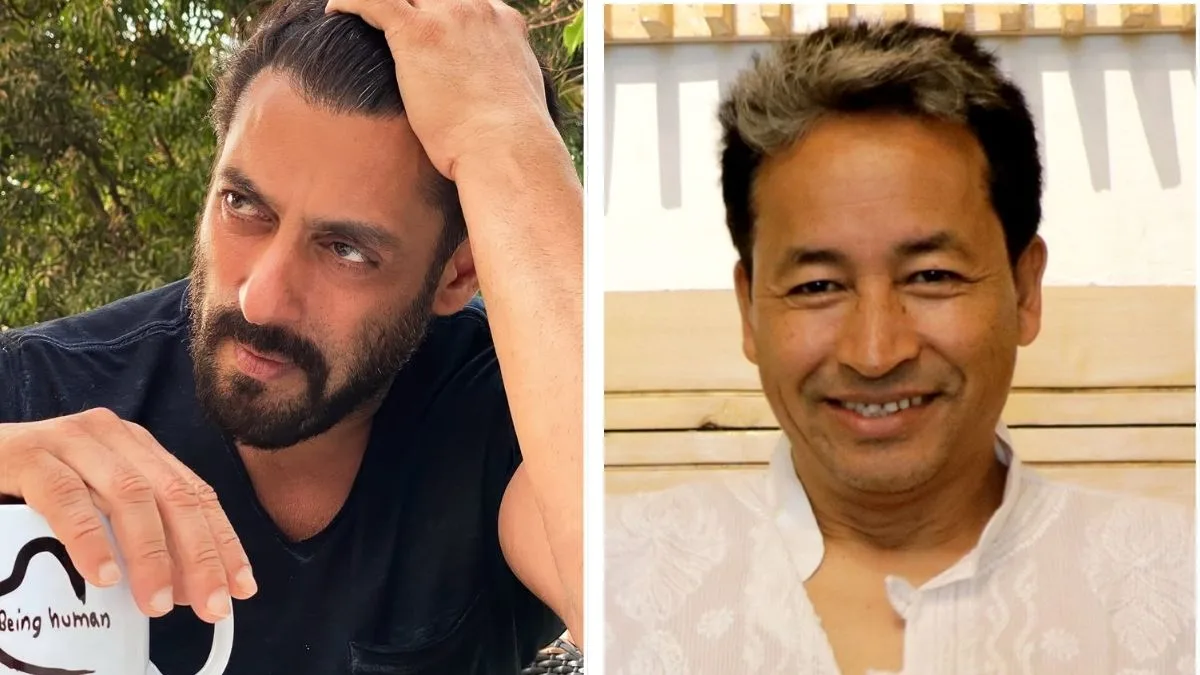
Education without entrance examinations
India’s entrance exam regime has grown into a parallel economy, draining families and destroying young lives.
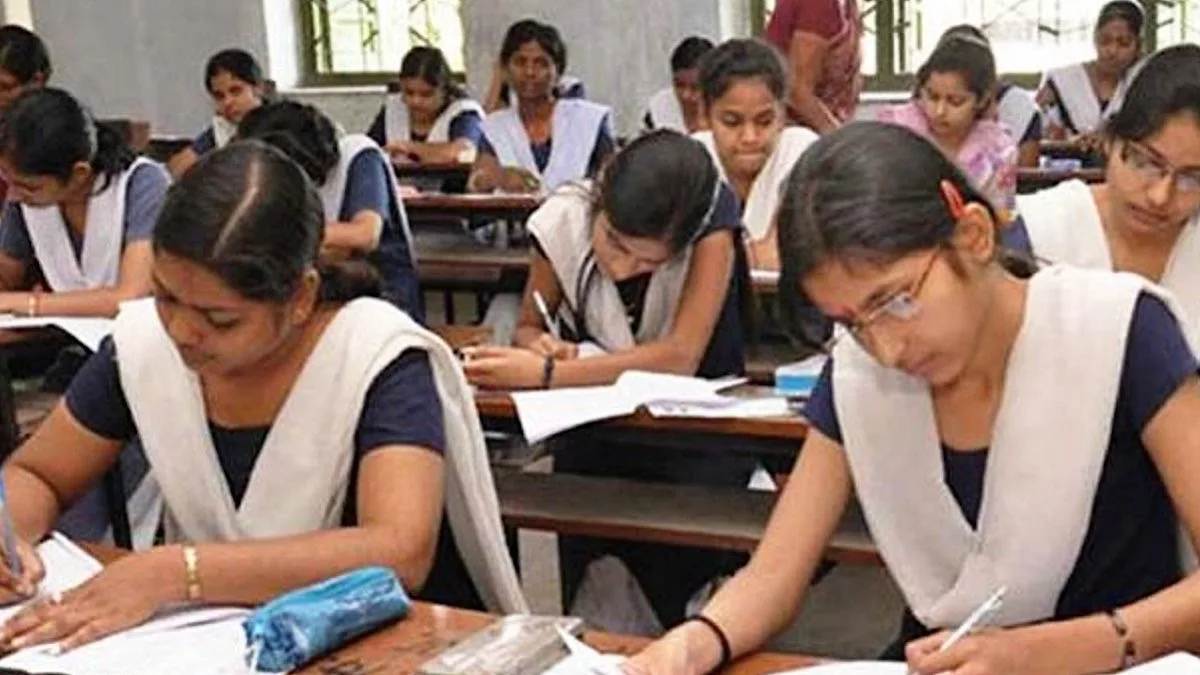
India’s entrance exam regime has grown into a parallel economy, draining families and destroying young lives.
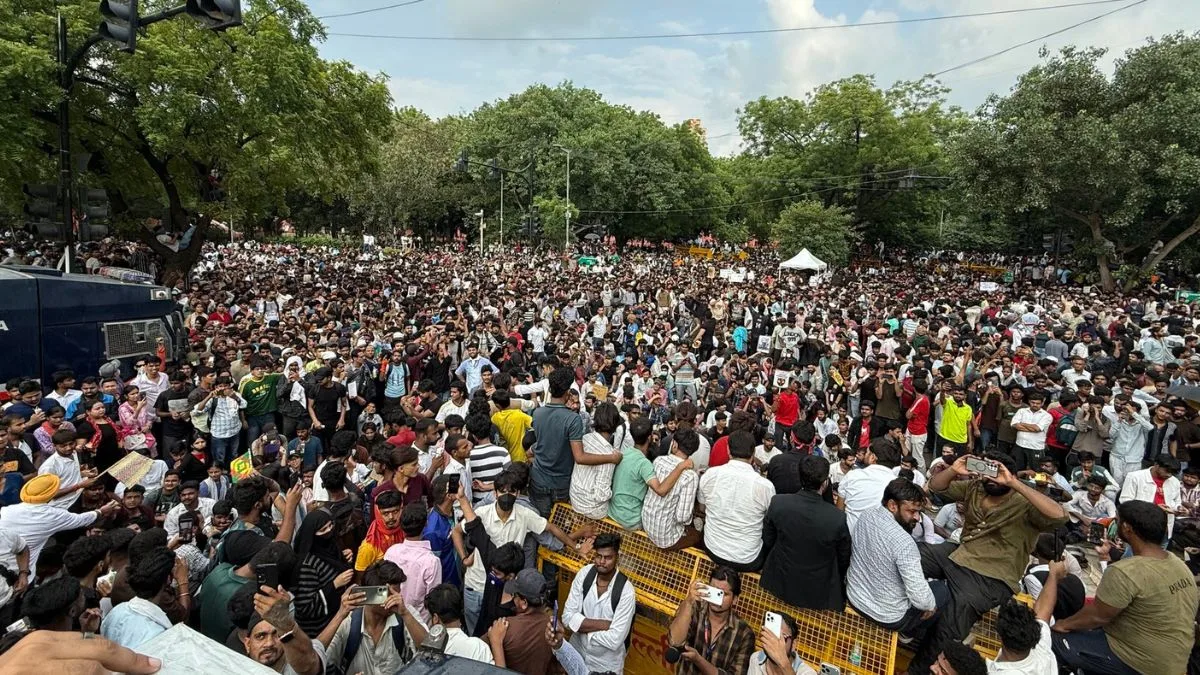
In a healthy democracy, student activism has always been a vital force - a crucible where ideas are sharpened , injustices challenged, and futures forged.
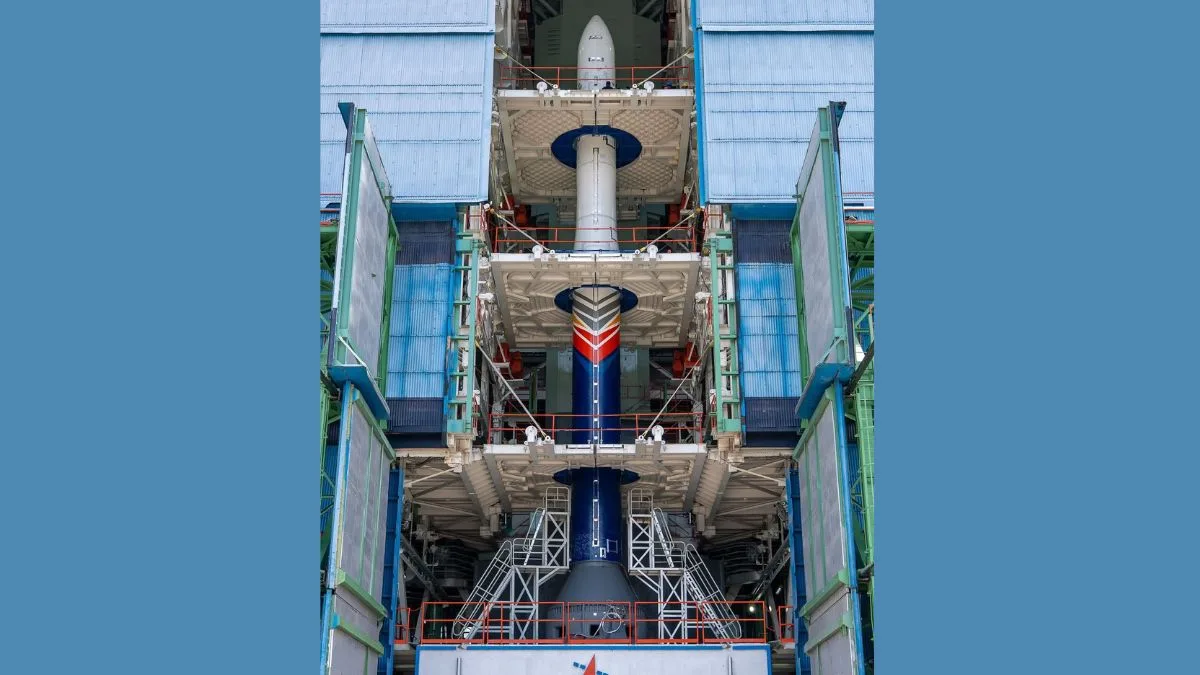
Vikram-1 reaching orbit marks an important transition in India’s space journey.

The latest Republican US budget package is about far more than allocating another $95 billion in federal spending.
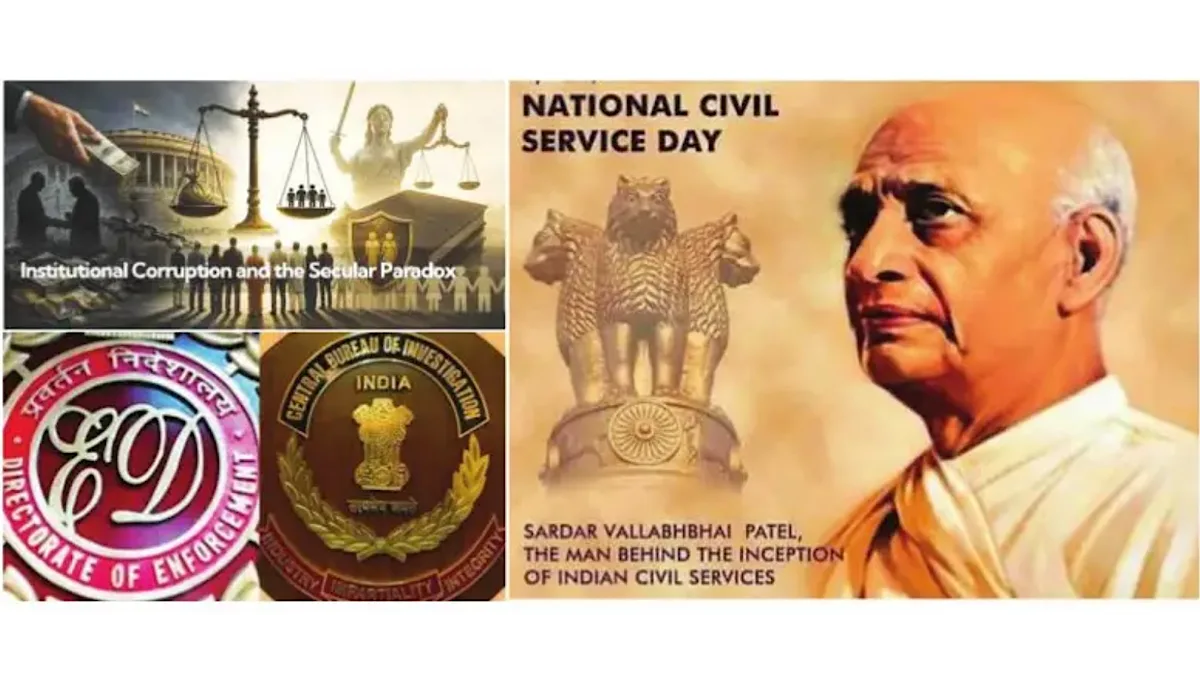
Indian administration has always had a fantastic worldwide reputation. Sardar Vallabhbhai Patel once referred to our civil services as the “steel frame” of the nation.
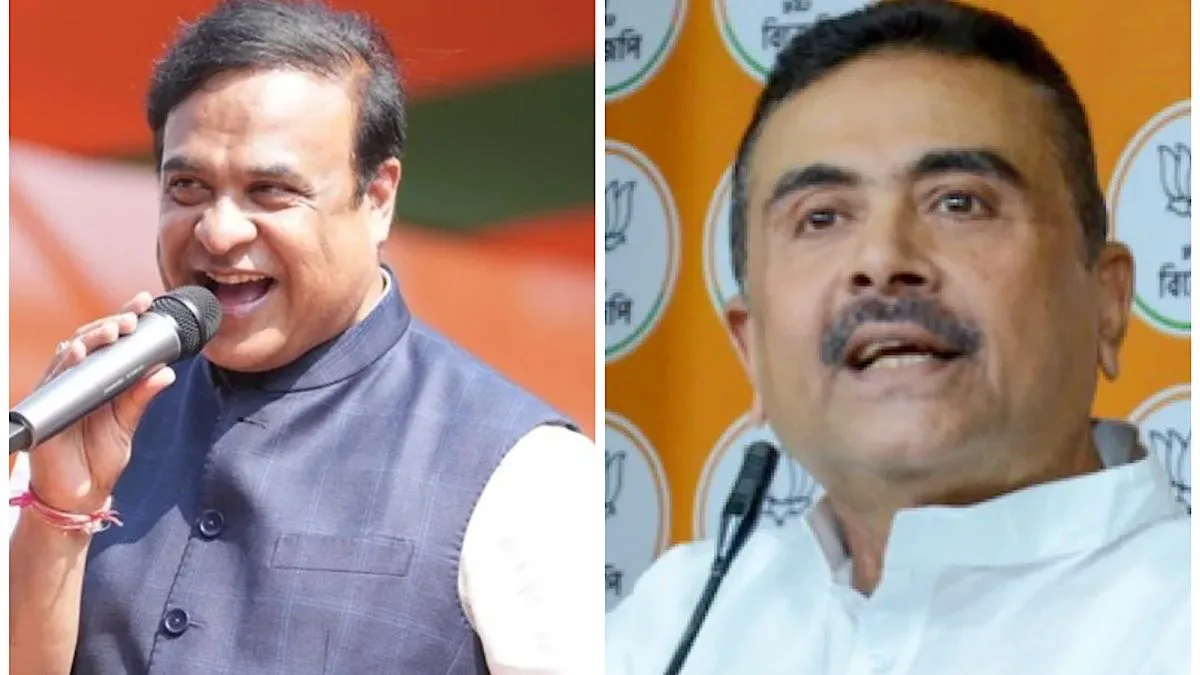
For the first time in more than five decades, eastern India stands at the threshold of political alignment, policy stability, and economic possibility.

The ascent of actor Vijay to the pinnacle of power in Tamil Nadu marks more than a celebrity’s political success ~ it signals a structural shift in how democratic legitimacy is now manufactured and transferred.

Kerala’s 2026 verdict is not simply the defeat of a government. It is the collapse of a political assumption that welfare delivery alone can indefinitely protect incumbents from the public desire for renewal.
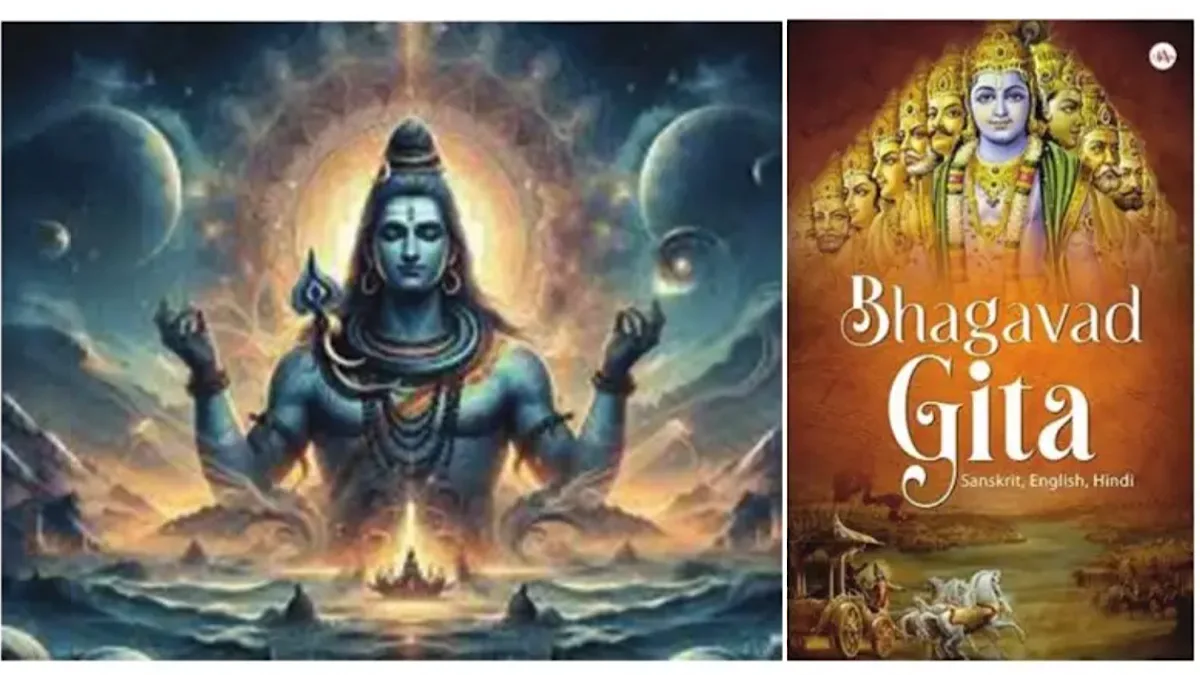
People of all religious faiths admit that God is the Creator and controller of the universe, therefore He is Almighty.

India has barely settled into E20, a petrol blended with 20 per cent ethanol, and the next shift is already on the table.