War and Consent
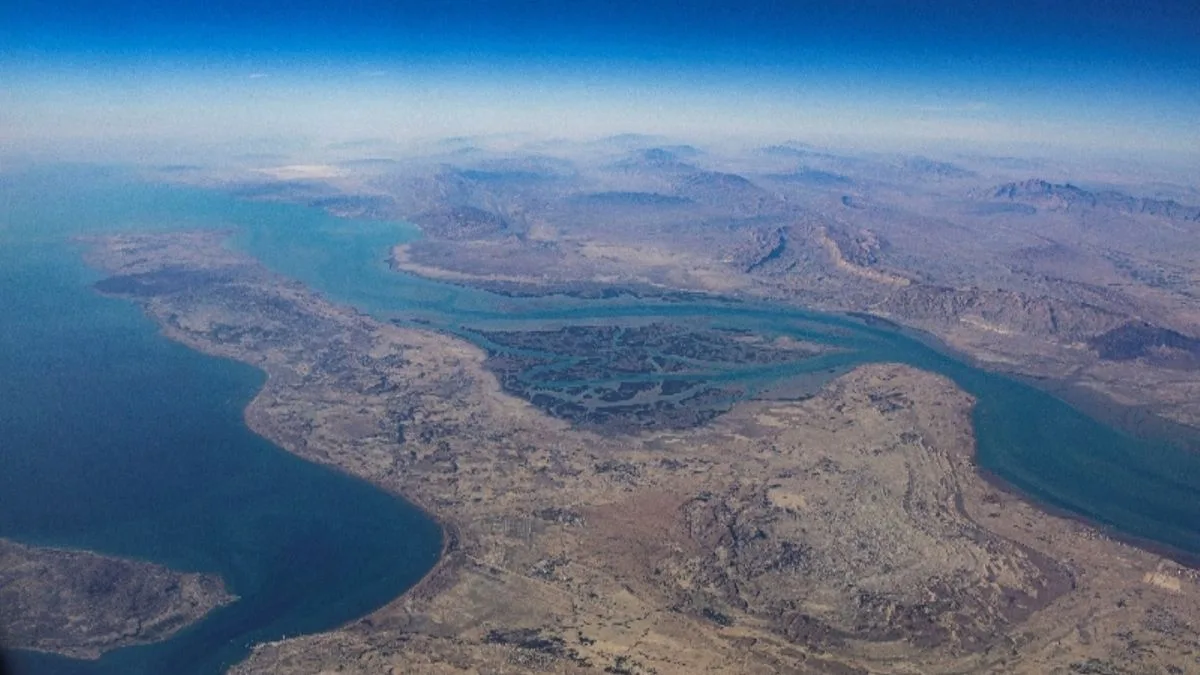
The most enduring consequence of a war is often not what happens on the battlefield, but what it reveals about the institutions that authorise it.

The most enduring consequence of a war is often not what happens on the battlefield, but what it reveals about the institutions that authorise it.

At its zenith, England was known as a nation of shopkeepers, where trade followed the crown; this was however interchangeable ~ the East India Company accumulated an empire, many times the size of the mother country.
India has its own long and bitter experience of this asymmetry, and Jammu and Kashmir is its sharpest instance.

Annual conferences organized by UNFCCC to review climate actions like funding poor nations to cover loss and damage inflicted by global warming and transitioning away to green energy have not resulted in concrete actions.

The horror of a particularly brutal sexual assault in Bihar's Begusarai has once again provoked national outrage and revived memories of the crime that shook Delhi and India in December 2012. Such comparisons are understandable.

In the volatile landscape of West Asia, Israel stands as a beacon of resilience amid perpetual turmoil.

In the tangled web of Argentine politics and economics, one figure has emerged as both a lightning rod for controversy and a beacon of hope ~ President Javier Milei.
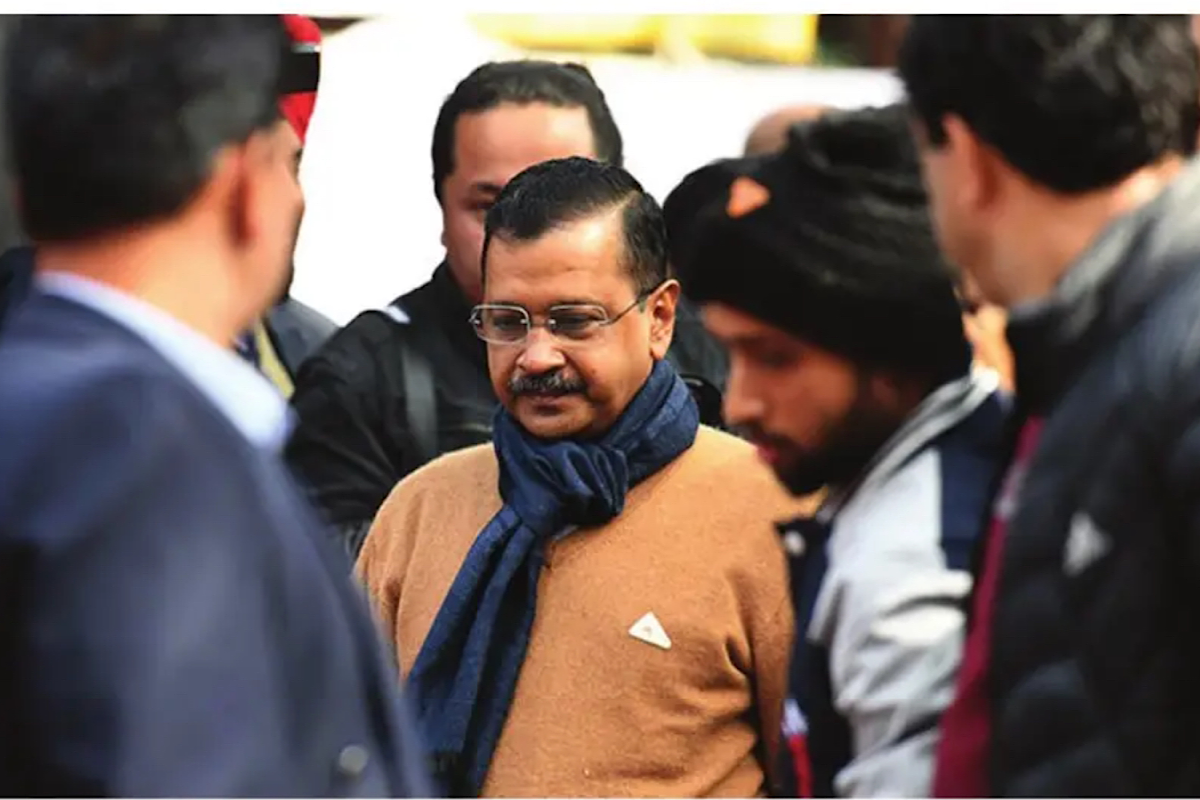
The arrest of Arvind Kejriwal, Chief Minister of the National Capital Territory of Delhi has raised many troubling issues. But what troubles observers the most is whether Kejriwal will continue to be CM if he does not resign on his own, and if he chooses to run his much emasculated government from behind prison bars.
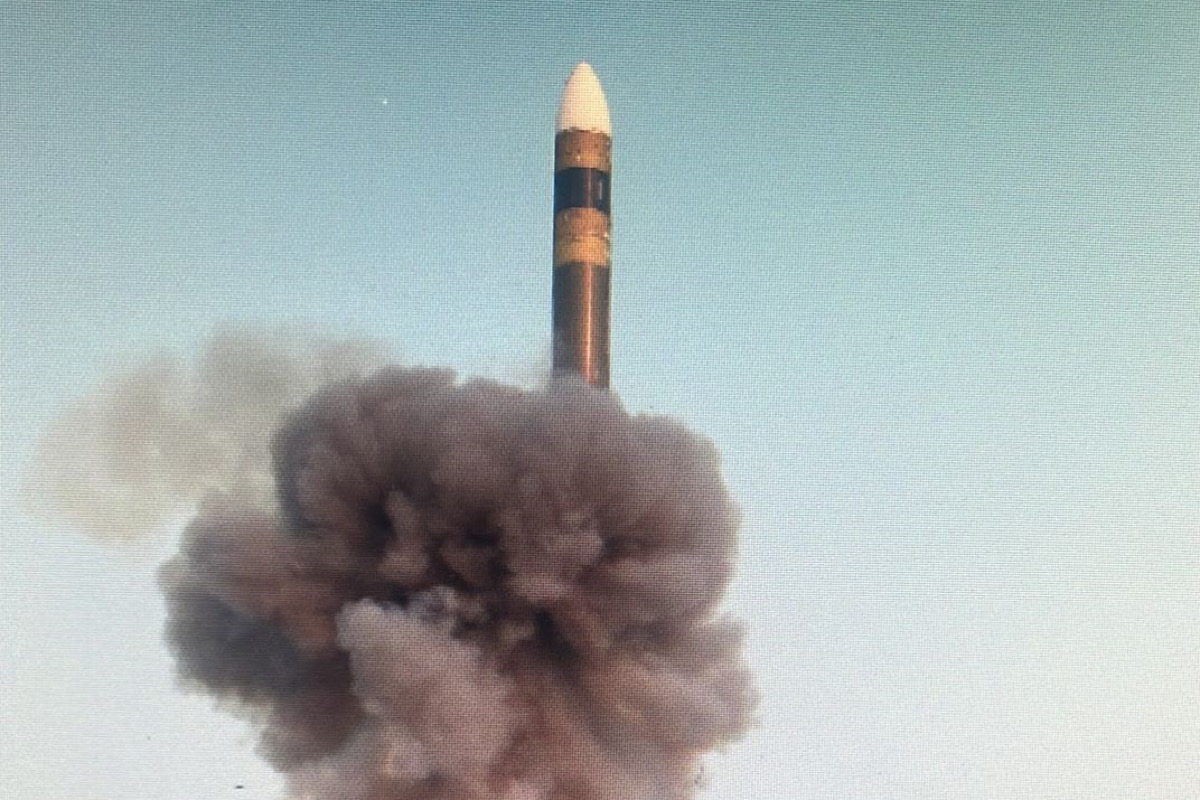
India’s recent test of a missile equipped with multiple independently targetable re-entry vehicles (MIRVs) has sparked both admiration for technological prowess and concern for regional stability.

In the mercurial world of finance, the spectre of a bubble looms ominously over investors, casting shadows of doubt and trepidation.