The Court That Chooses Its Defendants
India has its own long and bitter experience of this asymmetry, and Jammu and Kashmir is its sharpest instance.
India has its own long and bitter experience of this asymmetry, and Jammu and Kashmir is its sharpest instance.

Annual conferences organized by UNFCCC to review climate actions like funding poor nations to cover loss and damage inflicted by global warming and transitioning away to green energy have not resulted in concrete actions.
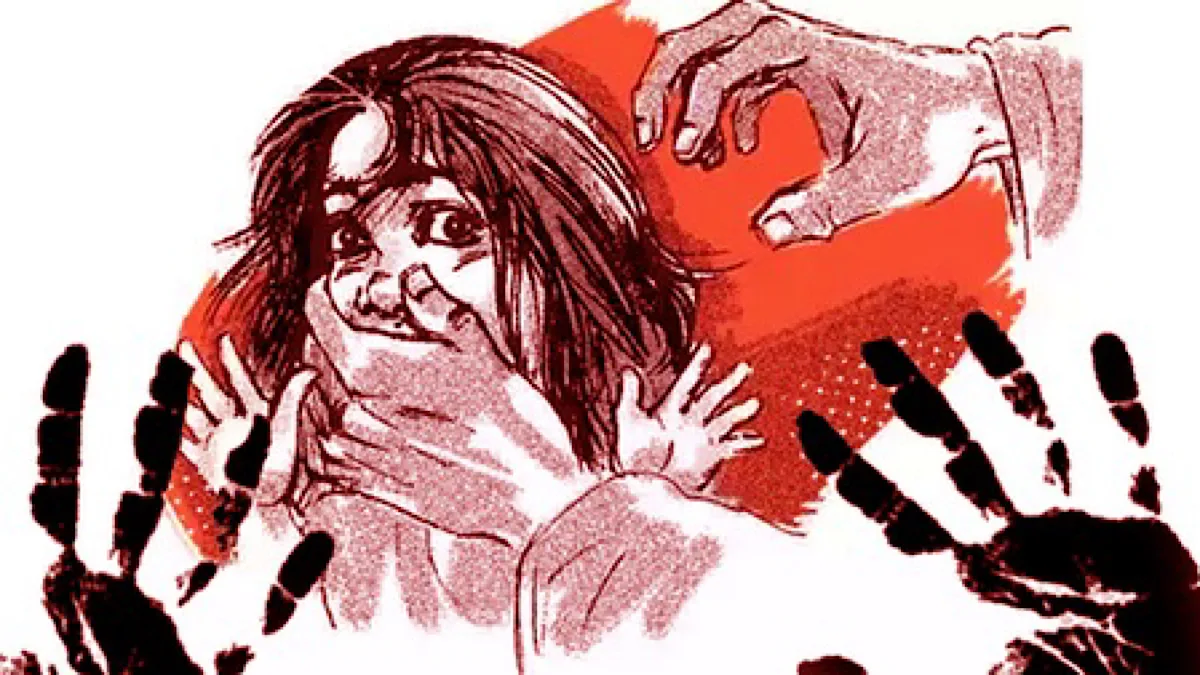
The horror of a particularly brutal sexual assault in Bihar's Begusarai has once again provoked national outrage and revived memories of the crime that shook Delhi and India in December 2012. Such comparisons are understandable.

The resignation of British Prime Minister Keir Starmer less than two years after leading Labour to a commanding parliamentary majority is not just a political fall.
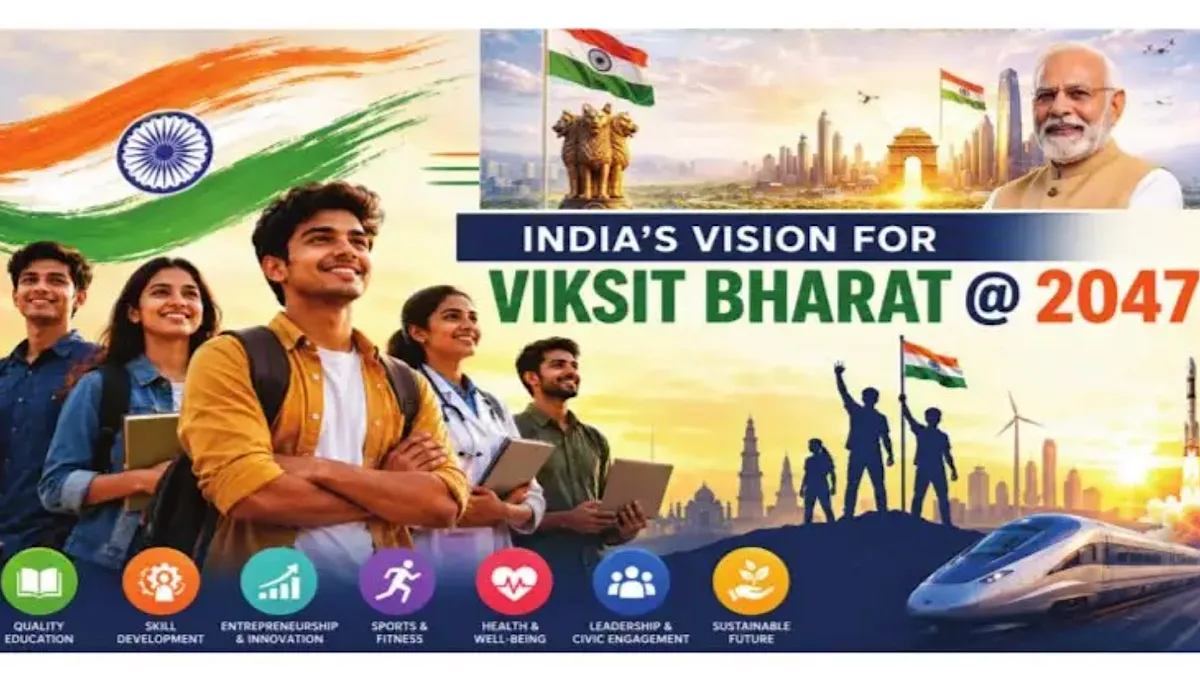
The vision of Viksit Bharat@2047 dreaming to transform India into a developed nation by the centenary of its independence is very often dominated by and confined to economic growth, infrastructure expansion, technological advancement, and global leadership.

In a world increasingly governed by the rapid dissemination of information through digital channels, the recent ordeal surrounding the health of the Princess of Wales, serves as a stark reminder of the perils of silence in the face of speculation.
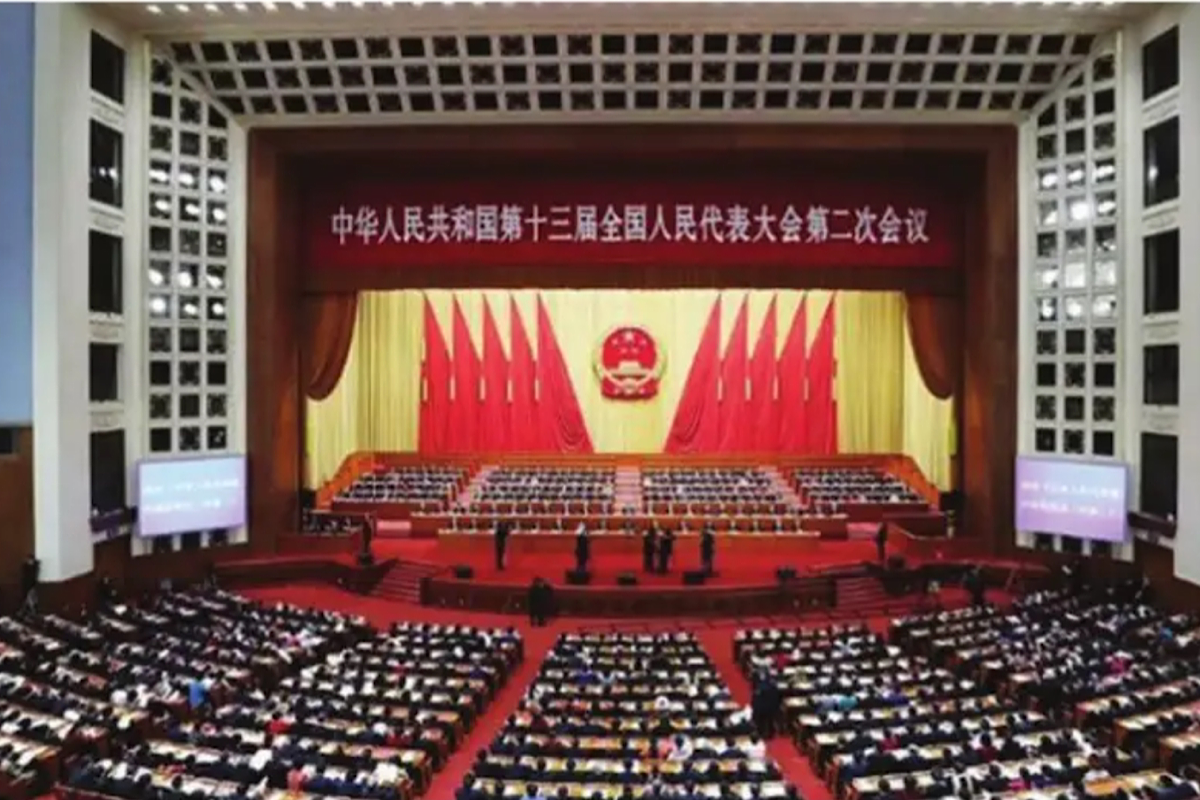
Most East Asian and Southeast Asian countries chose to become economically fit for democracy. India provided a contrasting model.
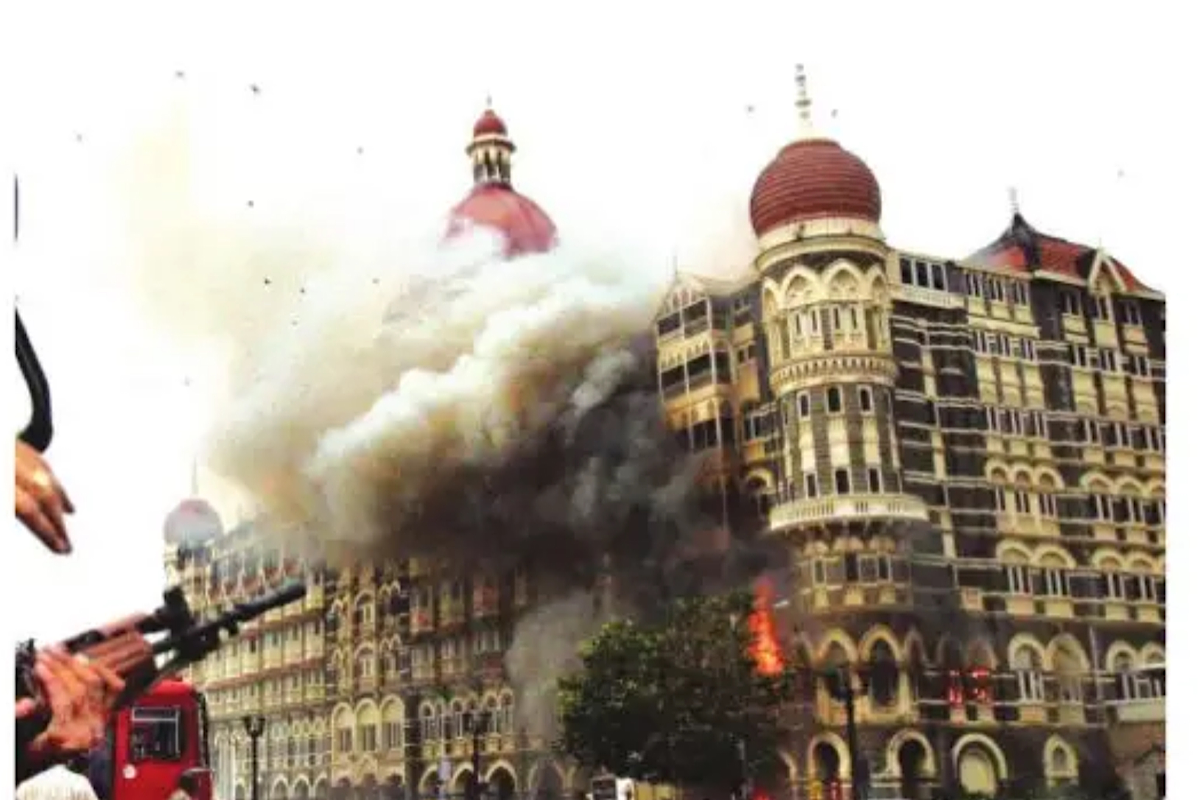
Questions of terrorism, militancy, insurgency and other forms of organized violence that wreak destruction, death and suffering must be understood within the paradigm of “good” and “evil”.
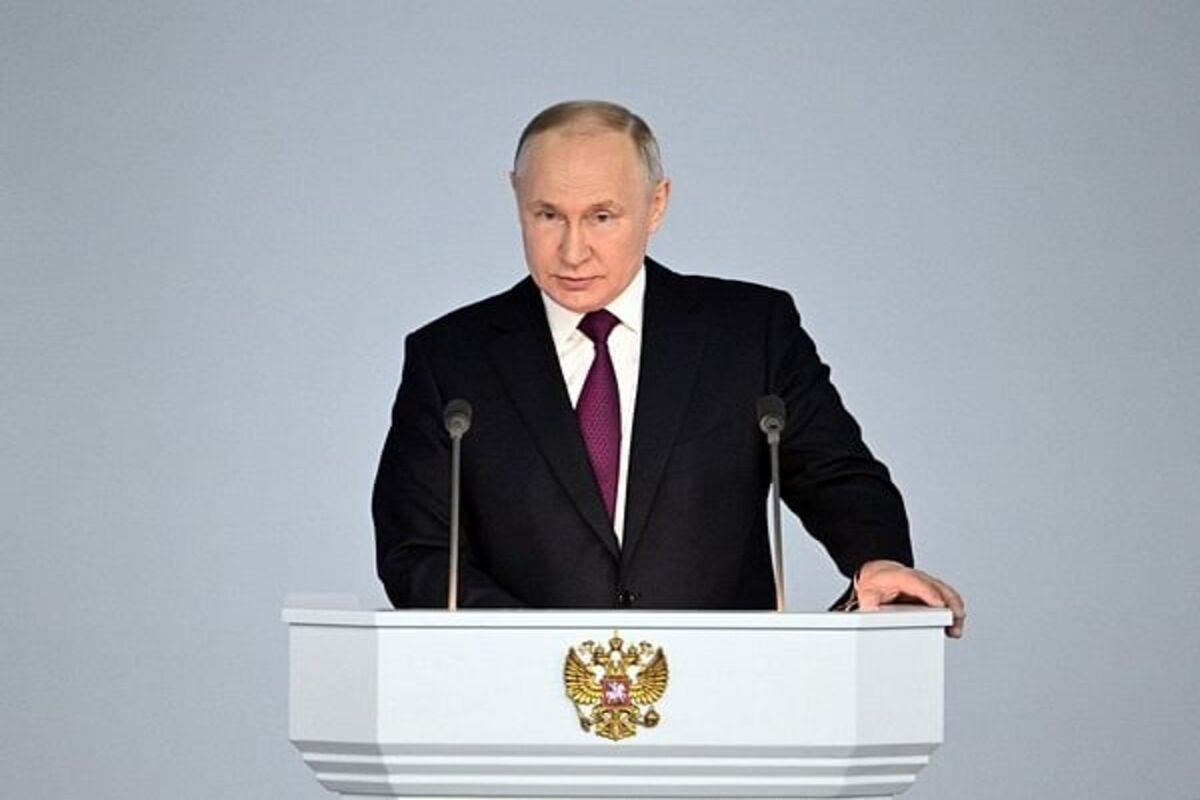
In an era marked by geopolitical turbulence, one nation stands out as a persistent source of global concern ~ Russia, under the iron grip of President Vladimir Putin.
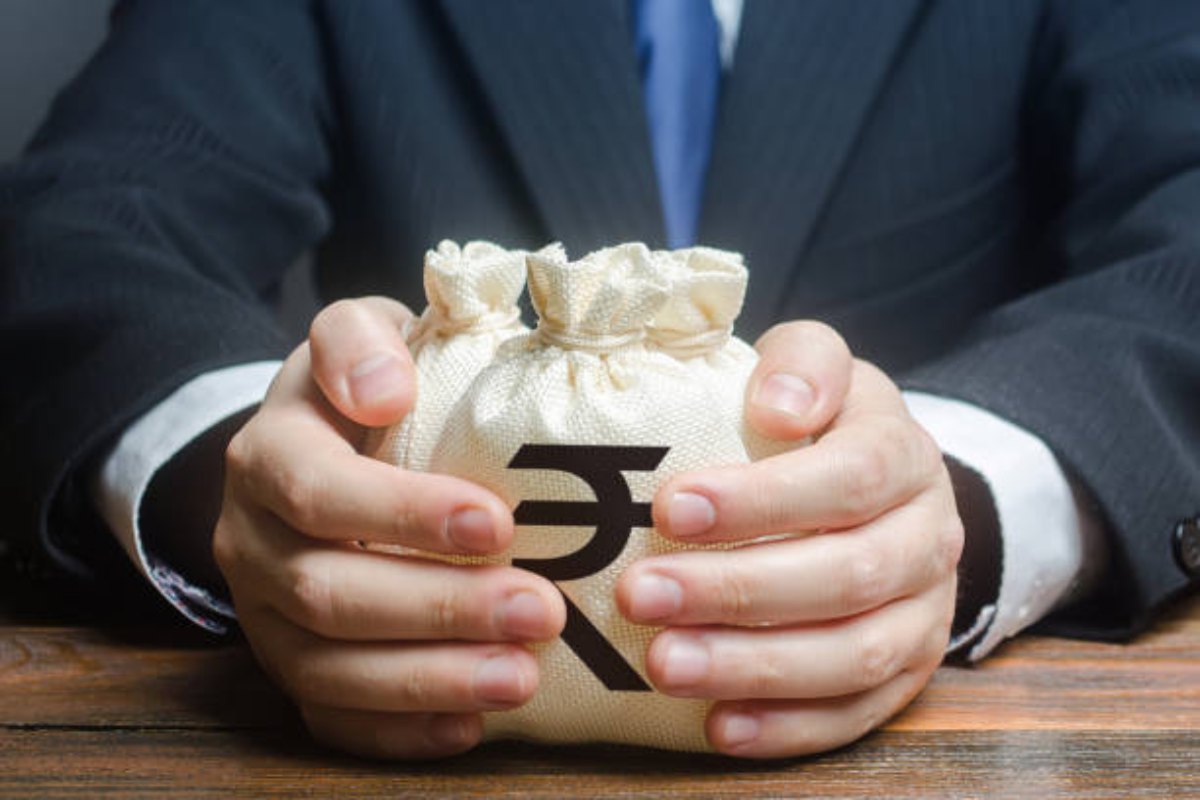
India stands at a crossroads of opportunity and challenge, grappling with the imperative of internal migration to unlock its economic potential.