Let’s tread slowly with biofuel ambitions
India's fuel policy is increasingly being shaped by blending targets. First came ethanol blending mandates.
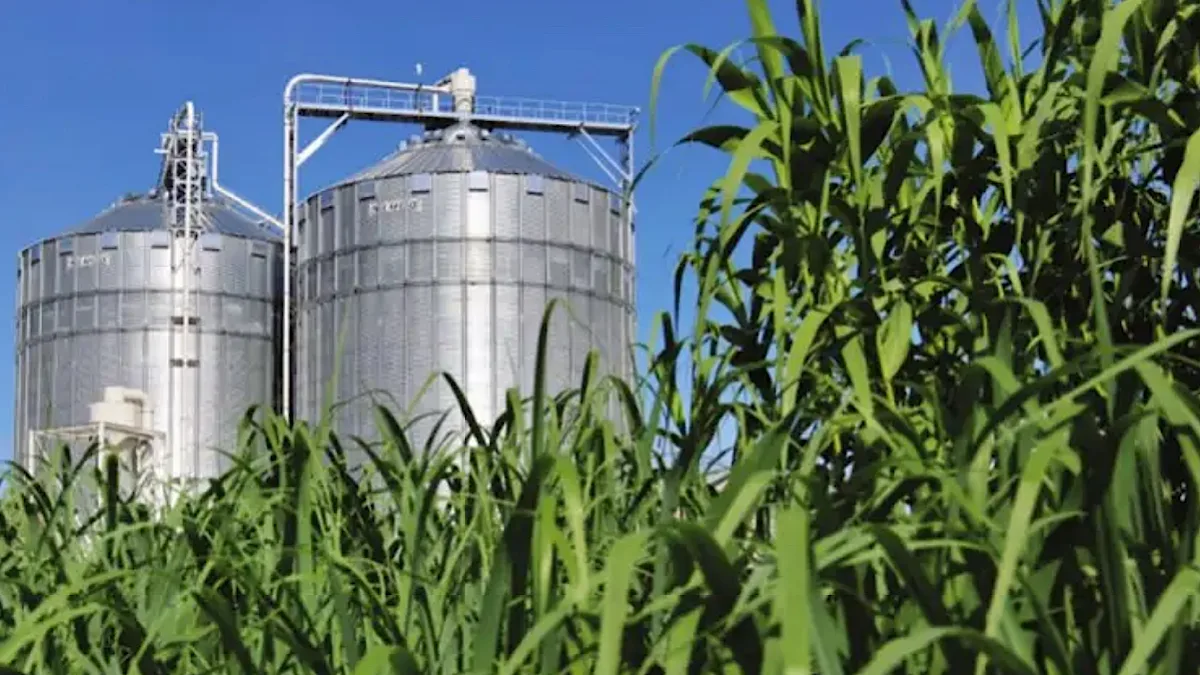
India's fuel policy is increasingly being shaped by blending targets. First came ethanol blending mandates.

West Bengal is not merely a state. It is, in the telling of those who sought to win it back from the Trinamool Congress, a civilisational citadel - the cradle of the Bengal Renaissance, the land of Ramakrishna and Vivekananda, Bankimchandra and Tagore , Shyamaprasad Mookerjee and Netaji Subhas Chandra Bose.

India's temporary restriction on Telegram ahead of the NEET-UG re-examination has dominated headlines.

There is something profoundly ironic about a civilisation becoming embarrassed by one of its oldest mirrors.
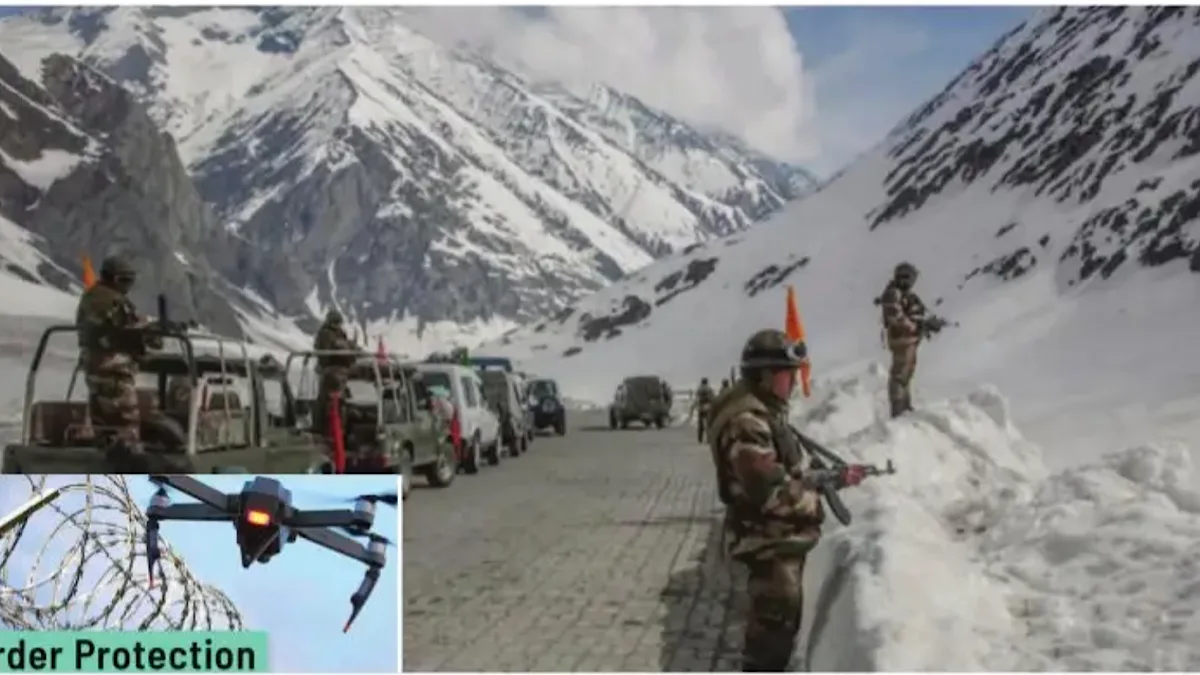
Special emphasis has been laid on the development of infrastructure in the difficult terrains in Arunachal Pradesh, Ladakh, and parts of Uttarakhand bordering China.
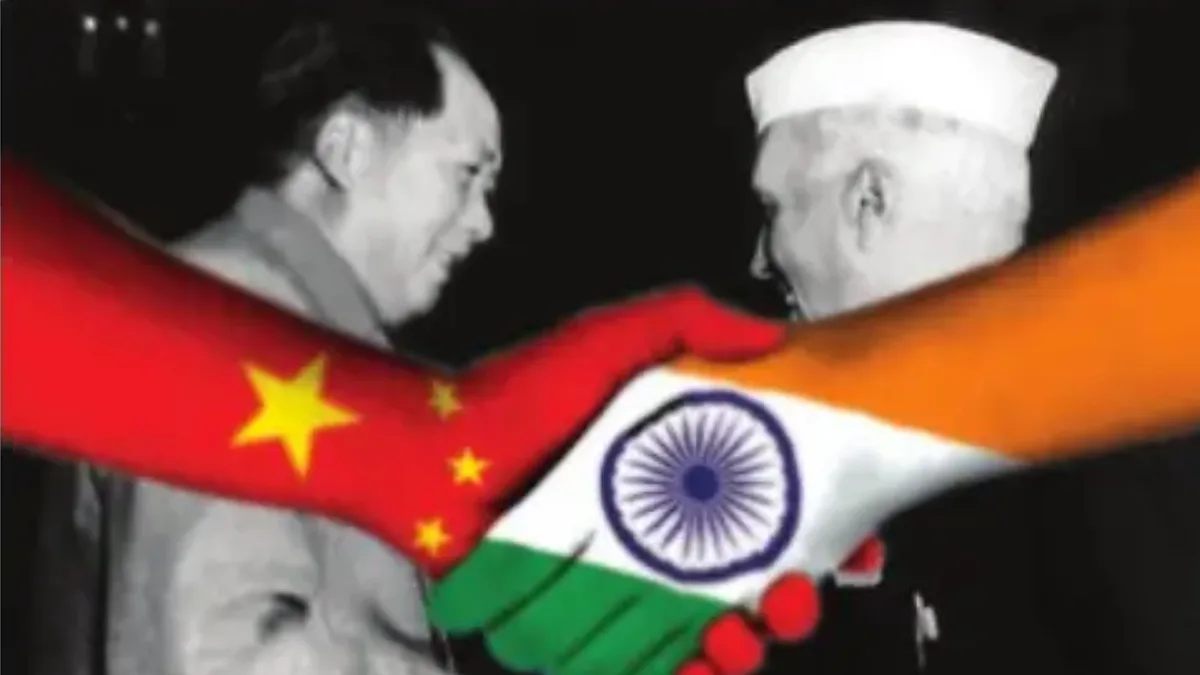
The relationship between India and China, two of the oldest civilizations in the world, has been a saga marked by both shared history and contentious moments.

In a significant rebuke to creeping gubernatorial arrogance, the Supreme Court has finally placed a constitutional mirror before the conduct of some of India’s Governors.

The United States Supreme Court’s ruling allowing the use of the 1798 Alien Enemies Act to deport alleged gang members is a defining moment in how democracies navigate security threats while upholding constitutional principles.

Unquestionably, the first half of the twentieth century, and the century before that, belonged to Britain.

West Bengal is a state uniquely positioned because it offers many advantages critical to the logistics sector.