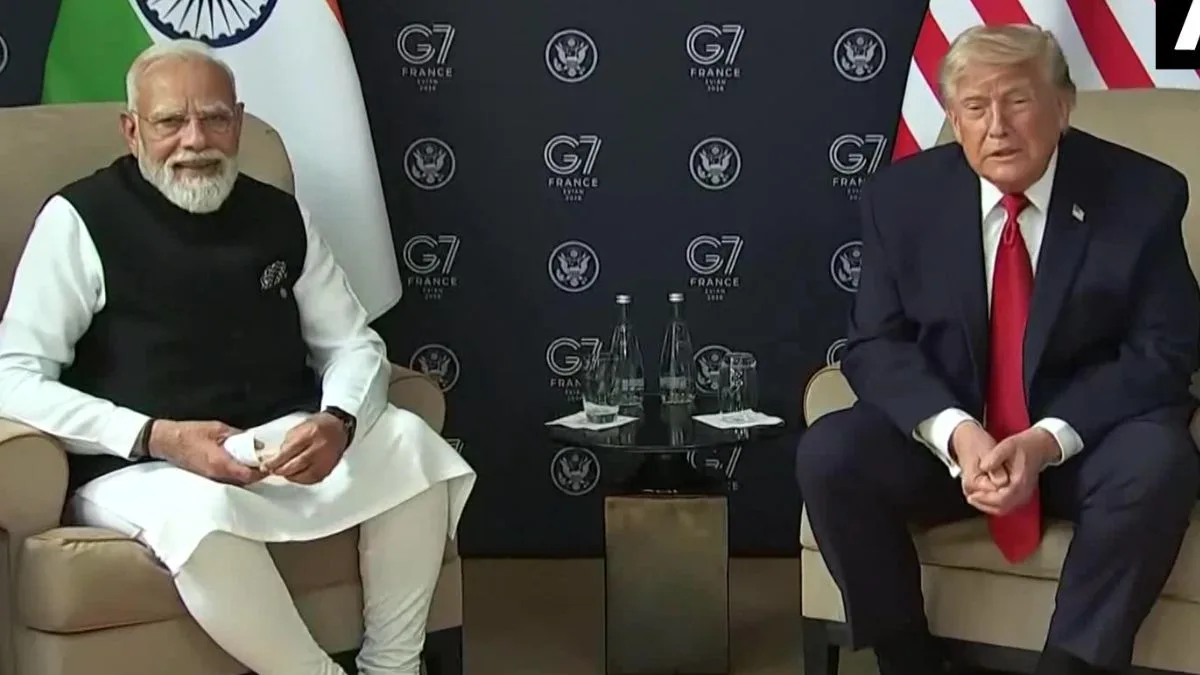
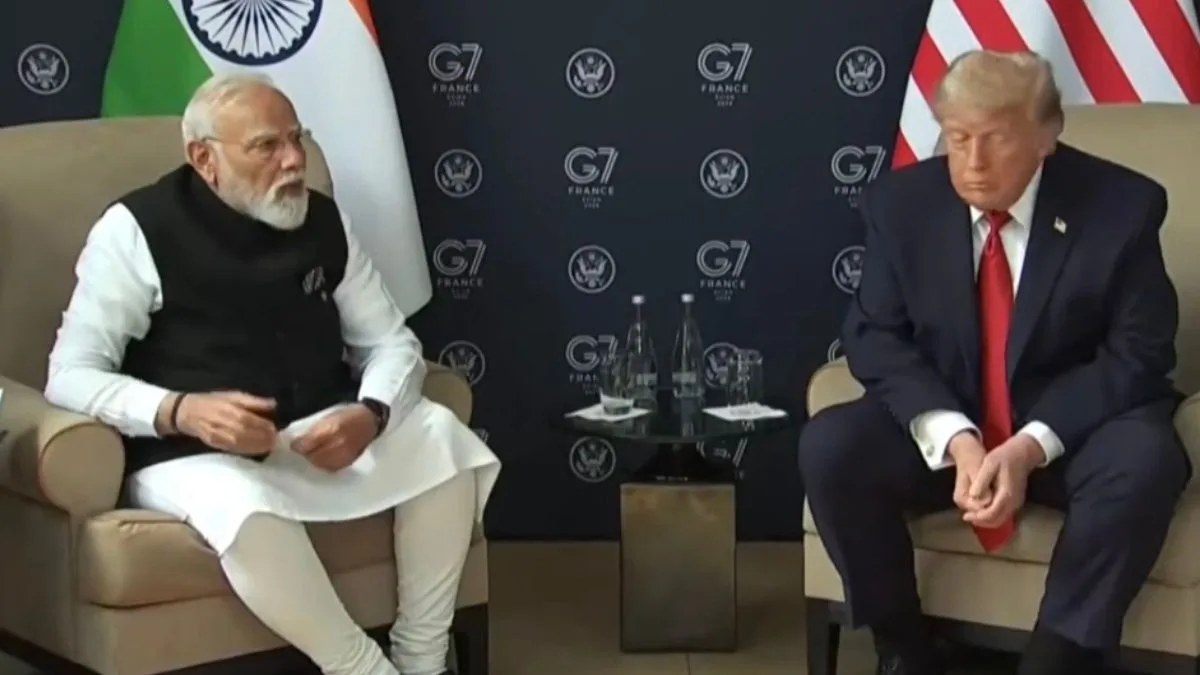
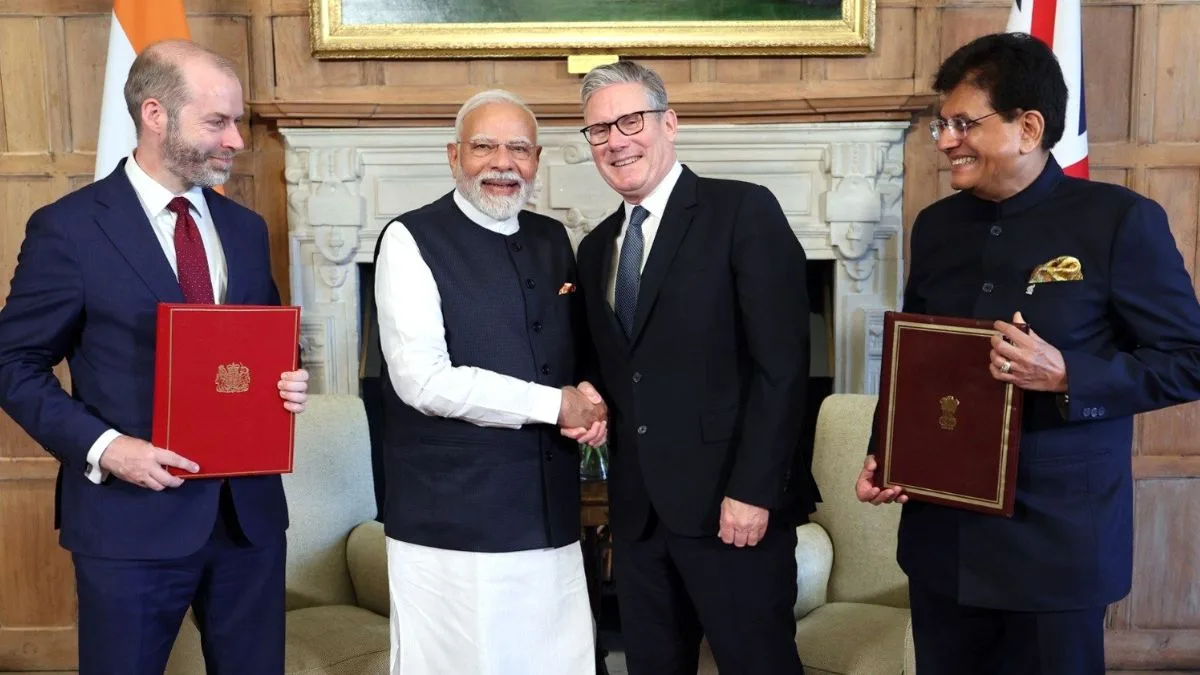
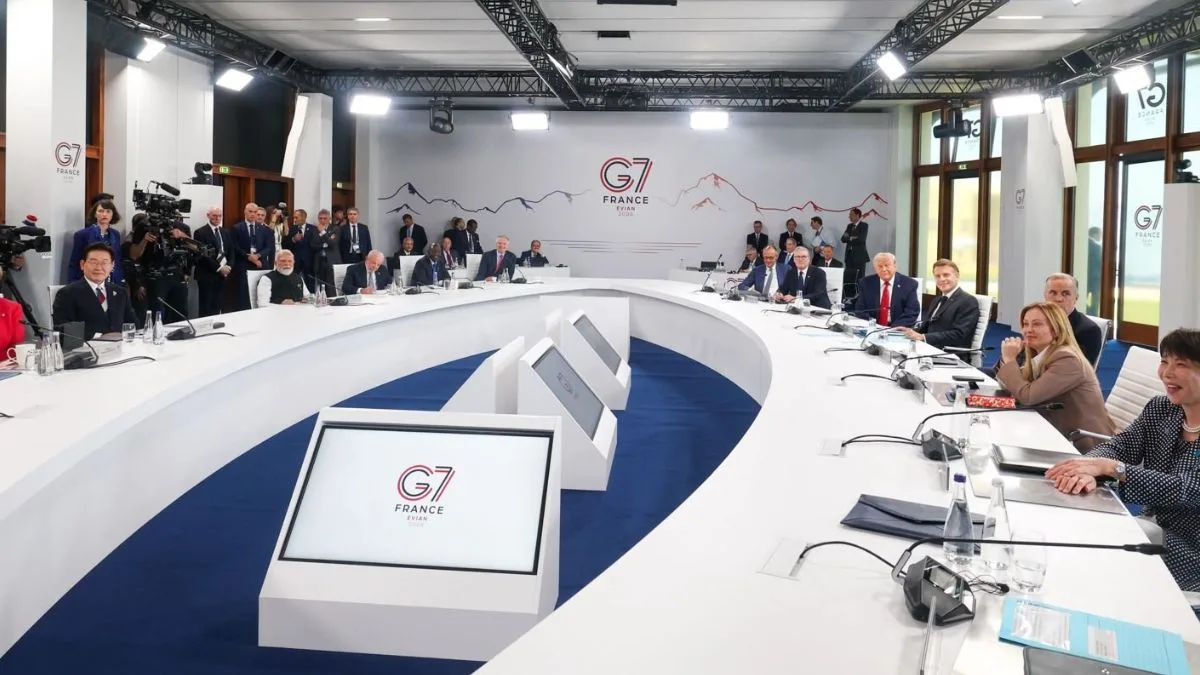
Geopolitics in the age of scrolling
There was a time when geopolitics moved through formal rooms. A state issued a statement. A spokesperson read from a prepared text.
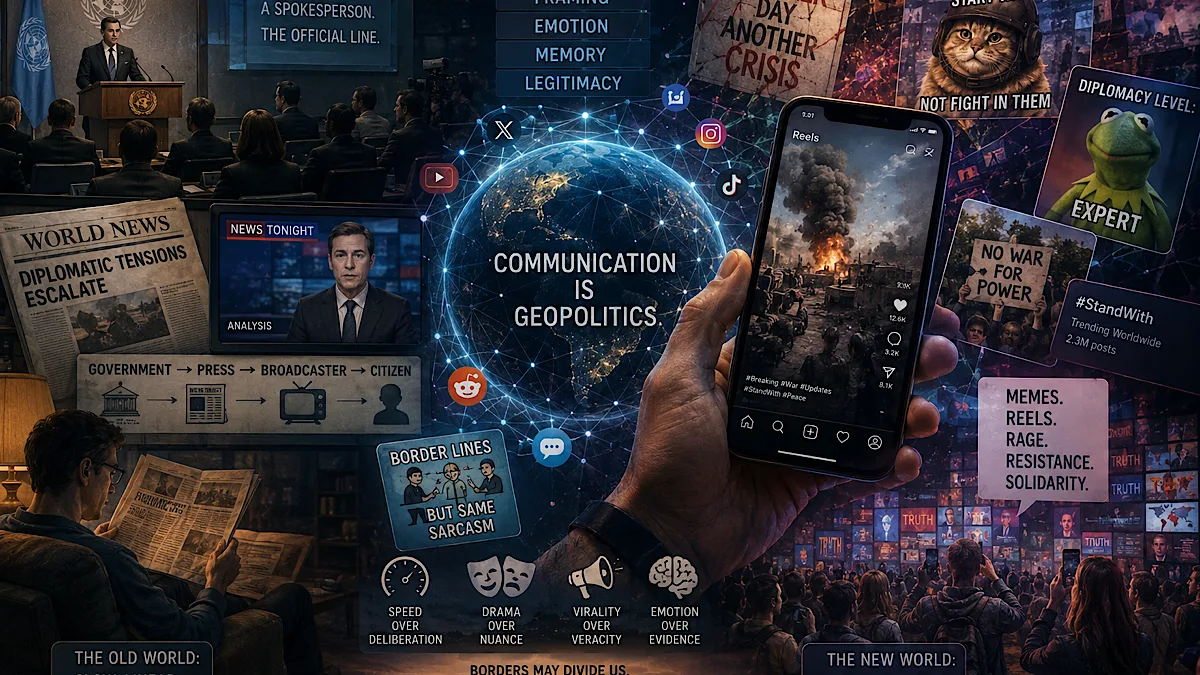
There was a time when geopolitics moved through formal rooms. A state issued a statement. A spokesperson read from a prepared text.
There Are moments in history when a nation’s progress stops being incremental and becomes directional.

The announcement of a framework agreement between the United States and Iran has understandably been greeted with relief.

Modern society has an unhealthy relationship with medical progress. We crave miracles, celebrate breakthroughs and search for definitive cures.
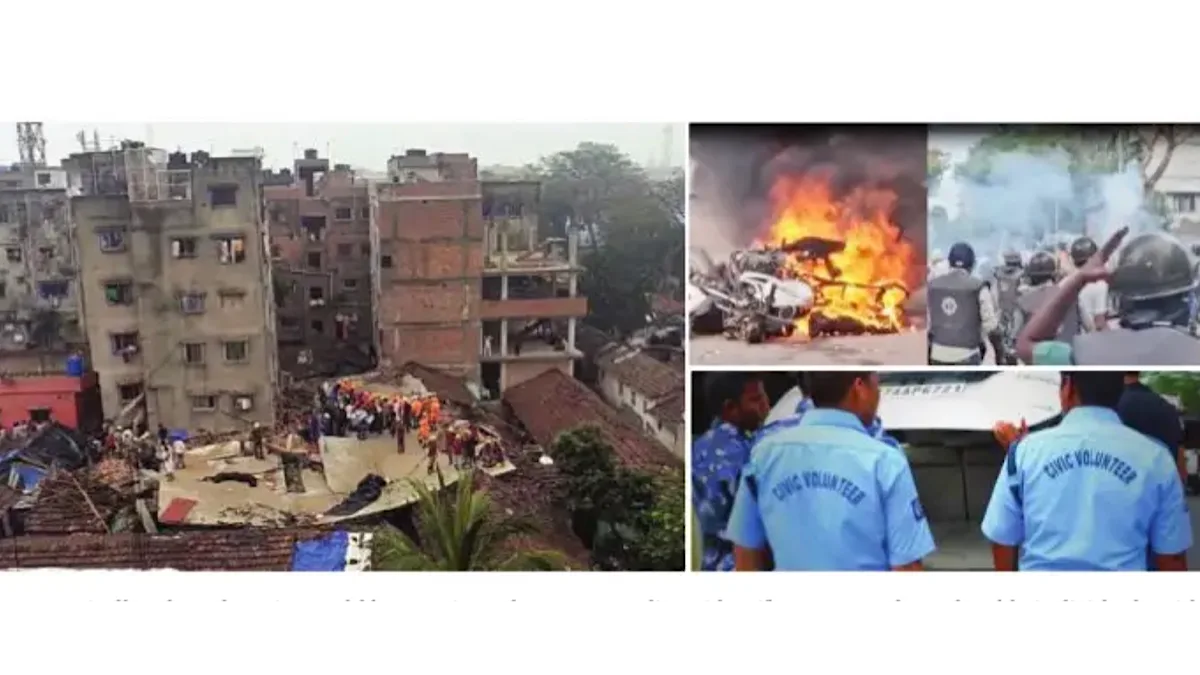
Light follows darkness. After the 15-year long TMC era ~ most certainly a dark period in the socio-economic and political history of Bengal, people are now hoping for rejuvenation of a state that has fallen beyond the depth of anarchy and despair.

As Gaza continues to suffer under a relentless war that has claimed tens of thousands of Palestinian lives, predominantly women and children, and left millions trapped in a humanitarian nightmare and with hope for peace collapsing under rubble, the world once again turns its gaze to New York, where the United Nations (UN) is set to convene a high-level conference from June 17 to 20, 2025, to advance the two-state solution to the Israeli-Palestinian conflict.

Boeing must be made to disclose all relevant data, design documents, past complaints, and test results. Indian authorities must not defer to foreign regulators. We owe that to the victims.

Heatwaves are characterized by hot weather and higher than normal daily temperatures that can last for a few days to months.

In a democracy as vast and complex as India’s, the cre - dibility of electoral processes remains its most vital currency. The recent decision by the Election Commission of India (ECI) to mandate 100 per cent webcasting from all polling stations with internet connectivity signals an important reinforcement of this credibility.

The way people consume news is undergoing a quiet but profound transformation, one that traditional media organisations can no longer ignore.