If the click goes, so will the Web
The modern internet was built on a simple bargain. Websites created content. Search engines sent users to those websites.
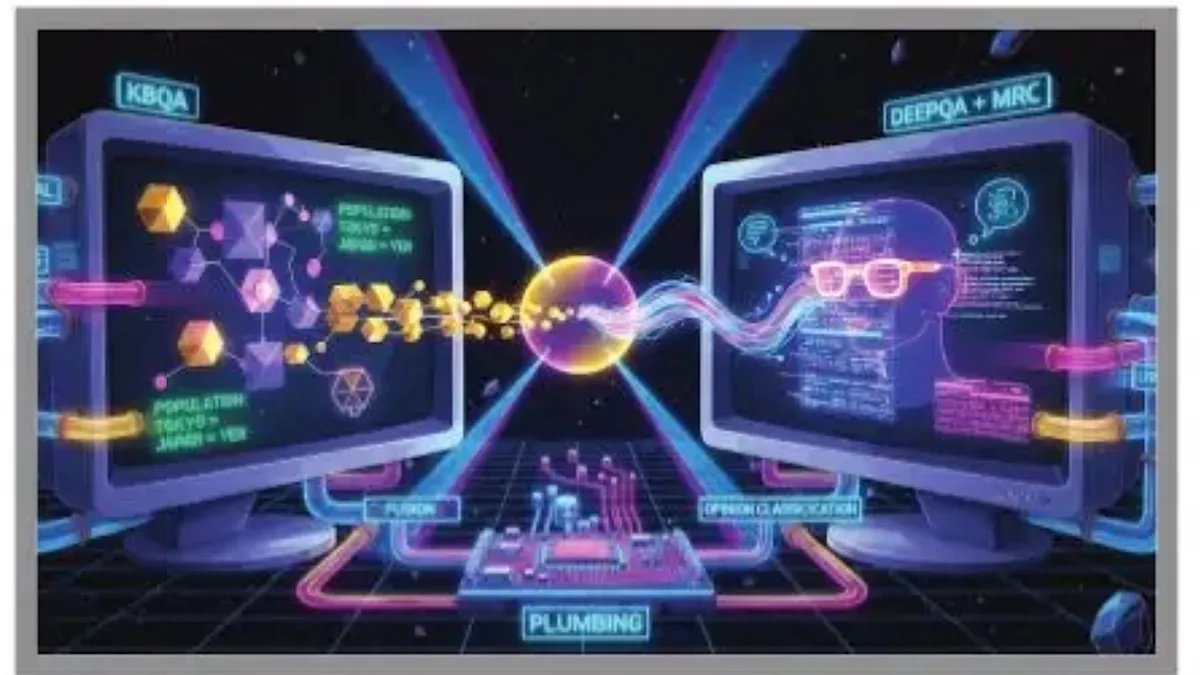
The modern internet was built on a simple bargain. Websites created content. Search engines sent users to those websites.

One year after one of the worst aviation disasters in Indian history, the most unsettling reality is not that the final answer remains elusive. It is that, in the absence of definitive findings, competing certainties have rushed in to fill the void.

It is after more than 100 days that both President Donald Trump and Iran have announced a peace deal, much to the world’s relief.

For much of the past year, economists have been waiting for the American economy to stumble. It has been hit by tariffs, labour disruptions, geopolitical tensions and renewed inflationary pressures.

Xi Jinping at his meeting with Donald Trump on 14-15 May 2026 in Beijing referred to the Thucydides Trap, a metaphor that refers to the inherent tensions and perils when an established power is challenged by a rising power.

With global GDP rising from US$11.74 trillion in 1950 to US$166.65 trillion in 2023, the last seventy-five years were probably the best for the entire human race.

History’s tyrants conquered the world through armies and empires. The French had Napoleon, who marched soldiers wreaking terror and the Germans had Hitler who unleashed the blitzkrieg.

The asylum system in the United Kingdom is once again at the heart of political contestation, and for good reason.

Few crimes have unsettled the public imagination as deeply as the mushroom poisonings that left three people dead and another gravely ill in Australia.
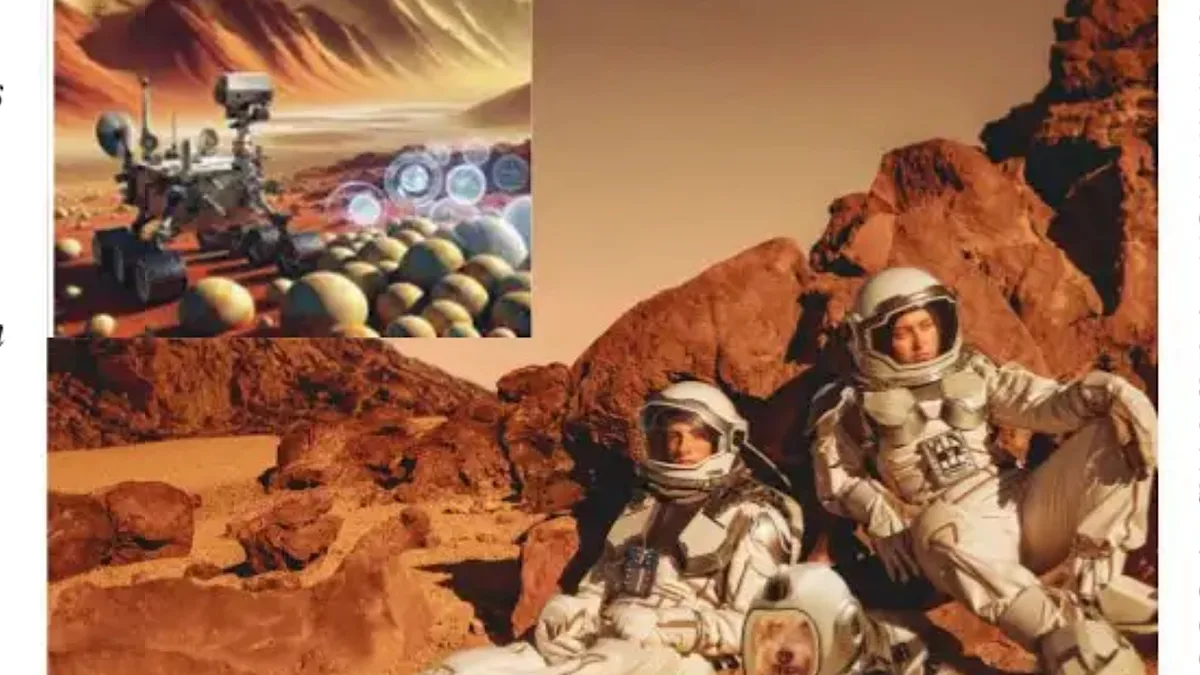
In recent weeks, headlines have captured public imagination with the tantalizing phrase: “Dinosaur eggs found on Mars.” NASA’s Curiosity rover, tirelessly exploring the slopes of Mount Sharp in Gale Crater, recently imaged a set of rounded, clustered rock formations that immediately drew attention.